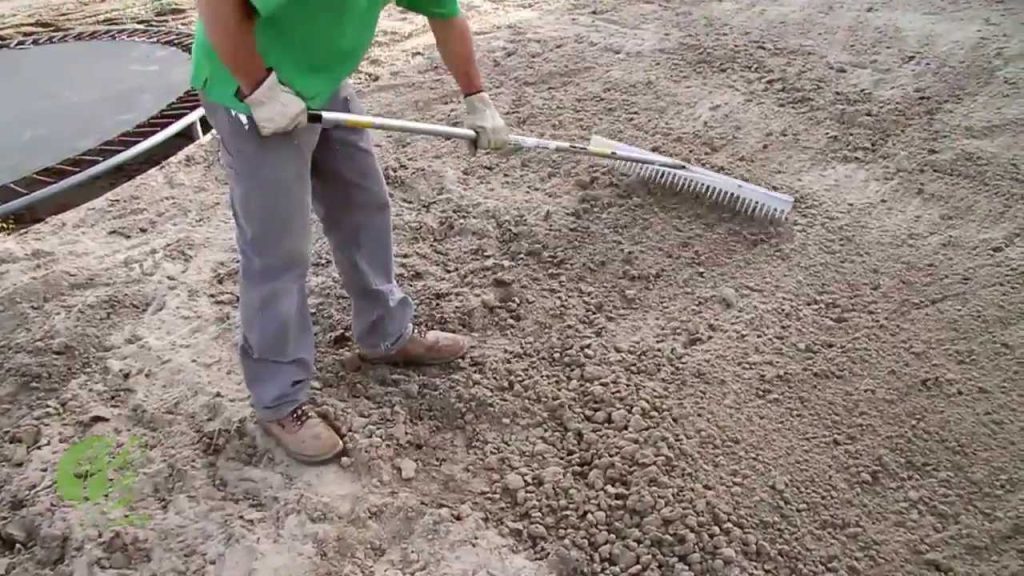
Growing grass from dirt can seem like a daunting task, but with the right approach, it’s quite simple! To start, ensure your soil is well-aerated and free of debris. Seed selection is crucial, so choose a type that suits your climate and sun exposure. After that, spread the seeds evenly, gently rake them into the soil, and keep the area moist without overwatering. Fertilizing can also give your grass a boost. Patience is key as it takes time for grass to establish itself. Now that you have the basic solution, let’s explore the steps in detail to transform that bare dirt into a lush green lawn. From prepping the soil to nurturing those seeds, we’ll cover it all!

“`html
How to Grow Grass from Dirt
Growing grass from dirt can be a rewarding experience. Whether you’re looking to create a beautiful lawn or establish a garden, understanding the process can significantly impact your success. This article will break down everything you need to know, from soil preparation to selecting the right type of grass.
Understanding Your Soil
Before you plant grass, it’s crucial to understand the type of soil you have. Soil quality plays a massive role in grass growth.
– **Types of Soil**: There are three primary types of soil: sandy, clay, and loamy.
– Sandy soil drains quickly but may not retain nutrients.
– Clay soil holds water well but can become compacted.
– Loamy soil is considered ideal because it balances drainage and nutrient retention.
Testing your soil can help determine its pH level and nutrient content. You can buy a home testing kit or send a sample to a lab. This step is essential for understanding how to amend your soil properly.
Preparing the Soil for Grass
Once you know your soil type, it’s time to prepare it for planting. This involves several important steps.
1. **Clearing the Area**: Start by removing any debris, rocks, or old grass. This helps create a clean slate for your new grass.
2. **Tilling the Soil**: Use a garden tiller to loosen up the dirt. This process allows air and nutrients to penetrate the soil better.
3. **Leveling the Surface**: After tilling, use a rake to smooth out the surface. An even surface helps with water drainage.
Amending the Soil
Improving the quality of your soil is vital for effective grass growth. Here are a few common amendments:
– **Compost**: Adds nutrients and improves soil structure. Spread a layer about one inch thick on the surface.
– **Lime**: If your soil is too acidic, lime can help raise the pH level.
– **Fertilizer**: A balanced fertilizer can provide essential nutrients. Look for a formula with nitrogen, phosphorus, and potassium.
When applying amendments, mix them thoroughly into the top few inches of soil. This ensures even distribution and better absorption.
Selecting the Right Grass Seed
Choosing the right type of grass seed is crucial for success. Different grasses thrive in various climates and soil types.
– **Cool-Season Grasses**: These grasses, such as Kentucky bluegrass and fescue, grow best in cooler temperatures.
– **Warm-Season Grasses**: Varieties like Bermuda and zoysia flourish in warmer conditions.
Consider your local climate, sun exposure, and intended grass use when selecting your seed.
Seeding Techniques
Once your soil is prepared and your seed is chosen, it’s time to plant. There are several methods for seeding grass.
– **Broadcast Seeding**: This method involves scattering the seeds evenly across the soil. It’s simple and effective for small areas.
– **Drill Seeding**: A more precise method that uses a machine to plant seeds at the correct depth. This works well for large areas.
Regardless of the method you choose, ensure the seeds are adequately covered. Lightly rake the soil, and then roll it to press the seeds into the dirt.
Watering Your Grass
After seeding, the next step is watering. Proper hydration is essential for germination.
– **Initial Watering**: Water the area gently to avoid washing away the seeds. A fine mist is ideal.
– **Ongoing Watering**: Keep the soil consistently moist but not soggy. Grass typically needs about one inch of water per week.
As the grass starts to grow, you can gradually reduce the frequency of watering. Pay attention to the weather; if it rains heavily, adjust your schedule accordingly.
The Importance of Sunlight
Grass needs sunlight to thrive. Most grass varieties require at least four to six hours of direct sunlight each day.
– **Assessing Sunlight Exposure**: Observe your yard during the day to see which areas receive the most sunlight.
– **Adjusting for Shade**: If certain areas are too shady, consider trimming nearby trees or using shade-tolerant grass varieties.
Ensuring your grass receives enough sunlight is vital for healthy growth.
Maintaining Your Grass
Once your grass has established itself, regular maintenance is crucial to keep it healthy.
Mowing
Mowing helps your grass grow thicker and healthier. Aim to cut no more than one-third of the grass height at a time.
– **Frequency**: During the growing season, mow your grass every one to two weeks.
– **Height**: Keep your grass at the recommended height for the specific variety.
Fertilization
Regular fertilization can nourish your grass and promote vibrant growth.
– **Timing**: Apply fertilizer in early spring and again in late summer for the best results.
– **Type**: Choose a slow-release fertilizer to provide nutrients over an extended period.
Pest and Weed Control
Keeping pests and weeds at bay is essential for a healthy lawn.
– **Weeds**: Hand-pull or use a hoe for small areas. For larger infestations, consider a selective herbicide.
– **Pests**: Monitor your lawn for signs of pests. Insecticidal soap can help manage common problems.
Common Grass Problems and Solutions
Sometimes, despite your best efforts, grass may encounter issues. Here are some common problems and ways to resolve them.
Brown Patches
Brown patches are often caused by overly dry conditions, disease, or pest infestations.
– **Solution**: Regularly water your grass and keep it well-fertilized. If disease or pests are suspected, use appropriate treatments.
Thin or Sparse Areas
If certain areas of your lawn look thin, it may be due to poor soil or excessive shade.
– **Solution**: Aerate the soil in these areas and reseed to encourage new growth.
Uneven Growth
Uneven grass growth can occur due to poor watering practices or soil compaction.
– **Solution**: Regularly check for dry spots and adjust your watering schedule. Aerate compacted areas to improve airflow.
Seasonal Care for Your Lawn
Different seasons require different care techniques for your grass.
Spring Care
In the spring, focus on fertilization, mowing, and overseeding.
– Start fertilizing as the grass begins to green up.
– Mow regularly to encourage healthy growth.
Summer Care
During summer, ensure your grass receives enough water, and adjust your mowing height.
– Water consistently, especially during dry spells.
– Raise the mower blades to prevent stress on the grass.
Fall Care
Fall is an excellent time for overseeding and preparing your lawn for winter.
– Apply a final round of fertilizer to strengthen the grass.
– Aerate the lawn and overseed to fill in any thin areas.
Winter Care
In winter, limit traffic on your lawn to prevent damage.
– Avoid walking on frozen grass to reduce stress.
– Consider putting down a winter fertilizer to prepare for spring growth.
Growing grass from dirt is a process filled with steps that can lead to beautiful results. With proper preparation, the right seed selection, and diligent care, you can create a lush, green lawn that enhances your outdoor space. Remember to monitor conditions regularly and make adjustments as necessary. Happy gardening!
“`
How to Grow a Lawn From Scratch (DIY Guide + Lessons Learned)
Frequently Asked Questions
“`html
What preparation is needed before planting grass seeds?
Before planting grass seeds, prepare the soil by clearing away any debris, rocks, or weeds. Loosen the topsoil to a depth of about 3 to 4 inches using a rake or a tiller. This helps improve aeration and drainage. You can also test the soil’s pH and add necessary amendments like lime or sulfur to achieve an optimal pH level for grass growth.
When is the best time to plant grass seeds?
The best time to plant grass seeds generally depends on your location and grass type. Cool-season grasses thrive when planted in early spring or fall, while warm-season grasses flourish when sown in late spring or early summer. Planting during these recommended periods gives the seeds the best chance to germinate and grow.
How much water do grass seeds need to germinate?
Grass seeds require consistent moisture for successful germination. Water the area lightly once or twice daily, ensuring the top inch of soil stays moist but not soggy. After the seeds germinate and the grass begins to grow, reduce the frequency of watering but increase the depth to encourage deeper root growth.
What should I do if my grass does not grow after seeding?
If your grass does not grow after seeding, check a few factors: ensure that you provided adequate water, proper sunlight, and the right soil conditions. You may also want to verify that you used fresh seeds appropriate for your climate. If necessary, reseed the area and adjust your care routine as needed.
How do I care for newly grown grass?
Caring for newly grown grass involves regular mowing once it reaches about 3 to 4 inches in height. Avoid cutting more than one-third of the grass blade length at a time. Water consistently, especially during dry spells, and apply a balanced fertilizer about 4 to 6 weeks after germination to promote healthy growth.
“`
Final Thoughts
To successfully grow grass from dirt, start with quality soil preparation. Remove weeds and debris, then aerate the soil to improve drainage and promote root growth.
Next, choose the right grass seed for your climate and spread it evenly over the prepared area. Water the seeds regularly and keep the soil moist until the grass establishes.
Finally, maintain your new lawn with proper mowing and fertilization. With these steps, you can confidently learn how to grow grass from dirt and enjoy a lush green lawn.