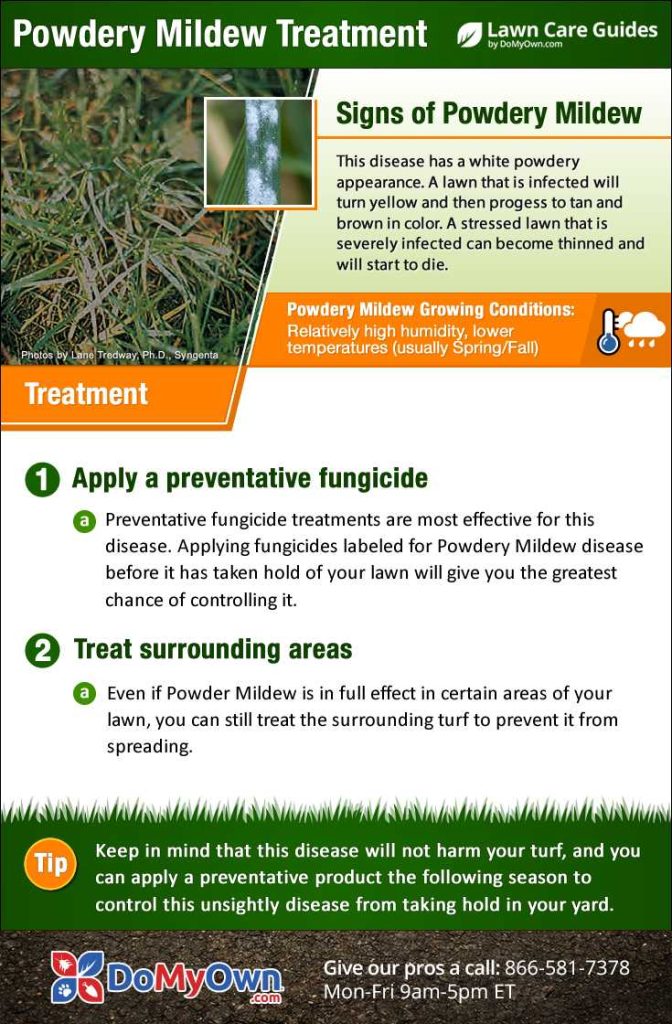
If you’re struggling with powdery mildew on your lawn, the good news is that there are effective ways to tackle this pesky problem. Start by ensuring your grass receives adequate air circulation and sunlight, as this can help reduce humidity levels that favor mildew growth. Applying a homemade solution of water and baking soda can also work wonders in controlling the spread. Regularly mowing your lawn and watering in the early morning can further prevent the conditions that lead to powdery mildew. In this article, we’ll dive into more detailed strategies and tips to reclaim a healthy, mildew-free lawn, so you can enjoy a lush green space once again. Let’s get started!

How To Get Rid Of Powdery Mildew On Lawn
Powdery mildew is a common lawn disease that can affect the health and appearance of your grass. This white, powdery fungus thrives in warm, dry conditions and can spread rapidly if not controlled. Understanding how to identify and treat powdery mildew is essential for maintaining a lush and beautiful lawn.
Identifying Powdery Mildew
Recognizing the signs of powdery mildew is the first step in tackling this problem. Common symptoms include:
- White or grayish spots on leaf blades
- Leaves that appear distorted or stunted
- Increased leaf drop, especially in severe cases
If you notice these signs, take immediate action. Powdery mildew can weaken your grass and make it more susceptible to other diseases.
Understanding the Causes
To effectively get rid of powdery mildew, it helps to know what causes it. Here are some key factors:
- **Humidity:** High humidity levels create an ideal environment for mildew to thrive.
- **Poor Airflow:** Lawns that are crowded or shaded can trap moisture, encouraging growth.
- **Over-fertilizing:** Too much nitrogen can lead to lush growth that is prone to disease.
- **Wet Leaves:** Watering during the evening can leave grass wet overnight, promoting mildew.
By addressing these factors, you can reduce the likelihood of powdery mildew appearing in your lawn.
Preventative Measures
Preventing powdery mildew before it starts is always better than trying to treat it. Implementing the following measures can make a significant difference:
- **Choose Resistant Grass Varieties:** Some grass types are more resistant to mildew.
- **Increase Airflow:** Trim back overgrown shrubs and trees to allow sunlight and airflow.
- **Water Wisely:** Water early in the day to allow the grass to dry before evening.
- **Avoid Excessive Nitrogen:** Use a balanced fertilizer to avoid promoting overly lush growth.
Taking these proactive steps can help keep your lawn healthy and free from powdery mildew.
Treatment Options
If powdery mildew has already invaded your lawn, several treatment options can help:
1. Chemical Fungicides
Chemical fungicides can be effective in controlling powdery mildew. Look for products specifically labeled for use on lawns. Follow the instructions carefully for the best results.
2. Homemade Treatments
You can also create your own natural remedies to fight powdery mildew. Here are a couple of popular options:
- **Baking Soda Solution:** Mix one tablespoon of baking soda with one gallon of water. Spray it on the affected areas.
- **Milk Spray:** Mix one part milk to two parts water and apply to the infected grass. This can help boost your grass’s defenses.
These treatments are environmentally friendly and can often yield good results when applied consistently.
Maintaining Lawn Health
Keeping your lawn healthy is key to preventing mildew. Here are some tips to help maintain your grass:
- **Regular Mowing:** Keep your lawn mowed and at the recommended height for your specific grass type.
- **Aerate:** Aerating your lawn can relieve compaction and improve air circulation.
- **Fertilize Appropriately:** Apply fertilizer at the right times of the year to promote healthy growth.
- **Reseed as Needed:** Fill in bare spots to prevent mildew from taking hold in weakened areas.
A healthy lawn is less susceptible to pests and diseases.
When to Seek Professional Help
If your efforts to control powdery mildew are not working, it may be time to consult a professional. Signs that you need expert assistance include:
- **Widespread Infestation:** If mildew covers large areas of your lawn.
- **Damage to Grass:** If your grass is showing significant signs of stress or death.
- **Persistent Problems:** If the mildew keeps returning despite treatment.
A lawn care expert can provide a tailored approach based on your specific needs.
By understanding how to identify powdery mildew and taking proactive measures, you can keep your lawn healthy and attractive. Regular maintenance, wise watering practices, and the right treatments can help you prevent and manage this common lawn issue effectively. Don’t let powdery mildew take over your lawn; stay vigilant and take action!
❌Tips on how to fix powdery mildew🌿
Frequently Asked Questions
“`html
What are the signs of powdery mildew on grass?
Powdery mildew appears as white, powdery spots on the blades of grass. It can cover areas of your lawn, especially in shaded, humid conditions. You may also notice stunted growth or yellowing grass as the disease progresses.
What causes powdery mildew on lawns?
Powdery mildew thrives in warm, dry conditions with high humidity. Poor air circulation, overwatering, and excessive shade can contribute to its development. Lawns that lack proper sunlight are particularly susceptible.
How can I prevent powdery mildew from returning?
To prevent powdery mildew, maintain a healthy lawn by ensuring proper watering practices and adequate sunlight. Aerate the soil to improve air circulation and promote a thicker grass growth to reduce vulnerability to diseases.
Is there a specific time of year when powdery mildew is more common?
Powdery mildew is more likely to occur during warm, humid months, particularly in late spring to early summer. This is when environmental conditions favor the disease’s growth, especially in shaded areas of the lawn.
Can I use home remedies to treat powdery mildew on my lawn?
Yes, several home remedies can help manage powdery mildew. A mixture of water and baking soda (1 tablespoon of baking soda to 1 gallon of water) can be sprayed on affected areas. Additionally, mixing milk with water can also deter the growth of mildew.
“`
Final Thoughts
To effectively treat powdery mildew on your lawn, start by improving air circulation and sunlight exposure. Regular mowing and watering in the morning can also help prevent excess moisture, which promotes fungal growth.
Additionally, consider using fungicides specifically designed for lawn care. Organic options like baking soda or neem oil can be effective as well.
Maintaining a healthy lawn through proper fertilization and weed control can further reduce the likelihood of powdery mildew. Follow these tips to successfully manage powdery mildew on your lawn and enjoy a lush, green outdoor space. Remember, knowing “How To Get Rid Of Powdery Mildew On Lawn” is key to keeping your grass healthy.