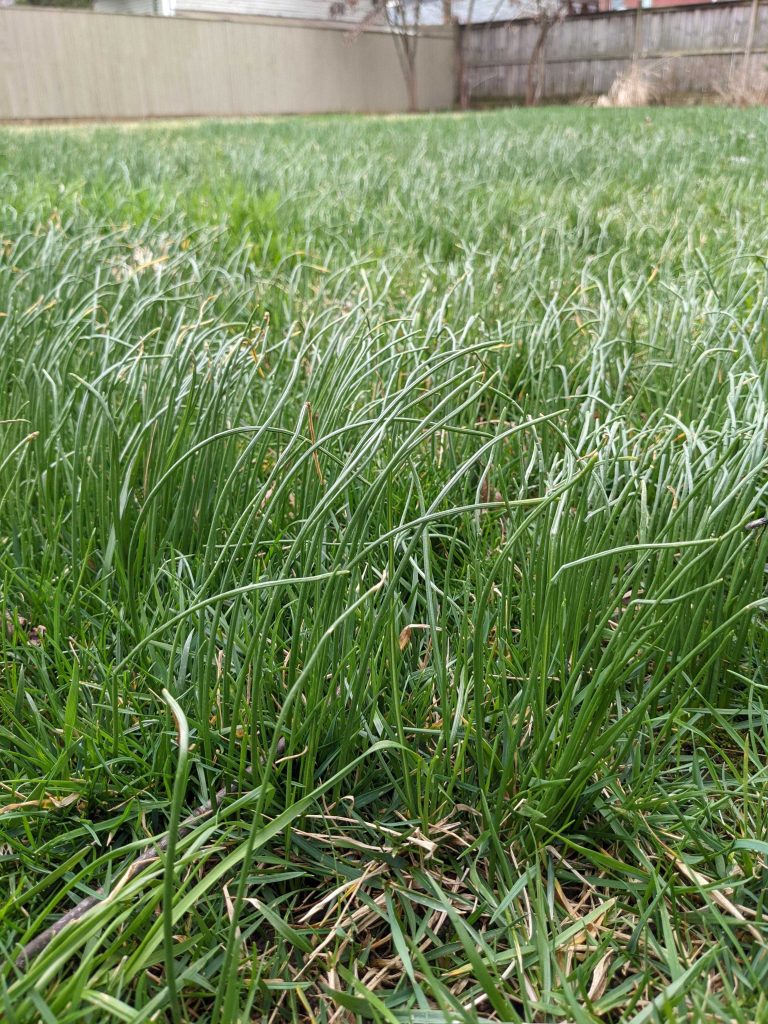
If you’re tired of the stubborn onion grass invading your garden or lawn, you’re not alone. This pesky weed can quickly take over your space, leaving you frustrated. The good news is that there are a few effective methods to get rid of it. One of the quickest solutions is to regularly pull out the weeds manually, making sure to remove the entire root to prevent regrowth. If the problem persists, consider applying a targeted herbicide. For those who prefer a natural approach, boiling water or vinegar can kill the grass without harming the environment. In this article, we’ll explore these methods in detail and help you reclaim your garden from onion grass. Let’s dive in and find the best solution for your situation!

“`html
How to Get Rid of Onion Grass
Onion grass can be quite a nuisance in gardens and lawns. This particular weed is known for its onion-like smell when cut. Many homeowners struggle to eliminate it, leading to frustrated gardening experiences. In this article, we will explore various effective methods to get rid of onion grass, including prevention strategies, natural remedies, and chemical treatments.
Understanding Onion Grass
Onion grass, also known as wild onion or wild garlic, belongs to the Allium family. It typically has narrow, green leaves and produces small, white flowers. These weeds can spread rapidly and thrive in various types of soil, making them challenging to control.
- Characteristics of Onion Grass
- Narrow, flat leaves
- Strong onion-like scent
- Small white flowers in spring
- Growth Habits
- Grows well in both sunny and shady areas
- Can reproduce through seeds and bulbs
Why Onion Grass is Problematic
Onion grass can outcompete desired plants for nutrients, water, and sunlight. Its rapid growth can lead to thick patches that are unsightly and can disrupt garden aesthetics. Additionally, the strong smell may interfere with other plant aromas, affecting your garden’s overall appeal.
Preventing Onion Grass Growth
Prevention is key to managing onion grass effectively. Here are some strategies to consider:
1. Proper Lawn Care
Maintaining a healthy lawn is one of the best ways to prevent onion grass from taking over. Regular mowing, watering, and fertilizing will keep your grass strong and competitive.
2. Mulching
Applying a thick layer of mulch can help suppress onion grass growth. Mulch blocks sunlight and limits the growth of weeds.
3. Soil Health
Improving soil health can discourage onion grass. Test your soil to check nutrient levels and amend it as needed.
4. Early Detection
Regularly inspect your garden for early signs of onion grass. The sooner you act, the easier it is to manage.
Natural Remedies to Get Rid of Onion Grass
If you prefer using natural methods to remove onion grass, several options are available:
1. Hand Pulling
One of the simplest ways to get rid of onion grass is through hand pulling. Be sure to remove the entire root to prevent regrowth.
2. Boiling Water
Pouring boiling water directly on the onion grass can effectively kill it. This method is best for small patches.
3. Vinegar Solution
Using a solution of vinegar and water can be an excellent natural herbicide. Mix equal parts of water and vinegar, and spray it directly onto the onion grass.
4. Salt Solution
Mixing salt with water and applying it to the onion grass can be effective. Be cautious, as salt can harm surrounding plants.
Chemical Treatments for Onion Grass
In more severe cases, you may need to resort to chemical treatments. Always follow the manufacturer’s instructions when using herbicides.
1. Selective Herbicides
These products kill weeds without harming the surrounding grass. Look for ones specifically designed for broadleaf weeds.
2. Non-Selective Herbicides
These kill all plants they come in contact with. Use them for larger patches of onion grass, but be mindful of nearby plants.
3. Timing of Application
For the best results, apply herbicides in the early spring or late fall when onion grass is actively growing.
4. Safety Precautions
Always wear gloves and a mask when applying chemicals. Keep pets and children away from treated areas until it’s safe.
Identifying Onion Grass in Your Lawn
Recognizing onion grass early can help in managing it effectively. Look for the following signs:
- Distinct onion smell, especially when cut or crushed
- Narrow, flat blades measuring 6-12 inches long
- Clusters of small white flowers, typically in spring
Long-term Management Strategies
To ensure onion grass does not return, consider implementing long-term strategies:
1. Regular Maintenance
Continually care for your lawn to prevent onion grass from re-establishing. Regular mowing and proper watering make it harder for weeds to take hold.
2. Overseeding
Overseeding your lawn with a dense grass variety can outcompete onion grass. This makes it challenging for the weed to thrive.
3. Monitoring and Adjustment
Keep an eye on your lawn throughout the growing season. Adjust your care routine as needed based on the weed presence.
Managing onion grass requires a combination of prevention, natural remedies, and possibly chemical interventions. By understanding the characteristics of onion grass and employing various strategies, you can keep your lawn healthy and free from this persistent weed. Remember, the key is consistent maintenance and early detection to promote a thriving, beautiful yard.
“`
How to get rid of wild onions/garlic without damaging lawn, organically
Frequently Asked Questions
What are the best methods for removing onion grass from my lawn?
The most effective methods for removing onion grass include manual digging, herbicide application, and maintaining healthy grass. Manual digging involves pulling out the entire plant, including its roots, to prevent regrowth. For larger infestations, applying a selective herbicide can target onion grass without harming your other lawn plants. Additionally, keeping your grass healthy through regular mowing and fertilization can help outcompete the onion grass.
Can I prevent onion grass from growing in my garden?
Preventing onion grass from growing involves several proactive measures. Start by maintaining healthy soil through proper fertilization and mulching, as this discourages weed growth. Regularly mowing your lawn at the right height can also prevent onion grass from establishing. Consider planting dense ground cover or using landscape fabric to block sunlight, which onion grass needs to thrive.
Is onion grass harmful to pets or humans?
Onion grass can be toxic to pets and humans if ingested. It contains compounds similar to those found in onions, which can cause gastrointestinal upset in both pets and people. While it’s advisable to keep your yard clear of onion grass, if you suspect ingestion, contact a veterinarian or medical professional for guidance.
How does onion grass spread, and how can I control its spread?
Onion grass spreads through seeds and underground bulbs. To control its spread, regularly check for new growth and remove plants when they appear. Implementing a mulching strategy can suppress seed germination. For larger issues, consider using targeted herbicides to manage existing populations and prevent seed formation.
When is the best time to tackle onion grass?
The ideal time to tackle onion grass is in the spring or early fall when the plants are actively growing. During this time, they are more susceptible to herbicides and easier to remove by hand. Targeting the plants during their active growth period increases the chances of successful eradication.
Final Thoughts
To effectively get rid of onion grass, start by consistently mowing it down before it flowers. This prevents seed production and helps weaken the plant over time.
Next, consider using a targeted herbicide that specifically targets onions while leaving other plants unharmed. Always follow the instructions carefully for the best results.
Lastly, cultivating healthy soil and planting dense ground cover can prevent onion grass from re-establishing. By following these steps, you can efficiently manage and eliminate this invasive weed. Remember, knowing how to get rid of onion grass ensures a healthier garden environment.