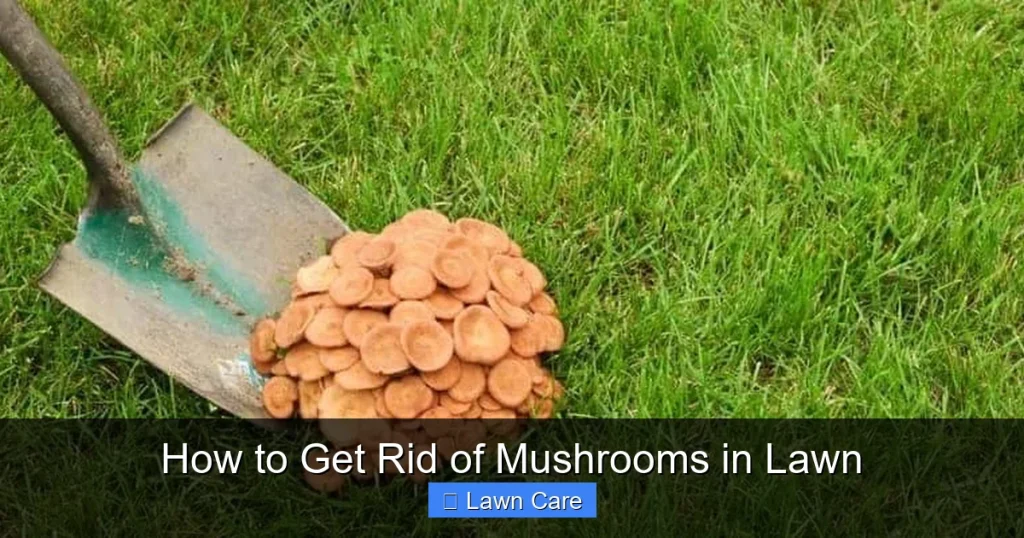
Mushrooms in your lawn aren’t dangerous—but they can be unsightly. This guide shows you how to safely remove them and prevent future growth using simple lawn care practices and natural solutions.
Key Takeaways
- Mushrooms are a sign of healthy soil fungi, not disease. They grow due to moisture, shade, and decaying organic matter.
- Remove mushrooms by hand or with a rake. Do it regularly to prevent spore spread and keep your lawn looking tidy.
- Improve air circulation and sunlight. Trim overhanging branches and thin dense turf to reduce damp, shady conditions.
- Reduce excess moisture. Water deeply but less often, and fix drainage issues to discourage fungal growth.
- Aerate and dethatch your lawn. This helps break up compacted soil and removes decaying matter that feeds fungi.
- Avoid high-nitrogen fertilizers. They can promote rapid grass growth and increase thatch, creating ideal mushroom conditions.
- Use fungicides only as a last resort. Most chemical treatments aren’t necessary and can harm beneficial soil life.
How to Get Rid of Mushrooms in Lawn
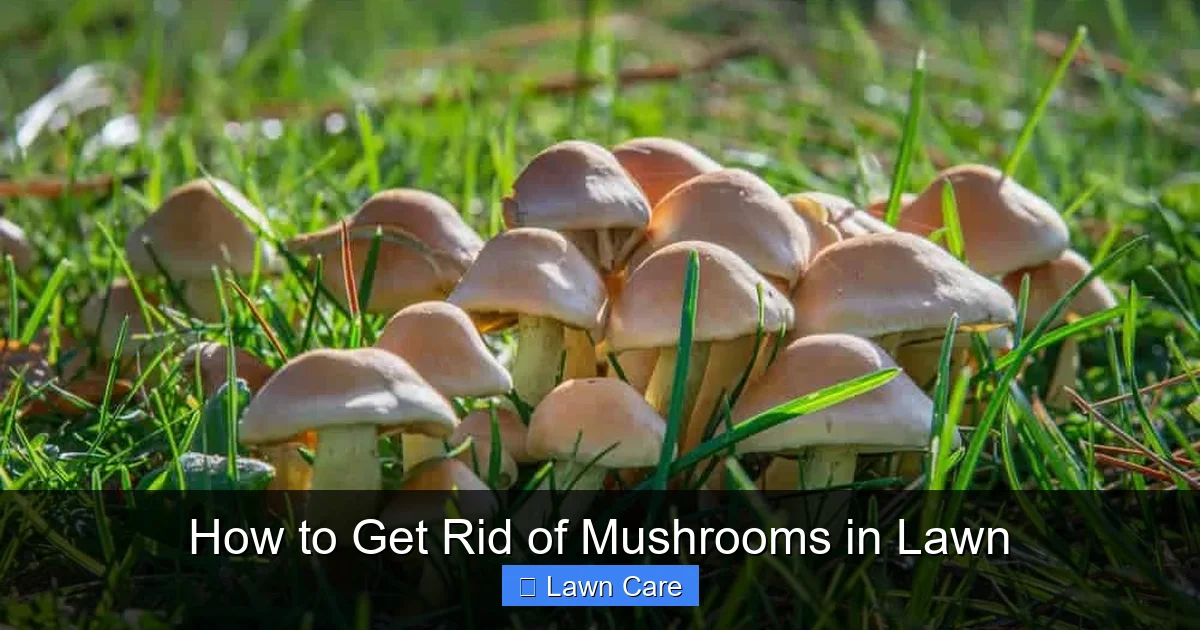
If you’ve spotted mushrooms popping up across your lawn, you’re not alone. Many homeowners panic, thinking their grass is sick or dying. But here’s the truth: mushrooms are actually a sign of healthy soil biology. They’re the fruiting bodies of beneficial fungi that break down organic matter like dead roots, leaves, and wood. While they’re not harmful to your lawn, they can look messy and raise concerns—especially if you have kids or pets.
The good news? You don’t need harsh chemicals or expensive treatments to get rid of mushrooms in your lawn. With a few smart lawn care practices, you can reduce their appearance and prevent them from coming back. In this guide, we’ll walk you through simple, effective steps to remove mushrooms and create a drier, healthier environment that discourages future growth.
Step 1: Identify Why Mushrooms Are Growing
Visual guide about How to Get Rid of Mushrooms in Lawn
Image source: lawn.com.au
Before you start treating the problem, it helps to understand what’s causing it. Mushrooms thrive in specific conditions:
- Moisture: Overwatering, poor drainage, or frequent rain creates damp soil—perfect for fungi.
- Shade: Lawns under trees or near buildings stay cooler and wetter, encouraging mushroom growth.
- Organic debris: Thatch, dead grass, buried wood, or old tree roots feed the fungi that produce mushrooms.
- Compacted soil: Dense soil holds water and limits airflow, creating a fungal-friendly environment.
Take a walk around your yard. Are mushrooms growing near a downspout, under a tree, or in a low-lying area? Noticing patterns helps you target the real issue—not just the symptom.
Step 2: Remove Mushrooms Safely
Visual guide about How to Get Rid of Mushrooms in Lawn
Image source: blog.nutrilawn.com
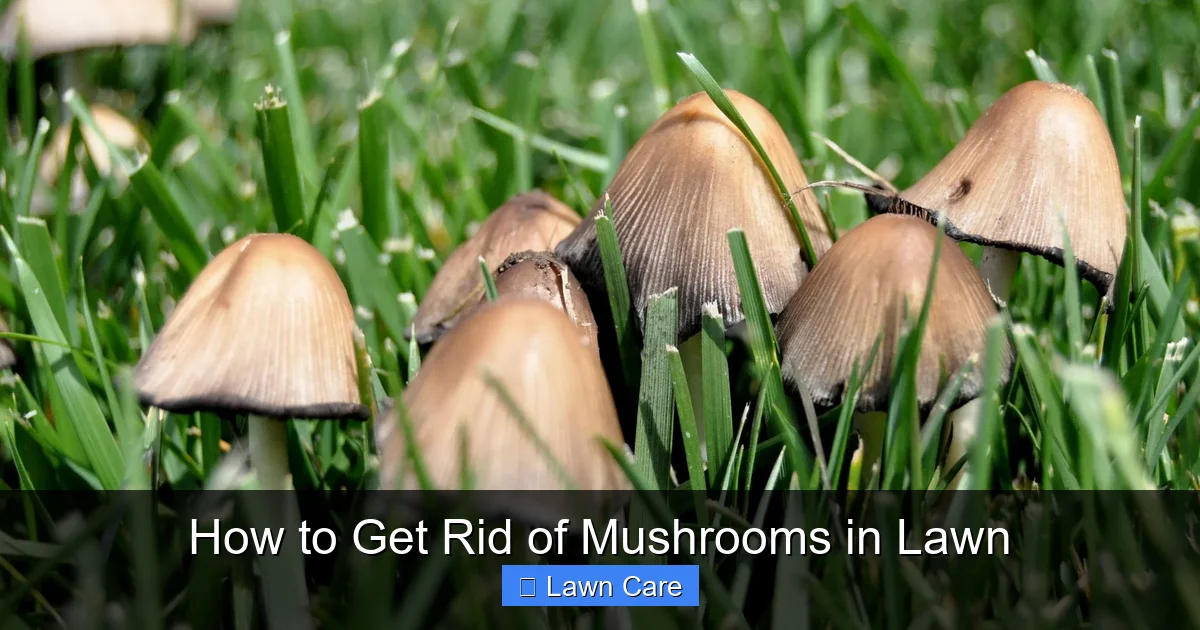
The first and easiest step is to remove visible mushrooms. This won’t kill the fungus underground, but it will stop spores from spreading and reduce the chance of more mushrooms appearing.
How to Remove Mushrooms by Hand
- Wear gloves to protect your hands.
- Grasp the mushroom at the base and twist gently to pull it out with the roots (called mycelium).
- Dispose of them in a sealed bag—don’t compost them, as spores can survive and spread.
Use a Rake for Larger Areas
If mushrooms are widespread, use a leaf rake or lawn sweeper to knock them down. Follow up by bagging the debris during mowing. Be sure to clean your tools afterward to avoid spreading spores.
Pro tip: Remove mushrooms after rain or watering when the soil is soft—they’ll come out more easily.
Step 3: Improve Lawn Drainage
Visual guide about How to Get Rid of Mushrooms in Lawn
Image source: agriculturegoods.com
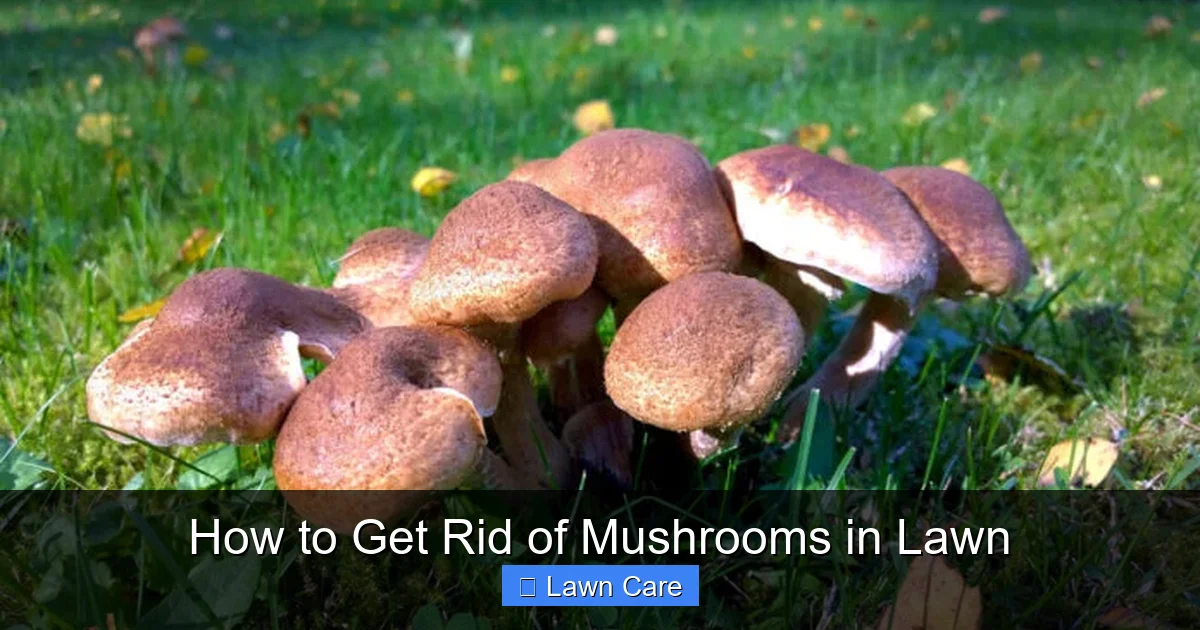
Standing water and soggy soil are major mushroom triggers. If your lawn stays wet for hours after rain or watering, it’s time to improve drainage.
Fix Low Spots and Compacted Areas
Use a garden fork or core aerator to poke holes in the soil. This allows water to penetrate deeper instead of pooling on the surface. For severe compaction, consider core aeration—a process that removes small plugs of soil to improve airflow and water movement.
Redirect Water Away from the Lawn
Check your gutters and downspouts. Make sure they’re not dumping water directly onto your grass. Extend downspouts at least 3–5 feet away from the lawn, or install a rain barrel to capture runoff.
If you have a chronically soggy spot, consider installing a French drain or grading the area to slope away from your home. For more on fixing wet spots, check out our guide on how to get rid of standing water in your yard.
Step 4: Increase Sunlight and Airflow
Mushrooms love shade and still air. Bringing in more light and circulation can make your lawn less inviting to fungi.
Trim Overhanging Branches
Use pruning shears or a pole saw to remove lower branches from trees and shrubs. Even a small increase in sunlight can dry out the soil faster and reduce mushroom growth.
Mow and Thin Dense Grass
Keep your grass at the recommended height for your turf type—usually 2.5 to 3.5 inches. Taller grass shades the soil, keeping it cool and moist. Mow regularly and avoid cutting more than one-third of the blade at a time.
If your lawn is thick and matted, consider dethatching. Use a dethatching rake or power dethatcher to remove the layer of dead grass and roots between the soil and green blades. This reduces organic matter that feeds fungi and improves airflow.
For more on maintaining a healthy lawn structure, see our article on how to get rid of tufts of grass in lawn.
Step 5: Adjust Your Watering Habits
Overwatering is one of the most common causes of mushroom growth. Most lawns only need about 1 inch of water per week, including rainfall.
Water Deeply, But Less Often
Instead of light daily watering, water your lawn 1–2 times per week for longer periods. This encourages deep root growth and allows the top layer of soil to dry between sessions—making it less hospitable to fungi.
Use a rain gauge or tuna can to measure how much water your sprinklers deliver. Adjust your timer accordingly.
Water in the Morning
Watering early allows grass blades to dry during the day. Wet grass at night creates a damp environment perfect for mushrooms and other lawn diseases.
Step 6: Aerate and Dethatch Annually
Compacted soil and thick thatch create the perfect breeding ground for mushrooms. Annual aeration and dethatching break up these problems and promote a healthier lawn.
When to Aerate
Aerate cool-season grasses (like Kentucky bluegrass or fescue) in early fall. Warm-season grasses (like Bermuda or Zoysia) do best when aerated in late spring or early summer.
Use a core aerator—available for rent at most garden centers—to remove soil plugs. Leave them on the lawn to break down naturally; they’ll return nutrients to the soil.
Dethatch When Needed
If the thatch layer is thicker than ½ inch, it’s time to dethatch. This can be done with a manual rake for small areas or a power dethatcher for larger lawns.
After aerating and dethatching, your lawn may look a little rough—but it will recover quickly and grow stronger. For more on improving soil health, read our guide on how to get rid of moss in your lawn, which shares similar solutions.
Step 7: Avoid Over-Fertilizing
While fertilizer helps grass grow, too much—especially high-nitrogen formulas—can backfire. Rapid growth leads to more thatch, which feeds fungi and encourages mushrooms.
Use Slow-Release Fertilizers
Choose a balanced, slow-release fertilizer and apply it according to your grass type and local climate. Most lawns only need 2–4 applications per year.
Test Your Soil
A soil test (available through your local extension office) tells you exactly what nutrients your lawn needs. This prevents over-application and saves money.
Step 8: Remove Decaying Organic Matter
Fungi feed on dead material. The more organic debris in your lawn, the more mushrooms you’ll see.
Clear Leaves and Debris Regularly
Rake up fallen leaves, twigs, and grass clippings—especially in fall. Don’t let them sit and decompose on the lawn.
Remove Stumps and Buried Wood
Old tree stumps, roots, or construction debris underground can feed fungi for years. If you’ve recently removed a tree, consider grinding the stump or removing large roots to eliminate the food source.
Step 9: Consider Natural Remedies (Optional)
If mushrooms keep returning, you can try a few natural solutions—but remember, they won’t eliminate the fungus permanently.
Apply Baking Soda
Mix 1 tablespoon of baking soda with 1 gallon of water and spray it on affected areas. Baking soda raises soil pH slightly, which can discourage some fungi. Use sparingly and avoid over-application, as it can harm grass.
Use Vinegar Solution (With Caution)
A diluted vinegar spray (1 part vinegar to 3 parts water) can kill surface fungi. However, vinegar is non-selective and may damage grass. Test on a small area first and avoid spraying on windy days.
Note: These remedies offer temporary relief. For long-term control, focus on improving lawn conditions instead.
Step 10: When to Use Fungicides (Rarely Needed)
Chemical fungicides are available, but they’re rarely necessary for lawn mushrooms. Most products only suppress growth temporarily and can harm beneficial soil organisms.
If you have a severe, recurring problem and other methods haven’t worked, consult a lawn care professional. They can recommend targeted treatments—but even then, cultural practices (like aeration and drainage) are still the best long-term solution.
Troubleshooting Common Issues
Mushrooms Keep Coming Back
This usually means the underlying conditions haven’t changed. Reassess your watering, drainage, and shade levels. It can take several weeks of consistent care to see results.
My Lawn Looks Thin After Dethatching
Don’t worry—this is normal. Overseed bare spots and keep the soil moist until new grass establishes. Avoid heavy foot traffic for 2–3 weeks.
Pets or Kids Play on the Lawn
While most lawn mushrooms are not highly toxic, some can cause stomach upset if ingested. Remove mushrooms promptly and teach children not to touch or eat them. If you’re concerned, consider using a pet-safe lawn treatment or fencing off affected areas temporarily.
Conclusion
Getting rid of mushrooms in your lawn isn’t about killing every last fungus—it’s about creating a healthier, drier, and more balanced environment. By removing visible mushrooms, improving drainage, increasing sunlight, and adjusting your lawn care routine, you can significantly reduce their appearance and keep your yard looking its best.
Remember: mushrooms are a natural part of a thriving ecosystem. A few here and there aren’t a problem. But if they’re taking over, the steps in this guide will help you take back control—naturally and effectively.
With consistent care, your lawn will be stronger, greener, and less inviting to unwanted fungi. And if you’re dealing with other lawn issues like weeds or brown spots, be sure to explore our full library of lawn care guides for more tips.