If you’re struggling with Bahia grass in your lawn or garden, you’re not alone. This hardy grass can quickly take over and become a nuisance. The good news is that there are effective methods to get rid of it. One quick solution is to apply a selective herbicide that specifically targets Bahia grass without harming desired plants. Additionally, manual removal, although labor-intensive, can be effective if done consistently. Keeping your lawn healthy and thick with desirable grass species can also prevent Bahia grass from reestablishing itself. In this article, we’ll explore these methods in detail, providing you with the knowledge you need to reclaim your outdoor space. Let’s dive in!

How to Get Rid of Bahia Grass
Bahia grass can be a persistent nuisance for many homeowners and gardeners. It is a hardy perennial grass often found in warm climates. While some may appreciate its durability, others regard it as an invasive species that crowds out more desirable grasses and plants. If you’re looking to eliminate Bahia grass from your lawn or garden, you’re in the right place. This guide will provide various methods to effectively get rid of Bahia grass while ensuring your desired plants thrive.
Understanding Bahia Grass
Before tackling Bahia grass, it’s essential to understand its characteristics. This grass is known for its resilience and ability to thrive in poor soil conditions. It can spread aggressively through seeds and underground runners.
Notably, Bahia grass typically grows in warm, sunny areas. It can quickly take over lawns if not managed properly. Understanding how it spreads will help you in your eradication efforts.
Identifying Bahia Grass
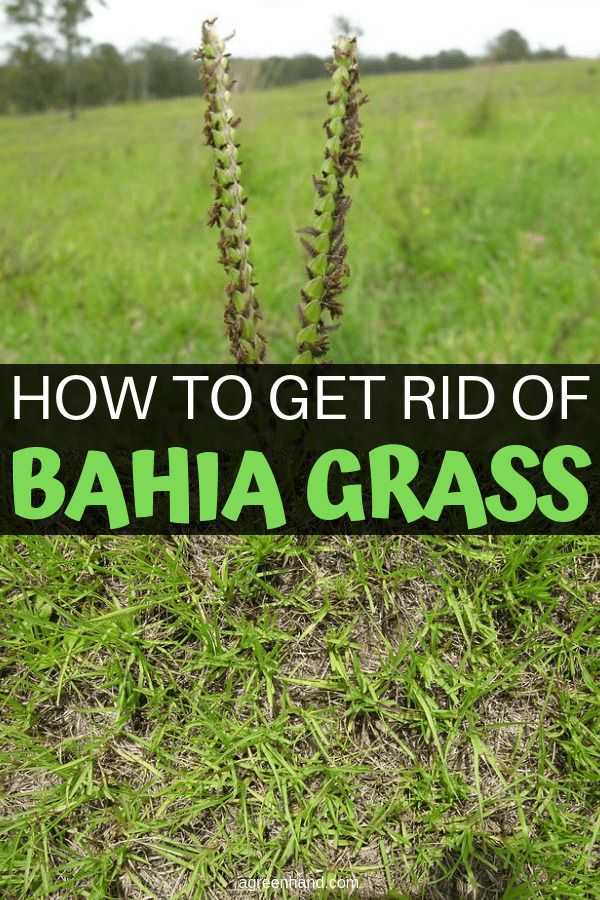
Identifying Bahia grass is the first step in controlling it. Here are some key features:
- Leaf Texture: Bahia grass has coarse, thick blades that are rough to the touch.
- Color: It usually has a vibrant green color, but can turn brown in cooler months.
- Seed Head: The seed heads are distinctive and can be seen during its flowering season.
By properly identifying Bahia grass, you can create an effective plan to remove it.
Physical Removal Techniques
One of the most straightforward ways to get rid of Bahia grass is through physical removal. This method involves digging up the grass and roots. Here’s how to do it:
- Tools Needed: A spade, garden fork, and your hands.
- Step-by-Step Process:
- Moisten the soil to make digging easier.
- Use a spade to cut around the grass clump.
- Lift the clump out carefully, making sure to remove as much of the root system as possible.
This method may be labor-intensive but can be effective for small areas.
Using Mulch and Ground Covers
Another method to suppress Bahia grass growth is to use mulch or ground covers. Here’s why this can work well:
- Mulching: Apply a thick layer of mulch over the area where Bahia grass grows. This can choke the grass and prevent sunlight from reaching it.
- Ground Covers: Plant desired ground covers that compete with Bahia grass. Species like clover or creeping thyme can be effective.
By preventing sunlight and competition, you can reduce Bahia grass’s presence.
Chemical Control Methods
When physical methods are insufficient, chemical treatments may be necessary. Here’s how to use herbicides responsibly:
- Selective Herbicides: Look for a selective herbicide that targets Bahia grass but is safe for your desired plants. Read labels carefully.
- Application: Apply the herbicide during the active growing season for maximum effect.
- Follow Instructions: Always adhere to the manufacturer’s instructions to avoid harm to other plants and the environment.
Using chemicals should be a last resort and handled with care.
Maintaining a Healthy Lawn
A healthy lawn can help suppress Bahia grass. Here are some tips to maintain lawn health:
- Regular Mowing: Keep your grass at a higher mowing height to promote stronger grass growth.
- Fertilization: Fertilize regularly to ensure your desired grass species thrive.
- Watering: Water deeply but infrequently to encourage deeper root systems.
By creating an environment where your desired grasses thrive, Bahia grass may struggle to compete.
Preventing Future Growth
Once you successfully remove Bahia grass, prevention is critical to keep it from returning. Here are some strategies:
- Monitor Regularly: Keep an eye on your lawn for any signs of Bahia grass returning.
- Soil Testing: Test your soil to ensure it is balanced and supports healthy grass growth.
- Reseeding: Reseed with desirable grass species to fill in any gaps and create a dense lawn.
Taking these preventative measures can save you time and effort in the long run.
The Role of Professional Help
If Bahia grass seems overwhelming, consider seeking professional help. Here are some advantages:
- Expertise: Lawn care professionals have the knowledge and tools to efficiently deal with Bahia grass.
- Customized Plans: They can create tailored plans based on your lawn’s specific needs.
Consulting with professionals can be a valuable option.
Getting rid of Bahia grass may seem daunting, but with persistence and the right methods, it is achievable. Whether through physical removal, mulching, chemical treatments, or maintaining a healthy lawn, you can reclaim your space. Remember to monitor for future growth and consider professional assistance if needed. With these strategies, you will be well-equipped to manage Bahia grass effectively.
How to Get Rid of Bahia Grass
Frequently Asked Questions
What are effective methods to eliminate bahia grass from your lawn?
To effectively eliminate bahia grass, consider using a combination of cultural and chemical methods. Start by mowing the grass as short as possible to weaken it. Apply a non-selective herbicide containing glyphosate during the growing season, ensuring to follow the manufacturer’s instructions. Additionally, create a dense lawn with desirable grass species to outcompete bahia grass, making it harder for it to thrive.
How can I prevent bahia grass from returning after removal?
After removing bahia grass, take proactive steps to prevent its return. Regularly maintain your lawn by mowing at the appropriate height for your desired grass type, ensuring it remains thick and healthy. Spread a layer of mulch and consider planting competitive grass varieties that suit your local climate. Monitor for any signs of bahia grass regrowth and treat it promptly to keep it in check.
What is the best time of year to tackle bahia grass?
The ideal time to tackle bahia grass is during its active growing season, typically late spring through early summer. This timing allows herbicides to be more effective, as the grass is in a growth phase and can absorb the chemicals more readily. Additionally, the warm weather encourages faster regrowth of desirable grasses, helping to outcompete the bahia.
Can I use natural remedies to remove bahia grass?
Yes, several natural remedies can help in controlling bahia grass. Vinegar, for instance, can act as a natural herbicide due to its high acidity. You can spray a solution of vinegar directly onto the grass on a sunny day. Boiling water is another option, as it can effectively kill the grass on contact. However, use these methods cautiously, as they may also harm surrounding plants.
How does soil health affect bahia grass growth?
Soil health plays a significant role in the growth of bahia grass. Poorly drained, compacted, or nutrient-deficient soils can encourage its proliferation. To improve soil health, conduct a soil test to assess pH and nutrient levels. Aerate the soil to relieve compaction and amend it with organic matter to promote a healthy environment for more desirable grass species.
Is there a specific herbicide that works best for bahia grass?
Herbicides that contain products specifically designed for grassy weeds often work well against bahia grass. Look for selective herbicides that target bahia without harming your existing desired grass species. Always read the label for application rates and timing to ensure effectiveness while promoting the health of your lawn.
Final Thoughts
To effectively manage bahia grass, consider using non-selective herbicides that target this invasive species while promoting the health of desired plants. Regularly mowing the grass helps weaken its root system, making it more susceptible to removal.
Additionally, hand-pulling small patches can be effective, especially when the soil is moist. Implementing these methods strategically will help achieve your goal of how to get rid of bahia grass in your landscape.