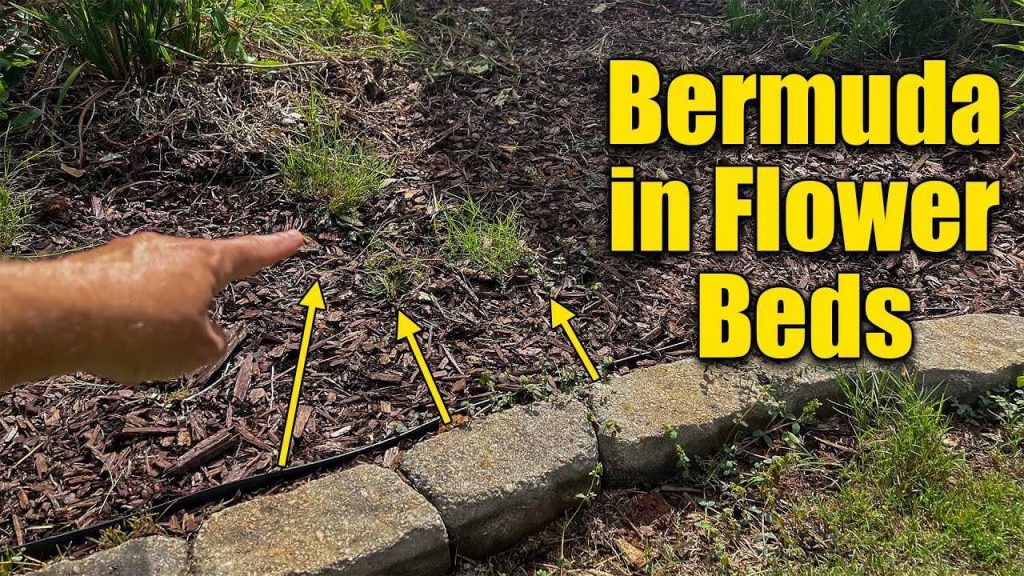
To eliminate Bermuda grass from your flower beds quickly, the most effective method is to manually remove the grass with care, followed by applying a targeted weed barrier or herbicide specifically designed for this stubborn weed. Consistent monitoring and maintenance are essential to prevent its return.
Bermuda grass can be a real nightmare in flower beds because of its aggressive growth. To get rid of it, you’ll need a combination of manual removal, proper mulching, and selective herbicides. Staying persistent is key, as Bermuda grass tends to reappear if not fully eradicated.
If Bermuda grass has taken over your flower beds, it can feel like an uphill battle. This invasive grass spreads rapidly through both roots and runners, choking out your beautiful plants. The good news is that with a strategic approach—starting with removing as much of the grass as possible, then applying selective herbicides or laying down a weed barrier—you can regain control. Regular upkeep and vigilant inspection will help keep your flower beds pristine and free from Bermuda grass’s relentless encroachment.

How to Get Rid of Bermuda Grass in Flower Beds
Bermuda grass can quickly invade flower beds, making it difficult for your favorite plants to thrive. It is a tough, aggressive grass that spreads swiftly through both above-ground runners and underground rhizomes. Removing Bermuda grass from flower beds is essential to protect your garden’s beauty and health.
Understanding Bermuda Grass and Its Growth Patterns
Before starting removal, it’s important to understand Bermuda grass’s growth habits. It spreads mainly through rhizomes and stolons, allowing it to cover large areas rapidly. Its deep root system makes it resilient and challenging to eradicate completely.
Knowing how Bermuda grass propagates will help you choose effective removal strategies. It is especially invasive during warm months, so timing your efforts accordingly can improve success rates. Recognizing the signs of Bermuda grass early can save your flower beds from becoming overrun.
Initial Steps to Control Bermuda Grass in Flower Beds
Manual Removal and Inspection
Start by carefully pulling out Bermuda grass by hand. Use gardening gloves to protect your skin and a small fork or trowel to dig out underground runners. Check thoroughly for rhizomes and stolons to prevent regrowth.
If the grass is dense, take your time to remove as much of it as possible. Discard the dead material properly to prevent spreading seeds or rhizomes. Consistent manual removal can weaken Bermuda grass over time.
Removing Surface Litter and Weeds
Clear the flower bed of all debris, dead leaves, and weeds. This step ensures no Bermuda grass fragments are hidden or left behind. It also improves the effectiveness of subsequent treatments and prevents Bermuda grass from establishing dominance again.
Suppressive Measures to Prevent Re-Growth
Applying Mulch as a Barrier
Using a thick layer of organic mulch, such as wood chips or bark, can suppress Bermuda grass. Apply at least 3-4 inches of mulch around your flower plants to block sunlight and prevent new runners from emerging.
Mulch also retains soil moisture and improves soil health, making your flower beds more resilient. Regularly replenish mulch to maintain this barrier, especially after heavy rains or wind.
Using Heavy Duty Garden Fabric
Lay a commercial-grade landscape fabric over the flower bed after manual removal. Cut holes for your plants, then secure the fabric with landscape staples. This fabric acts as a strong physical barrier against Bermuda grass.
Ensure the fabric is breathable to allow water and nutrients to penetrate, promoting healthy plant growth while keeping Bermuda grass at bay. Check periodically for tears or tears that may create openings for grass to grow through.
Selective Herbicide Treatments
Choosing the Right Herbicide
For persistent Bermuda grass, selective herbicides containing glyphosate or pelargonic acid can be effective. Spray these on the grass only, avoiding contact with desirable plants. Use a targeted application for best results.
Always read and follow product instructions carefully. Apply herbicides during calm, dry days to prevent drift and maximize absorption. Repeat applications may be necessary for complete eradication.
Timing and Safety Precautions
Apply herbicides early in the growing season when Bermuda grass is actively growing. Early application prevents extensive spread. Use protective gear such as gloves and masks to minimize exposure.
Keep pets and children away from treated areas until the herbicide has dried and is safe for contact.
Long-Term Strategies to Prevent Bermuda Grass Re-Establishment
Consistent Maintenance and Monitoring
Regularly inspect your flower beds for new Bermuda grass shoots. Pull out any new growth immediately to prevent it from taking hold. Consistent monitoring is key to long-term control.
Schedule routine garden checks every few weeks, especially during growing seasons, to catch and remove Bermuda grass early.
Fertilizing and Proper Watering
Maintain healthy flowers through proper fertilization and watering practices. Healthy plants are better able to compete with Bermuda grass for nutrients and space. Avoid overwatering, as it can encourage Bermuda grass growth.
Alternative and Organic Methods
Vinegar and Boiling Water Treatments
If you prefer organic solutions, applying vinegar directly to Bermuda grass can cause dehydration. Boiling water poured on the grass can also kill the roots. Reapply as needed to ensure complete eradication.
Be careful to avoid contact with your desirable plants, as vinegar and boiling water can harm other vegetation.
Solarization Technique
Cover the flower bed with clear plastic during hot, sunny days. This traps heat and kills Bermuda grass seeds and roots beneath. Leave the plastic in place for 4-6 weeks for optimal results.
This method is chemical-free and environmentally friendly, making it a popular choice for organic gardeners.
Preventative Measures for Future Control
Regular Lawn and Garden Maintenance
Keep your flower beds healthy and weed-free through regular maintenance. Remove any invading Bermuda grass before it can spread. Proper edging can also help contain Bermuda grass within designated areas.
Use resistant plant varieties that can compete effectively with Bermuda grass, reducing its chances to take hold.
Creating a Barrier Around Your Flower Beds
Install physical barriers such as plastic or metal edging around flower beds to prevent Bermuda grass from creeping in. Bury the barrier several inches into the soil for maximum effectiveness.
Combine barriers with mulching and vigilant monitoring for best results.
Summary of Effective Bermuda Grass Removal Strategies
| Method | Description | Pros | Cons |
|---|---|---|---|
| Manual Removal | Pulling out grass and roots by hand | Cheap, chemical-free, environmentally friendly | Labor-intensive, may need repeated efforts |
| Mulching | Applying thick organic mulch over soil | Suppresses growth, improves soil health | Needs frequent replenishment |
| Landscape Fabric | Physical barrier under mulch or plants | Very effective long-term control | Initial installation effort, may limit soil aeration |
| Herbicides | Targeted chemical treatment | Effective for stubborn grass | Potential environmental concerns, requires careful application |
| Organic Methods (Vinegar, Boiling Water, Solarization) | Natural destruction techniques | Eco-friendly, chemical-free | Limited effectiveness, can affect desirable plants if not careful |
Combining several of these strategies yields the best results against Bermuda grass. Patience and persistence are essential to reclaim your flower beds and keep Bermuda grass at bay.
Kill Bermuda Grass Flower Beds
Frequently Asked Questions
What practical methods can I use to eliminate Bermuda grass from my flower beds?
To effectively remove Bermuda grass, start by removing all visible patches manually using a sharp spade or hoe. Ensure you dig down to the root level to extract as much of the underground stolons as possible. Applying a thick layer of mulch on top of the flower beds can suppress any remaining grass and prevent new growth. For persistent patches, consider spot-treating with a non-selective herbicide, making sure to apply it carefully to avoid damaging your flowers. Regular maintenance and monitoring help keep Bermuda grass from returning.
Are there specific plant choices that can help prevent Bermuda grass from invading flower beds?
Yes, planting dense ground covers or long-lived perennials that grow quickly can help prevent Bermuda grass from establishing itself. Plants such as creeping thyme, sedum, or mondo grass form tight mats that block sunlight and make it difficult for Bermuda grass to take hold. Additionally, maintaining healthy, vigorous plants in your flower beds creates competition, making it harder for Bermuda grass to invade and spread.
Can soil treatment methods assist in controlling Bermuda grass in flower beds?
Soil treatment can be effective if done carefully. You can modify the soil to create unfavorable conditions for Bermuda grass, such as adjusting pH levels or using soil sterilants in extreme cases. Incorporating organic matter and compost can strengthen your flower plants, giving them an advantage over the grass. Always test your soil before applying any treatments to avoid harming your desired plants. Consistent cultivation and maintenance are essential in preventing Bermuda grass from re-establishing itself.
Final Thoughts
Getting rid of bermuda grass in flower beds requires consistent effort and strategic methods. Start by hand pulling to remove the grass, making sure to extract the roots completely. Applying a targeted herbicide designed for bermuda grass can help prevent regrowth. Installing a thick mulch layer suppresses new shoots and keeps the soil moist. Following these steps effectively manages bermuda grass in flower beds and keeps your garden thriving.