
Discover safe, effective ways to remove bees from your yard without harming them. This guide covers humane relocation, natural deterrents, and when to call professionals—so you can protect both your lawn and vital pollinators.
Key Takeaways
- Identify the bee species first: Honeybees, bumblebees, and carpenter bees require different approaches—knowing which you’re dealing with ensures safe removal.
- Never use pesticides: Chemical sprays kill bees and harm the environment; always opt for non-lethal methods.
- Relocation is best for honeybees: Contact a local beekeeper or bee rescue group to safely relocate hives.
- Seal entry points after removal: Prevent future nesting by filling holes, cracks, and gaps in structures.
- Use natural deterrents wisely: Peppermint oil, cinnamon, and water sprays can encourage bees to leave without injury.
- Call a professional if needed: For large nests or hard-to-reach areas, experts can remove bees safely and legally.
- Support pollinators long-term: Plant bee-friendly flowers away from high-traffic zones to redirect bees naturally.
Why You Should Avoid Killing Bees
Bees are essential pollinators that support over 75% of the world’s flowering plants and nearly 35% of global food crops. Without them, ecosystems—and our food supply—would collapse. Yet many homeowners panic when they spot bees in their yard, reaching for insecticides that do more harm than good.
The good news? You can get rid of bees without killing them. In fact, humane removal protects your lawn, supports biodiversity, and keeps your family safe. This guide walks you through step-by-step methods to relocate or deter bees gently and effectively—no chemicals required.
Step 1: Identify the Type of Bee
Not all bees are the same, and your removal strategy should match the species.
Honeybees
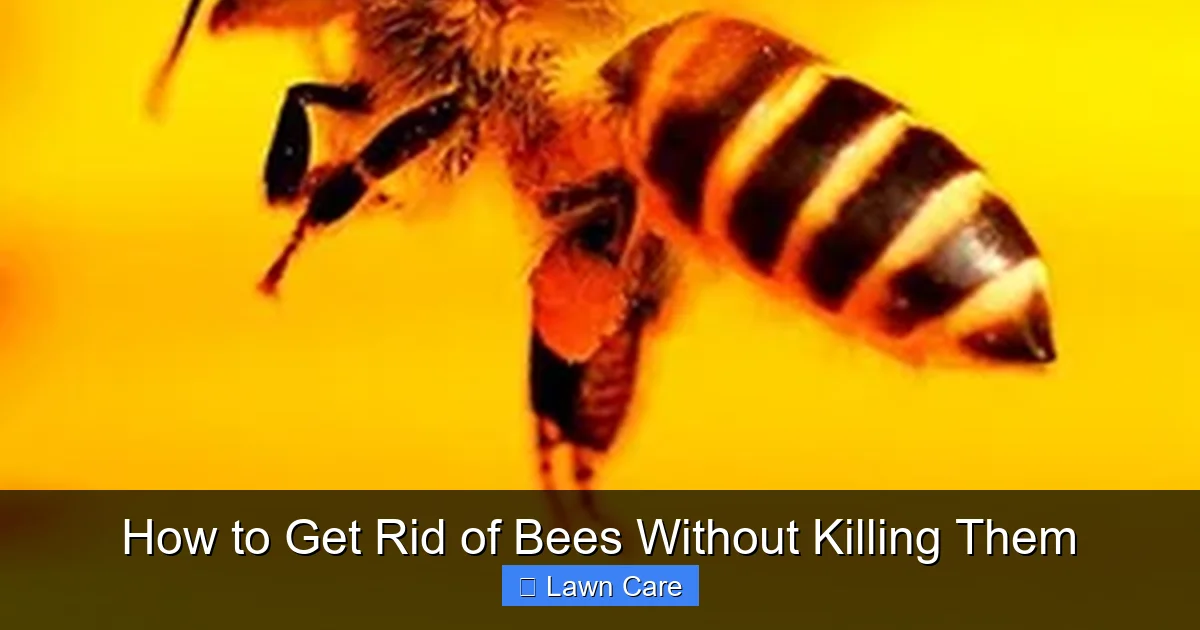
Small, golden-brown, and fuzzy, honeybees live in colonies and build wax hives. They’re generally non-aggressive but will defend their hive if threatened. If you see a swarm or a hive in a wall, tree, or shed, do not disturb it. Instead, contact a local beekeeper or bee rescue organization. Many will remove the hive for free to protect these vital pollinators.
Visual guide about How to Get Rid of Bees Without Killing Them
Image source: pestsguide.com
Bumblebees
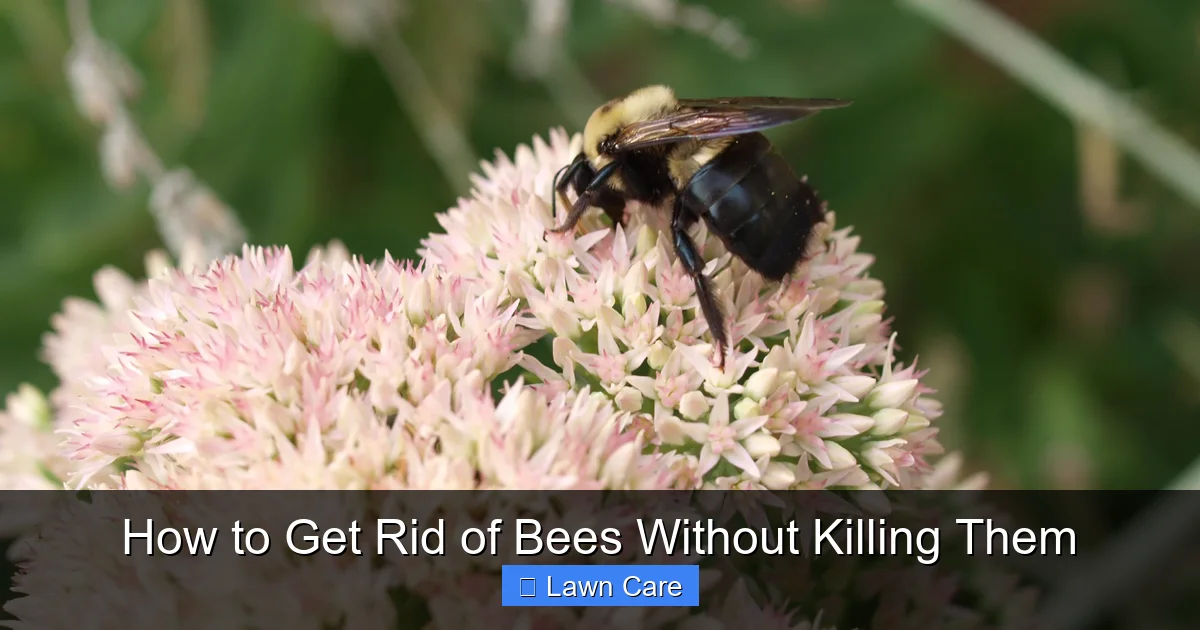
Larger and rounder than honeybees, bumblebees nest in the ground—often in old rodent burrows or under decks. They’re docile but may sting if stepped on. Since they only use a nest for one season, you can wait until winter to seal the entrance. For immediate removal, gently encourage them to leave using light and noise (see Step 3).
Carpenter Bees
These solitary bees look like bumblebees but have shiny, black abdomens. They tunnel into wood to lay eggs, which can damage fences, decks, or eaves. Unlike honeybees, they don’t live in colonies, so you can treat individual holes. Fill tunnels with wood putty after confirming bees have left (usually in late summer).
Sweat Bees and Mason Bees
Small and often metallic-colored, these solitary bees rarely sting and don’t form hives. They’re beneficial pollinators and usually don’t need removal unless they’re nesting in high-traffic areas. A shallow dish of water with pebbles can distract sweat bees from landing on you.
Step 2: Assess the Location and Size of the Nest
Before taking action, evaluate where the bees are and how big the colony is.
Ground Nests
Common for bumblebees and some solitary bees. Look for a small hole with bees flying in and out. Avoid walking near the entrance. If the nest is in a garden bed or lawn, consider marking it with a stake and avoiding the area until fall.
Visual guide about How to Get Rid of Bees Without Killing Them
Image source: popsci.com
Structural Nests
Bees inside walls, attics, or sheds pose a bigger challenge. Honeybees in walls can cause moisture damage and attract pests. In these cases, professional removal is strongly recommended. DIY attempts can worsen the problem or lead to stings.
Swarms
A cluster of bees hanging from a tree branch or fence post is usually a temporary swarm looking for a new home. Swarms are rarely aggressive and often leave within 24–48 hours. If they don’t, call a beekeeper—they’ll often collect the swarm for free.
Step 3: Use Natural Deterrents to Encourage Bees to Leave
If the nest is small and accessible, you can gently encourage bees to relocate using natural methods.
Peppermint Oil Spray
Bees dislike the strong scent of peppermint. Mix 10–15 drops of peppermint essential oil with 1 cup of water in a spray bottle. Lightly mist the area around the nest (not directly on bees). Reapply every few days. This works best for ground nests or exposed hives.
Visual guide about How to Get Rid of Bees Without Killing Them
Image source: killem.com.sg
Cinnamon Powder
Sprinkle ground cinnamon around the nest entrance. The scent confuses bees and encourages them to move. Use daily for a week. This method is safe for soil and plants.
Water Spray (for Swarms)
For a temporary swarm on a low branch, gently spray with a fine mist of water from a distance. This mimics rain and encourages the bees to seek shelter elsewhere. Never use a high-pressure hose—it can provoke stings.
Bright Light at Night
Bees are less active after dark. Shine a bright flashlight or work light near the nest entrance at night. The light can disorient them and prompt relocation by morning. Use red bulbs if possible—bees can’t see red light well.
Step 4: Relocate the Hive (For Honeybees Only)
If you’ve confirmed the bees are honeybees, relocation is the best option.
Contact a Local Beekeeper
Search online for “bee removal near me” or check with your county extension office. Many beekeepers offer free hive removal and will transport the bees to a safe apiary. This is the most ethical and effective method.
What to Expect During Removal
A beekeeper will typically arrive in protective gear, use a smoker to calm the bees, and carefully remove the hive (including comb and bees). They may need to cut into walls or roofs for structural nests—this should only be done by a professional.
After Removal
Once the bees are gone, clean the area with soapy water to remove pheromones that attract new swarms. Seal all entry points with caulk, mesh, or wood filler to prevent re-nesting.
Step 5: Prevent Future Bee Nests
Keep bees from returning with these lawn care tips.
Seal Cracks and Holes
Inspect your home’s exterior for gaps around windows, doors, eaves, and foundations. Use silicone caulk or steel wool to block entry points. Carpenter bees prefer untreated wood—paint or stain decks and fences to deter them.
Maintain Your Lawn
Keep grass mowed and remove debris like piles of wood or leaves where bees might nest. Aerate compacted soil to discourage ground-nesting species. For more on lawn maintenance, see our guide on how to get rid of weeds without killing grass.
Create a Bee-Friendly Zone Away from Your Home
Plant native flowers like lavender, coneflower, and bee balm in a corner of your yard. This gives bees a safe place to forage without nesting near your house. Avoid using pesticides—even organic ones—near these plants.
Install Decoy Nests
For carpenter bees, hang untreated wooden blocks or bamboo tubes in a shaded area. Bees may choose these over your deck. Replace or move them yearly to maintain effectiveness.
Troubleshooting Common Issues
Bees Keep Returning to the Same Spot
This usually means pheromones are still present. Clean the area thoroughly with vinegar and water, then seal all openings. If the problem persists, consult a professional.
You’re Allergic to Bee Stings
If you or a family member has a bee allergy, do not attempt removal yourself. Call a beekeeper or pest control expert immediately. Always keep an epinephrine auto-injector on hand if you’re at risk.
The Nest Is Too Large or Hard to Reach
Never attempt to remove a large hive in an attic, wall, or high tree alone. Structural nests require specialized tools and knowledge. For safe, legal removal, contact a licensed bee removal service.
Bees Are Aggressive or Defending Their Nest
If bees are flying aggressively or you’ve been stung, leave the area immediately. Do not swat or spray them—this increases the risk of multiple stings. Wait until dusk or dawn when bees are less active, then assess the situation from a safe distance.
When to Call a Professional
While many bee issues can be handled safely at home, some situations require expert help:
- The hive is inside a wall, roof, or chimney
- You’re unsure of the bee species
- The nest is large (golf ball size or bigger)
- You have a bee allergy
- Previous removal attempts have failed
Professional bee removers have the equipment and experience to extract hives without harming bees or your property. Many also offer warranties against re-nesting.
Conclusion
Getting rid of bees without killing them isn’t just possible—it’s the responsible choice. By identifying the species, using natural deterrents, and relocating hives humanely, you protect both your lawn and the environment. Remember: bees are not pests. They’re partners in a healthy ecosystem.
Take action calmly and carefully. With the right approach, you can coexist with bees—or guide them to a better home. And if you’re dealing with other lawn invaders, check out our tips on how to get rid of gophers without killing them or common lawn pests and how to manage them.