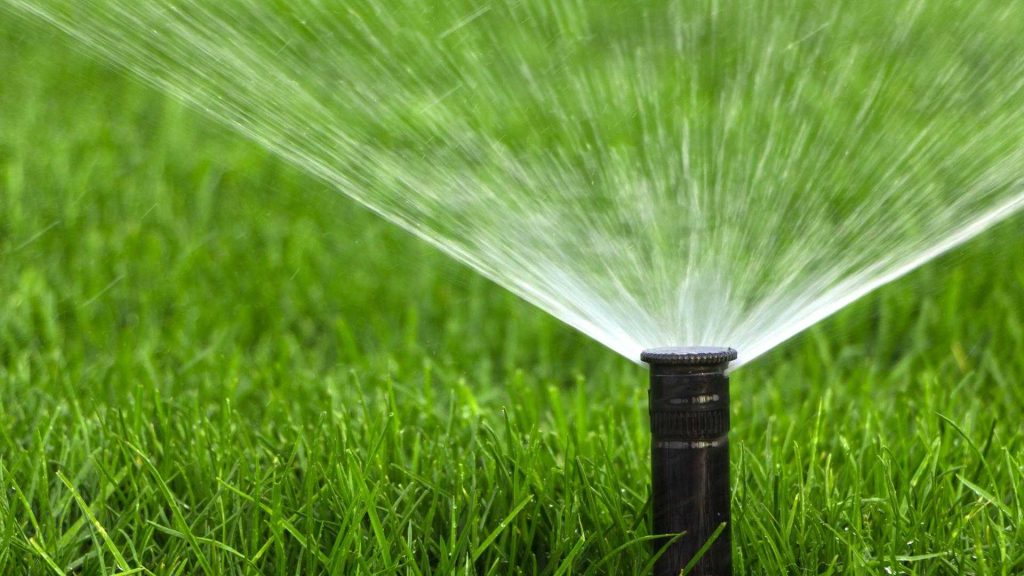
To cut down on summer lawn watering without sacrificing its health, consider adjusting your watering schedule, using drought-tolerant grass varieties, and improving soil quality. These simple steps can help your lawn stay green while conserving water and reducing your utility bill.
In hot summer months, watering your lawn excessively can waste water and harm the soil. The key to reducing lawn watering involves smart scheduling, choosing the right grass, and enhancing soil health, so your yard remains lush with less effort and water. Implementing these strategies not only benefits the environment but also helps you save money and time. Now, let’s explore practical tips to make your lawn greener and healthier with less watering effort.

How to Reduce Lawn Watering in Summer
During hot summer months, watering your lawn can become a daily chore. Heavy watering can also lead to water wastage and shallow roots that struggle to survive droughts. Learning how to reduce lawn watering while keeping your grass healthy is essential for saving water and maintaining a vibrant yard.
Understanding Lawn Water Needs
Each type of grass has its own water requirements. Cool-season grasses like Kentucky bluegrass need more frequent watering, while warm-season grasses such as Bermuda tolerate drought better. Knowing your grass type helps decide how to adjust watering schedules.
Generally, lawns need about one inch of water weekly. This amount encourages deep root growth and drought resistance. To measure this, place empty cans around your yard during watering. When the cans fill to one inch, stop watering.
Adjusting Your Watering Schedule
Instead of watering every day, switch to watering less often but more deeply. Watering two to three times a week encourages roots to grow downward, making your lawn more drought-tolerant. Early morning is the best time to water because less water evaporates.
Use an irrigation timer to control watering times precisely. Setting the timer for longer sessions less frequently helps avoid shallow roots and reduces water consumption. Remember, overwatering can cause diseases and shallow roots.
Implementing Smart Watering Techniques
Deep and Infrequent Watering
This method involves watering thoroughly but less often. Deep watering reaches roots deep in the soil, encouraging stronger grass and reducing the need for frequent watering.
Water Early in the Morning
Watering early allows the grass to dry before evening, reducing disease risk. It also minimizes evaporation loss, making each drop of water more effective.
Utilizing Drip Irrigation and Soaker Hoses
These systems deliver water directly to the soil, where roots need it most. They waste less water compared to traditional sprinklers and work well for small lawns or specific garden sections.
Improving Lawn Health to Reduce Water Need
Choose Drought-Resistant Grass Varieties
Opt for grasses that are adapted to your climate. Turf types like Bermuda, zoysia, and buffalo grass require less water and are more tolerant of dry conditions.
Maintain Proper Mowing Height
Keep your grass at the recommended height for its type. Taller grass shades the soil, reducing evaporation and keeping roots moist. Avoid cutting more than one-third of the grass height at a time.
Fertilize Appropriately
Proper fertilization supports healthy roots and reduces stress during hot weather. Use slow-release fertilizers and follow recommended rates to avoid overfeeding, which can increase water demand.
Enhancing Soil and Lawn Care Practices
Improve Soil Structure
Add organic matter like compost to enrich the soil. Better soil retains moisture longer, reducing the frequency of watering needed.
Aerate the Lawn
Loosen compacted soil with aeration to enhance water penetration and oxygen flow. This encourages deep root growth and decreases watering frequency.
Mulching and Ground Cover
Apply mulch around trees and flower beds to conserve soil moisture. Ground covers can also help prevent soil evaporation, indirectly reducing the need for lawn watering.
Using Water-Efficient Garden Features
Install Rain Barrels
Collect rainwater to irrigate your lawn. This not only saves tap water but also ensures your grass gets natural moisture during dry periods.
Create Zoned Watering Areas
Design zones based on plant needs. Lawns, flower beds, and shrubs may require different watering schedules, allowing for more efficient water use.
Utilize Greywater Systems
With proper guidelines, greywater from sinks or tubs can be used safely to water lawns. This reduces overall water consumption and helps maintain green spaces.
Additional Tips to Reduce Water Usage
- Water deeply early in the morning to minimize evaporation.
- Avoid watering on windy days that cause water drift and waste.
- Limit lawn size if possible; consider replacing some grass with native plants or xeriscaping.
By combining proper watering schedules, selecting drought-tolerant grasses, improving soil health, and using efficient watering tools, you can significantly cut down on lawn watering during summer. These practices not only conserve water but also promote a healthier, more resilient lawn that can withstand dry conditions better.
How Much Should I Water My Lawn? | Lawn Watering Tips
Frequently Asked Questions
What are practical ways to reduce water usage for lawns during hot months?
To cut down on water use, consider watering your lawn early in the morning to minimize evaporation. You can also improve soil health by aerating your lawn and adding organic matter, which helps retain moisture longer. Additionally, adopting a gradual watering schedule encourages deeper root growth, making your grass more drought-tolerant over time.
How can adjusting mowing habits help conserve water in summer?
Keeping your grass slightly taller can help shade the soil and reduce water evaporation. Avoid cutting your grass too short, as shorter grass requires more frequent watering and dries out faster. Regular mowing also promotes healthy, dense turf, which naturally resists drought conditions better.
What landscaping techniques can lessen the need for frequent watering?
Incorporate drought-resistant plants and grasses that thrive with less water. Using mulch around garden beds helps retain soil moisture and reduces runoff. Planning your landscape to include shaded areas, such as trees or structures, can protect the lawn from direct sun exposure and decrease watering requirements.
Are there specific watering schedules that work best for summer drought conditions?
Yes, watering deeply and less frequently encourages roots to grow deeper into the soil, enhancing drought resilience. For example, watering once or twice a week in the early morning, ensuring the soil gets moist to about six inches deep, provides better moisture retention compared to frequent shallow watering sessions.
How can I monitor my lawn’s watering needs effectively?
Use simple tools like soil moisture meters or insert a screwdriver into the soil to check moisture levels. Additionally, assess your lawn visually; if the grass starts to turn bluish-green or looks dull, it may need water. Regularly observing your lawn helps you adjust watering practices and avoid unnecessary watering.
Final Thoughts
To reduce lawn watering in summer, start by watering early in the morning to minimize evaporation. Use drought-resistant grass varieties that need less water to stay healthy. Implement efficient watering techniques like drip irrigation or soaker hoses to target roots directly. Adjust your watering schedule based on rainfall and soil moisture levels to avoid overwatering and save resources.