Finding broken glass in your grass is a serious hazard, posing a risk to children and pets. This guide provides a comprehensive approach to safely remove glass from your lawn, from initial detection to final clean-up. Learn the best methods for thorough removal and how to prevent future incidents. Your yard should be a safe haven, not a danger zone.
How to Get Glass Out of Grass
The sight of broken glass in your lawn can send a shiver down your spine. It’s not just an eyesore; it’s a genuine safety hazard for your family and pets. Whether it’s from a dropped bottle, a shattered decoration, or an accident during an outdoor gathering, broken glass needs to be dealt with quickly and thoroughly. A pristine lawn is a joy, but a safe lawn is paramount. This guide will walk you through every step of removing glass shards from your grass, ensuring your yard is once again a safe and welcoming space. We’ll cover everything from initial detection and safe collection to the final clean-up and preventative measures.
- Immediate Safety First: Prioritize stopping activity on the lawn and keeping children and pets away from the affected area as soon as glass is discovered.
- Visual Inspection is Crucial: Conduct a meticulous visual sweep of the entire lawn, paying close attention to the area where the glass was found.
- Tools for Safe Removal: Utilize thick gloves, safety glasses, and sturdy tools like tongs or tweezers for safe and effective glass shard collection.
- Thorough Cleaning Techniques: Employ methods such as sweeping, raking, vacuuming, and even using a wet towel for picking up tiny fragments.
- Post-Removal Precautions: Dispose of collected glass safely and consider a final lawn inspection to ensure no pieces were missed.
- Prevention is Key: Take steps to prevent glass breakage on your lawn in the future, such as designating clear areas for outdoor activities.
Understanding the Danger
Before we dive into the how-to, it’s vital to understand why this is such a critical issue. Glass, even small fragments, can cause serious cuts. Children playing barefoot, pets running and rolling, or even yourself walking across the lawn can suffer painful injuries. These injuries can become infected and require medical attention. Therefore, addressing broken glass in the grass isn’t just about tidiness; it’s about protecting the health and well-being of everyone who enjoys your outdoor space.
Step 1: Immediate Safety Measures
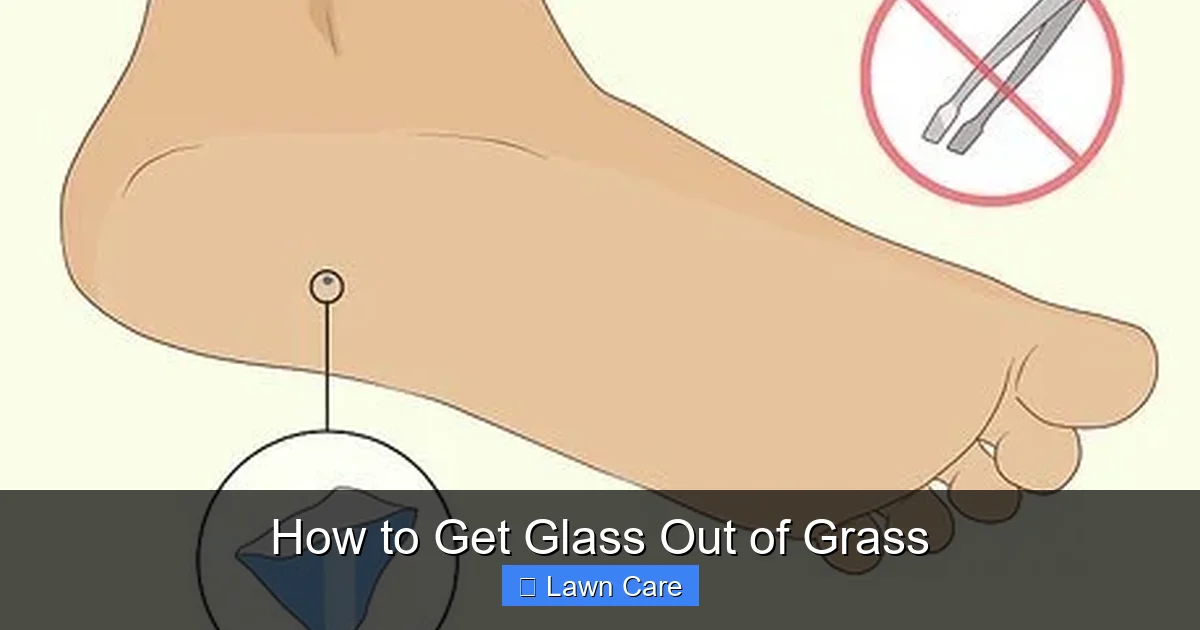
Visual guide about How to Get Glass Out of Grass
Image source: wikihow.com
The moment you discover glass on your lawn, your first priority is safety.
H3: Stop All Activity
If children or pets are playing in the yard, stop them immediately. Do not let them continue to play in the area where the glass is.
H3: Secure the Area
If possible, temporarily block off the area where the glass is located. Use cones, caution tape, or even furniture to create a barrier. This prevents accidental re-entry before you can begin the clean-up process. Inform other members of your household about the hazard.
Step 2: Gear Up for Safety
Visual guide about How to Get Glass Out of Grass
Image source: verywellhealth.com
Handling broken glass requires protection. Don’t skip this step, even if the glass pieces appear small.
H3: Wear Thick Gloves
Always wear thick, puncture-resistant gloves. Gardening gloves, work gloves, or even heavy-duty rubber gloves are good options. Avoid thin latex or nitrile gloves as they offer little protection against sharp glass.
H3: Protect Your Eyes
Wear safety glasses or goggles. Tiny shards of glass can fly up unexpectedly when you’re raking or sweeping, and getting them in your eyes can be extremely dangerous.
H3: Wear Sturdy Footwear
Ensure you are wearing closed-toe, sturdy shoes. This will protect your feet from any glass that might be stepped on during the clean-up.
Step 3: The Visual Sweep
Visual guide about How to Get Glass Out of Grass
Image source: wikihow.com
This is where the detailed work begins. You need to meticulously scan your lawn to find as much of the broken glass as possible.
H3: Start at the Source
Begin your search at the spot where you believe the glass broke. This gives you a starting point and helps you estimate the spread.
H3: Systematic Grid Search
Work your way across the lawn in a systematic pattern, like a grid. Divide your lawn into sections and inspect each section thoroughly before moving to the next. This ensures you don’t miss any areas.
H3: Get Low
Crouch down to eye level with the grass. Often, glass fragments blend in with the lawn, especially if they are small. Getting closer to the ground will help you spot them. Look for glints of light reflecting off the glass.
H3: Check Under Foliage
Pay attention to areas where grass is thicker or where there might be fallen leaves or other debris. Glass can hide beneath these.
Step 4: Collection Techniques
Once you start spotting glass, it’s time to collect it safely.
H3: Large Pieces First
Use tongs, pliers, or tweezers to pick up the larger, more visible pieces of glass. Carefully place them into a designated container.
H3: The Sweeping Method
For smaller fragments, a stiff-bristled broom or a garden rake can be helpful. Gently sweep the glass into a pile. Be careful not to scatter the glass further. A dustpan with a rubber edge can help scoop up the gathered pieces.
H3: The Wet Towel Trick
For extremely small or almost invisible shards, a slightly damp, thick towel can work wonders. Gently press the towel onto the grass. The tiny glass fragments will often adhere to the damp fibers. Fold the towel over carefully after each press to keep the glass contained.
H3: Vacuuming for Fine Shards
If you have a shop vac or a powerful outdoor vacuum, this can be an effective way to pick up tiny fragments. Make sure the vacuum bag or canister is suitable for fine debris and empty it carefully afterward.
Step 5: Dealing with Smaller, Harder-to-Find Glass
Sometimes, despite your best efforts, tiny shards remain.
H3: Repeat the Process
You may need to repeat the visual sweep and collection techniques multiple times. It’s better to be overly cautious than to leave dangerous fragments behind.
H3: Consider a Leaf Blower (with Caution)
A leaf blower can sometimes be used to gather larger debris, but it can also scatter small glass fragments. If you choose to use one, do so on the lowest setting and direct the airflow towards your collection area. Be sure to wear your safety glasses.
H3: The “Roller” Method
Some people have success by using a garden roller. The weight can press small glass pieces into the soil, making them less likely to be picked up by shoes or paws. However, this method is not foolproof and should be combined with other techniques.
Step 6: Post-Collection Disposal
Simply gathering the glass isn’t enough; you need to dispose of it safely.
H3: Use a Sturdy Container
Place the collected glass into a thick plastic bag or a sturdy cardboard box. Double-bagging is a good idea.
H3: Label Clearly
Mark the bag or box clearly with “BROKEN GLASS” to warn sanitation workers and anyone else who might handle it.
H3: Proper Waste Disposal
Check your local waste disposal guidelines. Some areas have specific procedures for disposing of broken glass. Typically, it can go in your regular trash, but it’s always best to be sure.
Step 7: Final Lawn Inspection and Care
After you believe you’ve removed all the glass, take these final steps.
H3: One Last Visual Check
Do one final, thorough visual sweep of the entire lawn, especially the areas you focused on.
H3: Mow Carefully (Optional but Recommended)
Consider mowing the lawn after you’ve done your best to remove all the glass. Bag the clippings. This can pick up any remaining tiny fragments. If you have a mulching mower, this is not recommended as it can just chop the glass finer.
H3: Watering
Watering your lawn can help settle any remaining fine glass dust into the soil, making it less likely to be kicked up.
Troubleshooting: What If You Miss Something?
Accidents happen, and it’s possible that some glass was missed.
H3: What if my pet or child gets cut?
If any cuts occur, clean the wound thoroughly with soap and water. Apply antiseptic and a bandage. Monitor the wound for signs of infection (redness, swelling, pus, increased pain, fever). If you have any concerns, seek medical attention immediately. For deeper cuts, or if you suspect glass fragments remain embedded, consult a doctor or veterinarian.
H3: My lawnmower seems to have picked up glass. What do I do?
If you suspect your lawnmower has glass in it, stop using it. Carefully inspect the blades and the mower deck. You may need to wear your thick gloves and safety glasses to do this. Empty the grass catcher bag immediately and dispose of its contents safely. If you can’t remove all the glass from the mower, consider having it professionally serviced.
Preventing Future Glass Breakage
Prevention is always better than cure. Here are some ways to reduce the risk of glass breaking in your lawn:
H3: Designated Outdoor Areas
If you’re having a party or picnic, create a designated area for food and drinks, preferably on a patio, deck, or a sturdy picnic table. Use non-glass alternatives for serving when possible, especially in high-traffic areas of the lawn.
H3: Careful Handling of Glassware
Be mindful when carrying glasses or bottles outdoors. Consider using plastic or metal drinkware for outdoor events.
H3: Secure Decorations
If you use glass items for outdoor decorations, ensure they are securely placed and unlikely to be knocked over by wind, pets, or children.
H3: Monitor for Damage
Periodically inspect any outdoor structures or garden features that might have glass elements for signs of damage or wear.
H3: Keep Lawn Areas Clear
Avoid storing or leaving glass items in the yard unattended.
When to Call a Professional
In most cases, you can safely and effectively remove glass from your lawn yourself. However, if you are dealing with a very large amount of broken glass, or if the glass is deeply embedded in the soil and you cannot safely remove it, it may be time to call a professional landscaping or lawn care service. They have specialized equipment and expertise to handle such situations.
Conclusion
Discovering broken glass in your grass is unsettling, but by following these steps, you can systematically and safely remove the hazard. Remember to prioritize safety for yourself and others by wearing appropriate protective gear and taking your time. A thorough visual inspection, careful collection, and proper disposal are key. By implementing preventative measures, you can also significantly reduce the chances of this dangerous situation arising again. Your lawn should be a place of relaxation and fun, not a source of worry. With a little effort, you can ensure your grass is as safe as it is beautiful.
For other lawn-related cleaning tasks, you might find our guides on how to get grass stains out of clothes or how to get grass stains out of white shoes helpful after your lawn is safe again.