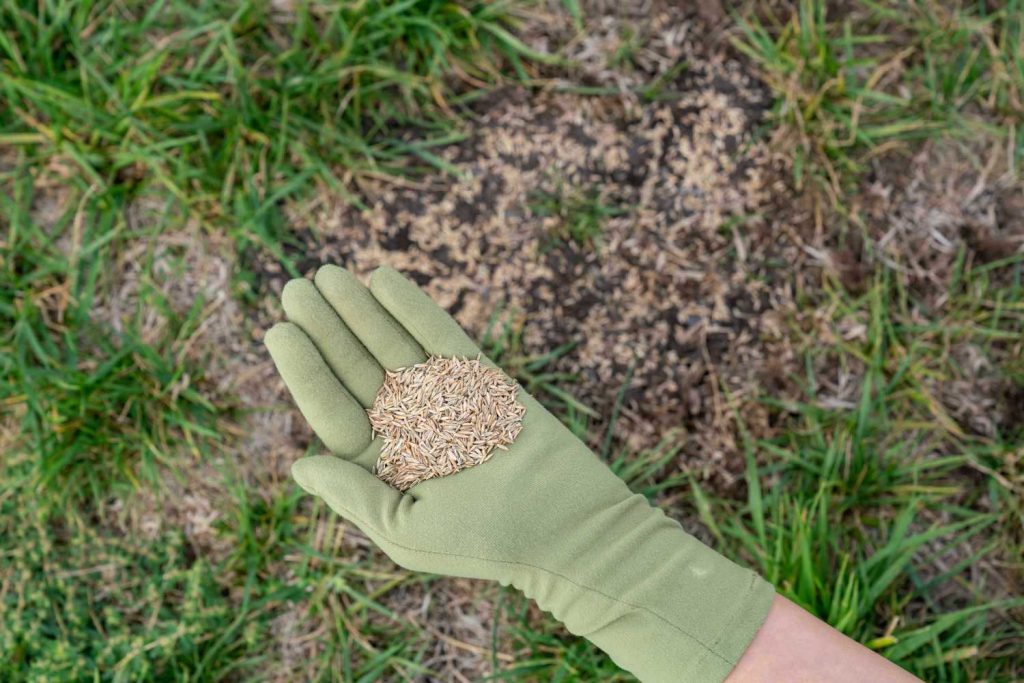
If you’re dealing with patchy grass in your yard, the quickest fix is to assess the areas that need attention, gently rake the soil, and reseed those spots with quality grass seed. Water the newly seeded areas regularly, and consider applying a light fertilizer to encourage growth.
Patchy grass can be frustrating for homeowners who take pride in their lawns. Whether it’s caused by heavy foot traffic, poor soil quality, or pest issues, patches of bare ground can detract from the overall beauty of your outdoor space. Fortunately, with a bit of effort and the right techniques, you can rejuvenate your lawn and restore its lush appearance. In this guide, we’ll explore effective methods to tackle patchy grass, ensuring that your yard becomes the envy of the neighborhood. Let’s get started on turning those brown spots into vibrant green grass!

How to Fix Patchy Grass: A Complete Guide
Having a lush, green lawn is a dream for many homeowners. However, patchy grass can turn that dream into a nightmare. Let’s explore effective methods to fix patchy grass and revive your lawn.
Identifying the Causes of Patchy Grass
Before you can fix patchy grass, it’s essential to understand what’s causing the issue. Several factors contribute to unhealthy lawn patches.
- Soil Compaction: When soil is compacted, roots cannot grow properly, leading to patchy areas.
- Pests and Diseases: Insects and fungal infections can damage grass, creating bare spots.
- Environmental Stress: Extreme weather conditions like drought or heavy rainfall can contribute to patchy grass.
- Improper Mowing: Cutting grass too short can weaken it, making it more susceptible to damage.
Recognizing these causes is the first step in determining how to treat your lawn.
Assessing the Lawn’s Health
Conducting a thorough lawn assessment is vital. Walk around and observe the areas that are patchy. Look for:
- Color differences: Darker greens vs. browner patches.
- Texture: Rough areas versus smoother, healthier sections.
- Presence of weeds: Weeds can indicate poor grass health.
Take notes on each section’s conditions. This will help you create a targeted plan.
Improving Soil Conditions
Soil health plays a significant role in grass growth. Here’s how to improve it:
Testing Soil pH
Start with a soil test to determine its pH level. Grass generally thrives in a pH range of 6.0 to 7.5. You can purchase a soil test kit from a local garden center.
Amending the Soil
Based on the test results:
- If the soil is too acidic, add lime.
- If it’s too alkaline, incorporate sulfur.
These amendments will help create a healthier environment for grass growth.
Seed Selection for Patchy Areas
Choosing the right type of grass seed is crucial for patchy areas. Consider the following:
- Climate: Select seeds that thrive in your local climate.
- Sunlight: Determine how much sun the area gets; choose accordingly.
- Foot Traffic: For high-traffic areas, opt for durable grass types.
Using appropriate seeds will set your lawn up for success.
Repairing the Patchy Areas
Once you identify the causes, it’s time to repair the patches. Follow these steps:
Raking and Aerating
– Start by raking the patchy areas to remove debris.
– Aerate the soil with a lawn aerator to alleviate compaction. This allows air, water, and nutrients to reach the roots easily.
Seeding
After aerating, follow these steps:
1. Spread grass seed evenly over the patchy areas.
2. Use a seed spreader for larger areas to ensure even distribution.
Covering Seeds
Lightly cover the seeds with soil or mulch. This protects them and retains moisture.
Watering Guidelines
Proper watering is crucial for seed germination.
Watering Schedule
– Water newly seeded areas every day for the first week.
– After that, reduce to every other day, allowing the topsoil to dry out between waterings.
Rainy Conditions
If the weather is particularly rainy, adjust your watering schedule to prevent over-saturation.
Fertilization for Growth
Fertilizing your lawn after seeding will promote growth.
- Choose the Right Fertilizer: Look for a starter fertilizer with a balanced NPK ratio.
- Timing: Fertilize approximately two weeks after seeding.
This boost will help establish the new grass.
Regular Lawn Maintenance
Now that you’ve fixed the patchy grass, regular maintenance is critical.
Mowing
– Keep your mower blades sharp.
– Aim to cut only one-third of the grass height at a time.
This practice will promote healthy growth and discourage weeds.
Weed Control
Weeds compete for resources. Use a selective herbicide for your grass type and apply it according to the manufacturer’s instructions.
Dealing with Pests and Diseases
If you discover pests or diseases, addressing them is essential.
- Insect Control: Use insecticidal soap or neem oil for pest problems.
- Disease Treatment: Identify the type of disease and apply the appropriate fungicide.
Regular lawn checks can prevent significant issues.
Promoting Healthy Growth
Encourage robust grass growth with a few extra strategies:
- Mulching: Add mulch to areas needing extra protection and moisture retention.
- Plant Diversity: Mix different grass types for resilience against pests and diseases.
These tips will help keep your lawn looking lush.
Seasonal Considerations
Different seasons can affect lawn care strategies.
- Spring: Perfect for seeding and fertilizing.
- Summer: Focus on watering and pest control.
- Fall: Ideal for aeration and overseeding.
Adjusting your care based on the season will lead to healthier grass.
Evaluate and Repeat
After taking these steps, monitor your lawn’s progress.
– Check for new growth.
– Look for any lingering issues.
If problems persist, consider revisiting your approach or consulting a local lawn care expert.
Achieving a beautiful, green lawn takes time and effort, but by addressing the causes of patchy grass and applying the right methods, you can restore the health of your lawn. With patience and diligence, your lawn can become the envy of the neighborhood.
HOW TO FIX YOUR PATCHY LAWN *IN JUST 3 WEEKS*
Frequently Asked Questions
What are the common causes of patchy grass?
Several factors contribute to patchy grass, including poor soil quality, improper watering, inadequate sunlight, and pest infestations. Additionally, diseases such as fungus can create dead spots in your lawn. Identifying the underlying cause is essential in effectively addressing the patches.
How can I improve soil health to promote even grass growth?
To enhance soil health, conduct a soil test to determine its nutrient levels and pH balance. Based on the results, you can amend the soil with organic matter, such as compost, and the necessary fertilizers. Aerating the soil also helps improve drainage and root penetration, promoting healthier grass growth.
What steps should I take to effectively reseed patchy areas?
Begin by cleaning the area of any debris and dead grass. Loosen the top layer of soil using a rake to improve seed-to-soil contact. Then, spread grass seed evenly over the patches, lightly press it into the soil, and cover it with a thin layer of mulch. Keep the area consistently moist until the new grass establishes itself.
How can I prevent future patches from forming in my lawn?
To prevent future patchiness, maintain a regular mowing schedule, water your lawn appropriately, and fertilize it at least twice a year. Monitor your lawn for signs of pests and diseases, and address any issues promptly. Additionally, ensure your lawn receives adequate sunlight by trimming back surrounding plants or trees.
What role does watering play in maintaining healthy grass?
Proper watering is crucial for a healthy lawn. Aim to water deeply and infrequently, allowing the soil to dry out between sessions. This encourages deeper root growth. Early morning is the best time to water, minimizing evaporation and allowing the grass to recover before the day’s heat.
How can I identify and treat grass pests effectively?
Regularly inspect your lawn for signs of pests, such as discolored patches or visible insects. Research common pests in your area to identify them accurately. Use targeted treatments, such as insecticidal soap or organic solutions, to manage infestations. Following up with preventive measures can help keep pests at bay.
Final Thoughts
To fix patchy grass, start by identifying the underlying issues such as poor soil quality or inadequate sunlight. Address these problems by aerating the soil and ensuring proper drainage.
Next, reseed the affected areas with a suitable grass variety and keep the soil consistently moist until the new grass establishes. Regularly mowing and appropriate fertilization will help promote healthy growth.
By following these steps, you can effectively enhance your lawn’s appearance and ensure it stays vibrant and lush. Remember, knowing how to fix patchy grass is essential for maintaining a beautiful yard.