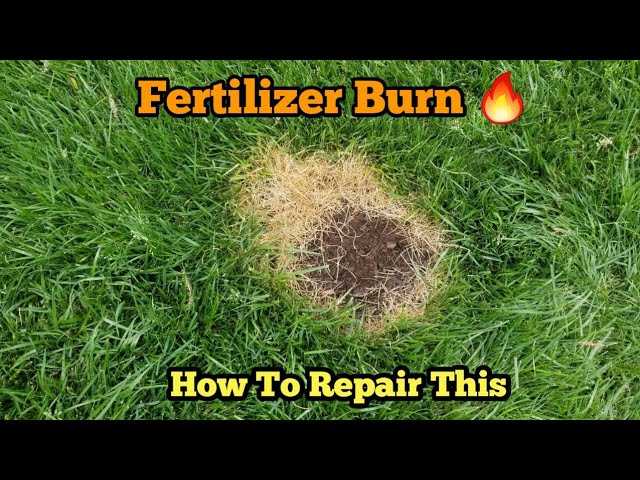
If your lawn has turned yellow and patchy after fertilizing, don’t panic—quick action can restore its lush look. To fix a lawn burned by fertilizer, you should immediately water the area thoroughly to dilute the chemicals, remove any excess fertilizer, and give your grass time to recover with proper watering and care. Reseeding or patching damaged spots might also be necessary for a full comeback.
Fertilizer burn happens when too much fertilizer is applied or the nutrients sit on the grass without proper watering, leading to root damage. Fixing the problem involves flushing out the excess nutrients with water, removing the dead grass, and applying grass seed or overseeding to promote new growth. Acting quickly and carefully can save your lawn from permanent damage and bring it back to life.

How to fix lawn burned by fertilizer
If your lawn has turned brown or scorched after applying fertilizer, don’t worry. There are steps you can take to help your grass recover and restore its healthy green color. Understanding what caused the burn and how to treat it is key to fixing the damage efficiently.
Understanding fertilizer burn and its causes
Fertilizer burn occurs when too much fertilizer is applied or when it is not properly watered in. This overload of nutrients causes the grass to dehydrate and die back. Common causes include over-fertilizing, applying fertilizer during hot or drought conditions, or using the wrong type of fertilizer for your grass type.
Recognizing the signs of fertilizer burn
Look for yellowing or browning patches in your lawn. The affected areas may feel dry and brittle. Sometimes, the edges of the burned patches are crispy or appear to be “scorched.” Noticing these signs early helps you take prompt action.
Immediate steps to take after fertilizer burn
1. Rinse the lawn thoroughly with water
The first step is to flush out excess fertilizer. Use a garden hose to water the lawn heavily. This helps dilute fertilizer salts in the soil, reducing their toxic effects.
2. Avoid adding more fertilizer
Hold off on applying any additional fertilizer until your lawn recovers. Giving the grass time to heal is critical for proper recovery.
3. Keep off the lawn
Protect the damaged grass from foot traffic. Walking on burnt lawns can further stress the grass and slow recovery.
How to repair and revive your lawn
Reseeding and patching
For patches where grass has died completely, reseeding is a good idea. Use high-quality grass seed suited for your region. Lightly rake the area, remove debris, and spread the seed evenly. Keep the soil moist to encourage germination.
Applying compost or topsoil
Adding a layer of compost or topsoil over the damaged areas can improve soil quality. This encourages healthy root growth and helps the grass establish faster. Be sure to lightly water after applying.
Maintaining proper watering practices
Water deeply and less frequently to promote deep root growth. Aim for about one inch of water per week, including rainfall. Consistent watering aids recovery and prevents further stress.
Soil testing and amendments
Why soil testing matters
Testing your soil helps determine its pH and nutrient levels. Fertilizer burn can be exacerbated by poor soil conditions or imbalance. A soil test guides you to make precise amendments.
Adjusting soil pH and nutrients
If the soil is too acidic or alkaline, adding lime or sulfur can balance pH levels. Incorporate nutrients like iron or magnesium if deficiencies are identified. Follow recommendations from your soil test report for best results.
Choosing the right fertilizer to prevent future burns
Opt for slow-release fertilizers
Slow-release fertilizers provide nutrients gradually, reducing the risk of over-application. They are safer for your lawn and promote steady growth.
Apply fertilizer at the right time
Timing is critical—apply fertilizer during active growth periods for your grass type. Avoid fertilizing during extreme heat or drought conditions.
Follow recommended application rates
Always adhere to the label instructions. Using the correct amount prevents excess salts and minimizes the chance of burn.
Additional lawn care tips for recovery
- Regular mowing: Keep your grass at the recommended height for your grass type, which encourages healthy growth and shade prevention of weeds.
- Weed control: Keep weeds at bay to prevent competition for nutrients and water during recovery.
- Aeration: Aerate your lawn to improve air and water penetration into the soil, helping roots recover faster.
Preventing fertilizer burn in the future
Prevention is better than cure. Always follow proper fertilization techniques to avoid damage. Use a spreader for even application and stay within the recommended rates.
Proper watering after fertilization
Make sure to water your lawn well after fertilizing to wash away excess salts and help nutrients penetrate the soil. This reduces the chance of salt buildup leading to burn.
Monitoring weather conditions
Avoid fertilizing during hot, dry, or windy days. These conditions increase the risk of fertilizer burn and dehydration of your grass.
Seeking professional help if needed
If damage is extensive or recovery seems slow, consider consulting a lawn care professional. They can assess the soil and grass condition and recommend tailored solutions.
By understanding how fertilizer burn occurs and following these corrective steps, you can help your lawn heal and thrive once again. Patience and proper care will restore your grass to its lush, vibrant state.
Frequently Asked Questions
What steps can I take to promote grass recovery after fertilizer burn?
To encourage your lawn’s recovery, start by watering the affected area thoroughly to flush out excess fertilizer. Avoid applying additional fertilizer until the grass shows signs of improvement. Consider aerating the soil to improve drainage and reduce fertilizer concentration. You can also overseed the damaged patches with healthy grass seed to fill in bare or burned spots. Regular watering and proper mowing practices will support new growth and help the lawn regain its health.
How can I prevent fertilizer burn in the future?
Prevent fertilizer burn by following the manufacturer’s instructions carefully, especially regarding application rates and timing. Always water the lawn before and after applying fertilizer to prevent the chemicals from sitting on the blades and roots. Use a balanced or slow-release fertilizer to reduce the risk of over-concentration. Test your soil regularly to determine its nutrient needs, and avoid applying fertilizer during periods of extreme heat or drought, which can make grass more vulnerable to damage.
Are there natural remedies that can help repair a burned lawn?
Yes, natural remedies can assist in lawn recovery. Applying compost or organic mulch can boost soil nutrients and encourage grass regrowth. Aerate the lawn to improve air and water penetration, which helps the grass recover more quickly. Additionally, watering deeply and consistently supports the healing process, while avoiding further chemical treatments helps maintain a healthy environment for beneficial microbes that aid in turf repair. Patience is key, as natural recovery takes time.
Final Thoughts
To fix lawn burned by fertilizer, start by watering the affected area thoroughly to dilute the chemical. Remove any dead or severely damaged grass to encourage healthy new growth. Consider applying a light layer of compost to help the soil recover.
Avoid applying more fertilizer until the lawn shows signs of recovery. Maintain regular watering and mowing to support healing. Patience is key as the grass regrows.
How to fix lawn burned by fertilizer involves proper watering, removing damaged grass, and caring for the soil. Taking these steps can restore your lawn’s health efficiently and effectively.