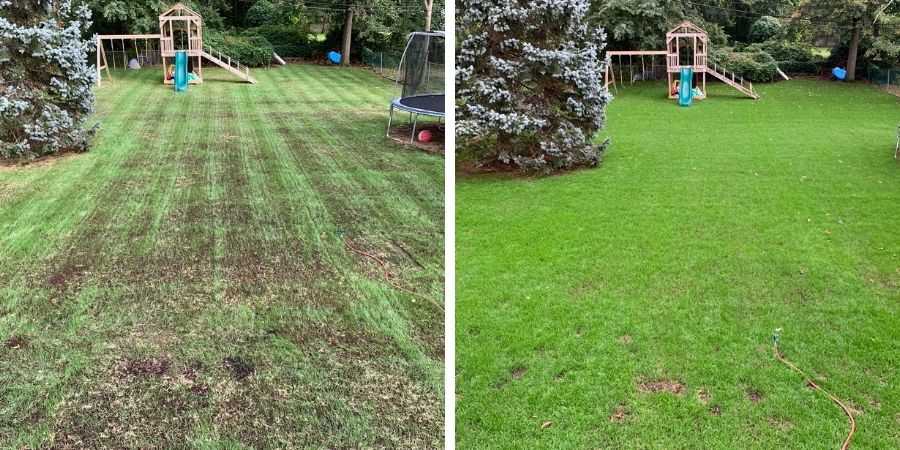
To repair your lawn after a drought, start by watering thoroughly to revive the grass, then aerate the soil to improve water absorption. Reseed bare patches and apply a suitable fertilizer to promote healthy growth, ensuring your lawn bounces back lush and green.
If your lawn has suffered from a drought, quick action is key to restoring its vitality. Begin with deep watering to moisten the soil and encourage grass roots to grow deeper. Follow up by aerating compacted areas to allow better water and nutrient penetration. Reseed or patch bare spots and apply a nutrient-rich fertilizer to give your lawn the boost it needs. With patience and proper care, your lawn can recover from drought stress and flourish once again.
A drought can turn your lush, green lawn into a patchy, brown mess, leaving you feeling frustrated. But don’t worry—repairing it is simpler than you might think. The first step is to assess the damage and give your grass a good soak to encourage new growth. Aerating the soil helps water and nutrients reach the roots more effectively, while reseeding bare patches jump-starts the recovery process. Applying the right fertilizer will help your grass regain strength and vibrancy. With consistent care, your lawn will soon be thriving again, transforming from drought-stressed to beautiful and lush.

How to Repair Lawn After Drought
Understanding the Damage Caused by Drought
Drought can cause significant damage to your lawn, turning lush green grass into brown patches. The lack of water stresses the grass plants, leading to dehydration and eventual death. Recognizing the extent of this damage helps in planning effective repair strategies.
Brown or yellowed patches are common signs of drought stress. Sometimes, the grass may seem compacted or “crusty,” making it harder for roots to access moisture. Soil may also become hard and less permeable, preventing water from seeping in effectively.
The type of grass plays a role in how drought impacts it. Cool-season grasses like bluegrass and fescue are often more resilient but can still suffer. Warm-season grasses such as Bermuda and zoysia tend to go dormant but need specific care during recovery.
Assessing Your Lawn’s Condition
Before starting repairs, evaluate how badly your lawn is affected. Check the color, texture, and root health of your grass.
Pull gently on the grass blades; if they come up easily, roots are weak or dead. Dig small sections to examine soil moisture levels; dry soil indicates the need for deep watering.
Identify which areas are completely dead and which are merely dormant. This helps in deciding whether patching, reseeding, or overseeding is necessary.
Preparing Your Lawn for Repair
Proper preparation is key for a successful rescue. First, remove any dead grass and debris from the affected areas. This creates a clean surface for new seeds or sod to root.
Loosen the soil using a rake or garden fork to improve aeration, which helps roots establish better. If the soil is compacted, consider aerating the lawn to boost water absorption and nutrient penetration.
Test your soil’s pH and nutrient levels. Adjustments, like adding lime or fertilizer, may be necessary to restore the soil’s health and support new growth.
Watering Strategies for Recovery
Deep, infrequent watering encourages deep root growth, making the grass more drought-resistant in the future. Water your lawn early in the morning to reduce evaporation.
Aim for at least one inch of water per session, applying it slowly to ensure it penetrates deeply. Use a rain gauge or empty can to measure water amount during watering.
Avoid frequent, shallow watering, as this can promote shallow root systems that are vulnerable to drought. Consistency is essential, especially during recovery periods.
Re-seeding and Overseeding Techniques
Re-seeding helps to fill in brown patches and revitalize dormant or dead grass. Choose a seed appropriate for your climate and grass type.
Scatter seeds evenly over prepared soil, then cover lightly with soil or compost. Maintaining consistent moisture during germination is crucial for good germination rates.
Consider overseeding the entire lawn if damage is widespread. This creates a more uniform look and improves overall lawn resilience.
Choosing the Right Grass Seed
Select seed varieties that are drought-tolerant and suited for your climate zone. Warm-season grasses often recover quickly in hot weather, while cool-season grasses thrive in cooler temperatures.
Look for certified seeds with high germination rates. You might also choose blends of grasses for increased resilience.
Including native grasses or drought-resistant varieties helps your lawn withstand future droughts better.
Fertilization for Improved Growth
Once the grass begins to recover, fertilization boosts growth and strengthens roots. Use a balanced, slow-release fertilizer suited for your grass type.
Apply fertilizer during the growing season, following manufacturer instructions for quantity and frequency. Avoid over-fertilization, which can stress recovering grass.
Incorporate organic options like compost or composted manure to add nutrients naturally. Healthy soil with ample nutrients encourages deeper roots and greener growth.
Addressing Soil Quality and Improving Drainage
Good soil health is fundamental to drought recovery. Incorporate soil amendments such as compost to improve texture and water retention.
If your soil is compacted or poorly draining, consider aeration and adding organic matter. These steps enhance water movement and root access.
For lawns with poor drainage, install proper grading or drainage systems to prevent water runoff and pooling that can damage roots.
Controlling Weeds and Pests
Weeds can quickly invade a stressed lawn, competing for water and nutrients. Remove weeds manually or apply targeted herbicides as needed.
Inspect for pests that may weaken your grass further. Use environmentally friendly pest control methods to avoid harming your lawn or surrounding environment.
Healthy, dense grass is your best defense against weeds and pests. Proper watering, fertilization, and mowing help maintain this resilience.
Maintaining a Healthy Lawn Post-Recovery
Ongoing maintenance ensures your lawn remains resilient against future droughts. Mow at the correct height for your grass type, avoiding cutting too short.
Regular watering, especially during dry spells, helps the grass stay healthy. Aerate your lawn annually to promote root growth and nutrient absorption.
Apply mulch or topdress with compost periodically to retain moisture and improve soil quality. Monitor your lawn regularly to catch issues early.
Preventive Measures to Minimize Future Drought Damage
Implementing drought-tolerant landscaping reduces water dependence. Use native plants and drought-resistant grass varieties whenever possible.
Install rain barrels and drip irrigation systems to conserve water and target specific areas efficiently. Mulch around plants to minimize evaporation.
Schedule watering and lawn care routines based on weather conditions and soil moisture levels. Regularly test your soil to maintain optimal pH and nutrient balance.
Additional Tips and Resources
Looking after your lawn after a drought involves patience and consistent care. Consider consulting local lawn care experts for tailored advice.
Research native grasses suitable for your region to improve drought resilience. Use online tools and guides to better understand local climate conditions and soil types.
Join community gardening groups or forums online to share knowledge and get support during recovery efforts.
Ensuring your lawn recovers well after drought requires a combination of proper assessment, soil improvement, strategic watering, and ongoing maintenance. Taking time to understand your specific lawn conditions helps you make the best decisions for a healthy, vibrant yard.
Frequently Asked Questions
What steps can I take to support new grass growth after a drought?
Start by removing debris and dead grass to prepare the soil. Aerate the lawn to improve water absorption and root growth. Apply a thin layer of compost or organic fertilizer to boost soil nutrients. Water the area deeply and consistently to encourage healthy grass development. Consider overseeding with drought-tolerant grass varieties to establish a resilient lawn.
How do I improve soil health to promote recovery after drought damage?
Test the soil to identify deficiencies and amend it accordingly with organic matter or fertilizers. Loosen compacted soil through aeration to facilitate water and nutrient penetration. Incorporate organic compost to enrich the soil structure and promote microbial activity. Healthy soil supports strong grass roots, helping your lawn recover more effectively.
What watering practices should I follow to restore my lawn after a drought?
Water deeply and infrequently to encourage deep root growth. Use a sprinkler or hose with a spray nozzle to ensure even coverage. Water early in the morning or late in the evening to minimize evaporation. Adjust your watering schedule based on weather conditions and soil moisture levels to keep the lawn consistently moist without overwatering.
How can I prevent future drought stress on my lawn?
Implement a drought-resistant grass variety suited to your climate. Improve soil drainage and aeration to prevent water runoff and promote absorption. Mulch around plants and grass to retain soil moisture. Reduce lawn traffic during dry periods and apply mulch or organic matter to protect roots from heat stress. Regular maintenance helps your lawn withstand drought conditions better.
Final Thoughts
Pour réparer une pelouse après une sécheresse, commencez par enlever les zones mortes. Arrosez profondément pour encourager la croissance de nouvelles plantes. Ajoutez du compost pour améliorer la santé du sol.
Réensemence les zones dégarnies avec de nouvelles semences adaptées à votre climat. Maintenez une irrigation régulière pour éviter de futures sécheresses. Une attention constante assurera une pelouse verte et saine.
How to repair lawn after drought? En suivant ces étapes simples, vous pouvez revitaliser votre pelouse efficacement. Adaptez votre entretien pour maintenir un aspect luxuriant malgré les défis climatiques.