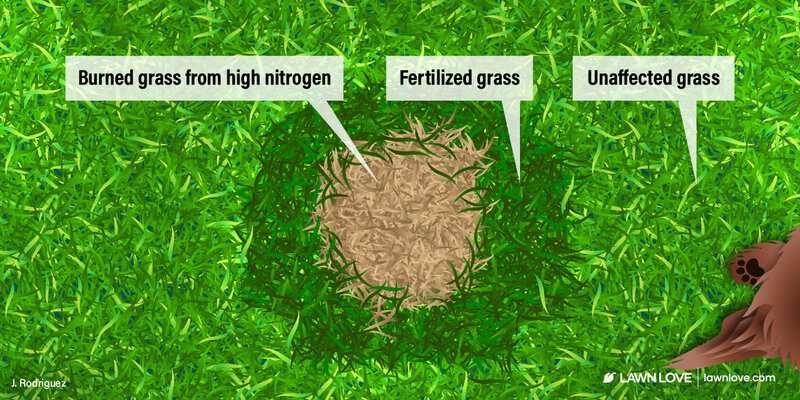
Dead grass from dog urine can be a frustrating issue for pet owners, but there are effective ways to revive your lawn. The key is to dilute the urine and replenish the nutrients in your grass. Start by thoroughly watering the affected areas immediately after your dog urinates. This helps to wash away the concentrated salts that can harm the grass. Additionally, consider applying a patch repair product or reseeding the dead spots with a suitable grass type. Using a natural soil conditioner can also help restore the soil’s health, promoting greener growth. With a little patience and care, you can bring your lawn back to life and enjoy a beautiful yard again.

How to Fix Dead Grass from Dog Urine
Dog owners love their furry friends, but sometimes, that love can lead to challenges, especially when it comes to the lawn. Dog urine can cause patches of dead grass, leaving many pet parents wondering how they can restore their yard. Fortunately, there are several effective methods to fix dead grass caused by dog urine.
Understanding the Problem
Before jumping into solutions, it’s essential to understand why dog urine causes grass to die. Dog urine contains nitrogen, which, in small amounts, is beneficial for grass. However, concentrated urine can lead to “burn” spots, making the grass crispy and brown.
What Makes Dog Urine Harmful?
– **High Nitrogen Content**: The primary culprit in dog urine is nitrogen. While it helps plants grow, too much nitrogen can lead to grass burning.
– **pH Levels**: Dog urine can alter the pH level in the soil, creating an unfavorable environment for grass growth.
– **Dehydration**: Urine can remove moisture from the grass, leading to wilting and death.
Understanding these factors gives you insights into fixing the problem effectively.
Immediate Actions to Take
The first step in addressing dead grass is to act quickly. Here are immediate actions you can take when you notice brown patches:
Water the Affected Area
– **Dilute the Urine**: The first step is to water the area thoroughly to dilute the nitrogen. This helps reduce the concentration and mitigates further damage.
– **Frequency**: Aim for at least 1-2 inches of water to soak the area. This should be done soon after spotting a brown patch.
Assess the Damage
– **Identify the Size**: Check how big the dead area is. Smaller patches may require less intensive treatment than larger ones.
– **Determine Grass Type**: Knowing your grass type will help you select the right repair method. Common varieties include Bermuda, Kentucky Bluegrass, and Fescue.
Repairing Dead Grass Patches
Once you’ve acted quickly, it’s time to focus on repairing the affected areas. Here’s how to do that:
Reseeding the Patches
– **Choose the Right Seed**: Opt for a grass seed that matches your existing lawn. For example, if you have Fescue, use Fescue seed.
– **Prepare the Soil**: Loosen the soil in the dead patch area and sprinkle the grass seeds evenly.
– **Keep Moist**: Water the newly seeded area regularly to promote germination.
Using Grass Plugs or Sod
– **Grass Plugs**: If the patches are extensive, consider using grass plugs. Cut squares of healthy grass from a different location and place them in the damaged area.
– **Sod**: For a quick fix, laying sod is effective. Cut the sod pieces to fit the size of the dead area and ensure they are well-watered.
Soil Amendments
– **Adding Compost**: Mix compost into the soil to improve nutrient levels. This helps in restoring the grass’s health.
– **pH Balancing**: Test the soil pH. If needed, add lime to raise the pH or sulfur to lower it.
Long-term Solutions to Prevent Damage
To ensure that dog urine doesn’t keep causing brown patches, it’s important to implement long-term strategies.
Designated Potty Areas
– **Create a Dog Potty Zone**: Train your dog to use a designated area for their bathroom needs. This helps keep your lawn intact.
– **Use Gravel or Mulch**: Lay down gravel or mulch in the designated potty area to easily manage spots.
Choose Dog-Friendly Grasses
– **Establish a More Resilient Lawn**: Some grass types withstand dog urine better than others. Consider planting:
– Kentucky Bluegrass
– Perennial Ryegrass
– Tall Fescue
These grass types are more tolerant and can better bounce back from urine exposure.
Maintaining a Healthy Lawn
A healthy lawn is less susceptible to damage from dog urine. Here are some maintenance tips:
Regular Watering Schedule
– **Stick to a Schedule**: Water the lawn deeply and infrequently rather than lightly and often. This strengthens root systems.
– **Time of Day**: Water early in the morning or late in the afternoon to minimize evaporation.
Proper Fertilization
– **Balanced Fertilizers**: Use balanced fertilizers with nitrogen, phosphorus, and potassium to support healthy grass growth.
– **Follow Recommended Guidelines**: Always follow the recommended guidelines for application rates to avoid excess nitrogen.
Routine Lawn Care Practices
– **Mowing**: Mow your lawn regularly to encourage growth. Keep the mower blade high to avoid stressing the grass.
– **Aeration**: Aerate your lawn at least once a year to improve air circulation and nutrient absorption.
Managing Your Dog’s Diet
An often-overlooked factor in dog urine’s impact on lawns is the dog’s diet. Here’s how to manage that:
Evaluate Your Dog’s Food
– **High-Quality Dog Food**: Feed your dog high-quality, balanced food. Low-quality food may lead to higher nitrogen content in urine.
– **Hydration**: Encourage your dog to drink more water. This dilutes urine and minimizes its impact on grass.
Supplements for Dogs
– **Dietary Supplements**: Consider supplements, like those that help balance urine pH. Consult with your veterinarian for recommendations.
– **Frequent Bathroom Breaks**: Let your dog out more often, so they don’t hold in urine, which can increase concentration.
Dealing with Existing Brown Spots
Now, if you find yourself with stubborn brown patches, there are alternative methods to handle them.
Natural Remedies
– **Baking Soda**: Mix baking soda with water to create a natural neutralizer. Spray it on affected areas.
– **Vinegar**: Dilute white vinegar with water and spray to neutralize the nitrogen content.
Commercial Products
– **Grass Repair Treatments**: There are several commercial grass repair products available. Look for ones designed to combat urine damage.
– **Soil Conditioners**: Consider using soil conditioners that can improve soil health and promote better grass growth.
Monitoring Lawn Health
After implementing these solutions, keep an eye on your grass. Regular monitoring helps ensure your hard work pays off.
Watch for Changes
– **Check for New Growth**: Keep an eye out for green shoots emerging from dead patches. This signifies recovery.
– **Stroke of Luck**: If you see no improvement after a few weeks, reassess the methods used.
Adjust Accordingly
Adapt your strategies based on what works best for your lawn. Every lawn is unique, and some methods may be more effective than others.
By taking the time to follow these steps and maintain your lawn, you can enjoy a beautiful green yard, even with a playful pup around. Fixing and preventing dead grass from dog urine is achievable with the right approach. The result will be a lush, thriving lawn that both you and your four-legged friend can enjoy.
How to Fix Dog Urine Spots on Your Lawn – Easy Fix!
Frequently Asked Questions
What steps can I take to prevent my dog’s urine from killing the grass?
To prevent your dog’s urine from harming the grass, consider training your dog to urinate in a designated area away from the lawn. You can also dilute the urine by immediately watering the spot where your dog has urinated. Additionally, consider applying a dog-friendly lawn treatment that neutralizes the nitrogen in urine, helping to protect your grass.
Can I repair dead patches in my lawn caused by dog urine?
Yes, you can repair dead patches by first removing the dead grass and loosening the soil underneath. Then, you can reseed the area with a grass type that matches your existing lawn. Water the area regularly to ensure the new seeds germinate. Applying mulch can also help retain moisture and protect the new seed from environmental stress.
Are there any specific grass types that are more resistant to dog urine?
Certain grass types are more tolerant of dog urine than others. For example, fescue and Bermuda grass tend to fare better against dog urine due to their hardiness and drought resistance. Choosing these types for your lawn can help reduce the impact of pet urine on your grass.
How can I neutralize the effects of dog urine on my lawn?
To neutralize the effects of dog urine, you can apply a mixture of water and baking soda or dish soap directly to the affected areas. This helps to balance the nitrogen content in the urine and promotes grass recovery. Regularly watering the area can also dilute the urine, minimizing damage.
Is there a way to train my dog to reduce the lawn damage caused by urine?
Training your dog to use a specific area of your yard for urination can help minimize damage to the grass. You can create a designated spot with gravel or mulch, which won’t be affected by urine. Reward your dog for using this spot, reinforcing the behavior over time.
Final Thoughts
To fix dead grass from dog urine, start by diluting the affected area with water. This helps to flush out the nitrogen and salts that cause the damage.
Next, consider reseeding or patching with new grass to promote regrowth. Regularly watering your lawn can also prevent future spots from occurring.
Using a lawn treatment specifically designed for pet urine can further support your lawn’s recovery. Following these steps will effectively address how to fix dead grass from dog urine.