To fix a Briggs and Stratton lawn mower carburetor quickly, start by cleaning the carburetor thoroughly to remove dirt and varnish buildup, then replace any damaged gaskets or parts. Adjust the carburetor settings, and if necessary, rebuild or replace the carburetor entirely to restore optimal performance.
A malfunctioning carburetor can cause your lawn mower to sputter, stall, or struggle to start. Luckily, fixing it isn’t as daunting as it seems—cleaning, adjusting, or replacing the carburetor can bring your mower back to life. In this guide, we’ll walk through practical steps to troubleshoot and repair the carburetor efficiently, saving you time and money while getting your mower ready for the grass-cutting season. Whether you’re a seasoned DIYer or just starting out, these tips will help you tackle the issue with confidence.

How to Fix a Briggs and Stratton Lawn Mower Carburetor
Understanding the Carburetor and Its Role in Your Lawn Mower
The carburetor is a small but vital part of your lawn mower’s engine. It mixes air and fuel in the right ratio, enabling the engine to run smoothly. A faulty carburetor can cause your mower to struggle or not start at all, so knowing how to fix it is essential for lawn maintenance.
Common Signs of Carburetor Problems
Your lawn mower may show several signs if the carburetor is not working correctly. These include difficulty starting, engine stalling, or poor acceleration. You might also notice a fuel leak or black smoke coming from the exhaust, indicating carburetor issues.
Tools and Supplies Needed for Repair
Before starting repairs, gather the necessary tools:
- Screwdrivers (flathead and Phillips)
- Wrench set
- Carburetor cleaner spray
- Replacement gaskets and seals
- Fuel line clamps
- Protective gloves and safety glasses
Having these ready helps ensure a smooth repair process.
Step-by-Step Guide to Fixing Your Briggs and Stratton Carburetor
Step 1: Prepare the Mower for Maintenance
Always disconnect the spark plug wire to prevent accidental starting. Move the mower to a well-ventilated area and drain any remaining fuel to avoid spills.
Step 2: Remove the Carburetor
Locate the carburetor, usually attached to the side of the engine. Unscrew the mounting bolts carefully and disconnect the fuel line, noting how everything is connected for reassembly.
Step 3: Inspect the Carburetor
Check for visible signs of damage or dirt buildup. Look for cracks, corrosion, or clogged jets that might hinder proper fuel flow. Clean the exterior with a brush and carburetor cleaner.
Step 4: Clean the Carburetor Internally
Remove the carburetor from the mower for a thorough cleaning. Use carburetor cleaner spray to dissolve dirt and varnish inside. Pay attention to the jets and passages—use a thin wire to clear any blockages carefully.
Step 5: Reassemble and Replace Parts if Necessary
Replace damaged gasket or seals with new ones. Reassemble the carburetor, ensuring all parts are tightened securely. Reattach the fuel line and other components carefully.
Step 6: Reinstall the Carburetor on the Mower
Reconnect the carburetor to the engine, tighten mounting bolts, and reattach the fuel line. Ensure all connections are tight to prevent leaks.
Step 7: Test the Mower
Refill the fuel tank with fresh gasoline. Reconnect the spark plug wire and start the mower. Observe if it starts easily and runs smoothly. If needed, adjust the carburetor screws as described below.
Adjusting the Carburetor for Optimal Performance
A properly adjusted carburetor improves engine performance and fuel efficiency. Turn the idle screw clockwise to increase engine speed or counterclockwise to reduce it. Adjust the mixture screw to get a smooth and steady engine run.
Tips for Troubleshooting Common Issues
- If the mower still stalls, check for clogged jets or dirt in the fuel line.
- Replace the air filter regularly to prevent dirt from entering the carburetor.
- Use fresh, clean fuel since old or contaminated gasoline can cause blockages.
Preventive Maintenance to Avoid Future Problems
Regular cleaning and inspection can extend your carburetor’s lifespan. Always use fresh fuel, replace air filters periodically, and check for leaks or damage. A well-maintained mower runs efficiently and saves you time and money in repairs.
Additional Tips for Fixing Briggs and Stratton Carburetors
– Use a carburetor rebuild kit for extensive damage. It typically includes gaskets, seals, and other small parts.
– Be gentle when cleaning jets and passages to avoid damaging delicate components.
– Keep the carburetor in a well-ventilated area during cleaning to avoid inhaling fumes.
Related Topics to Consider
How to Store Your Lawn Mower During Off-Season
Proper storage prevents fuel evaporation and carburetor clogging. Drain fuel or add a fuel stabilizer.
Importance of Using Correct Fuel and Oil Mixtures
Using the right fuel mixture prevents engine and carburetor damage, ensuring smooth operation.
When to Replace the Carburetor Instead of Repairing
If cleaning and minor repairs don’t work, replacing the carburetor may be more effective and save time in the long run.
Final Advice
Regular maintenance is key to keeping your Briggs and Stratton lawn mower running efficiently. By understanding how to repair the carburetor, you can save money and extend the life of your mower, ensuring a beautifully cut lawn every time.
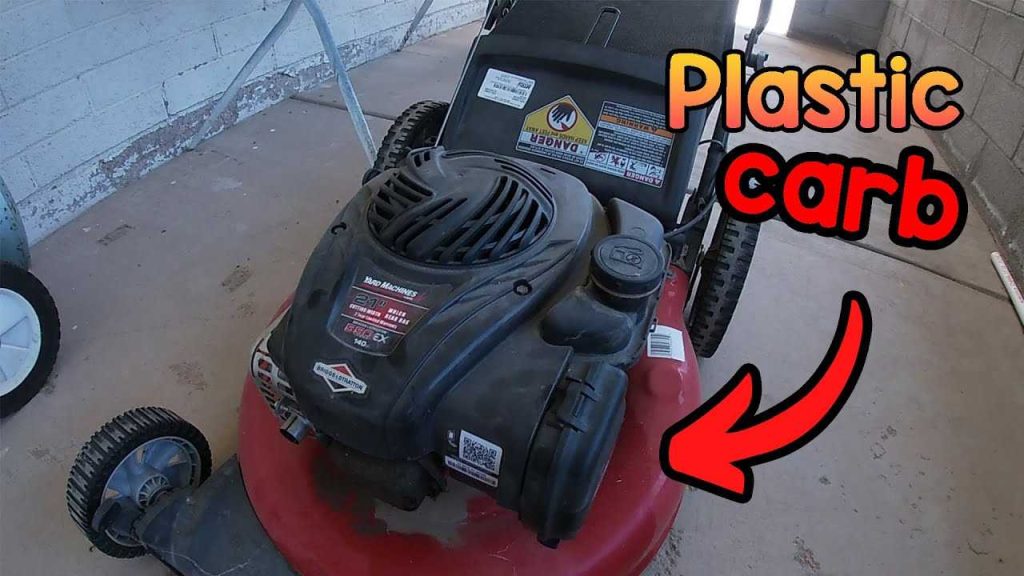
HOW TO CLEAN A CARBURETOR ON A BRIGGS & STRATTON 550EX ENGINE FOR BEGINNERS (Yard Machines Mowers)
Frequently Asked Questions
What are the common signs indicating a carburetor issue on a Briggs and Stratton lawn mower?
If your mower starts but runs rough, stalls frequently, or experiences difficulty starting, these are signs that the carburetor may be clogged or malfunctioning. Black smoke from the exhaust or inconsistent engine performance also suggest carburetor problems that need attention.
How can I safely remove and inspect the carburetor for damage or debris?
Start by disconnecting the spark plug wire to prevent accidental engine startups. Drain fuel from the tank and remove the air filter. Use appropriate tools to detach the carburetor from the mower, taking care to note the connections. Once removed, inspect the carburetor for dirt, debris, or damage. Clean the parts with carburetor cleaner and replace any worn or damaged components.
What steps should I follow to clean and rebuild the carburetor effectively?
Remove the carburetor from the mower and disassemble it carefully, noting the placement of all parts. Spray all components thoroughly with carburetor cleaner, paying special attention to jets and passages. Use compressed air to clear out any remaining debris. Replace gaskets and any damaged parts before reassembling. Reinstall the carburetor, reconnect all links and hoses, then test the mower for proper operation.
How do I adjust the carburetor to improve engine performance after cleaning?
Locate the idle speed screw and mixture screw on the carburetor. Turn the idle screw clockwise until the engine reaches the highest stable idle speed, then back it off slightly. Adjust the mixture screw to achieve smooth running, listening for steady engine tone. Make small adjustments and test the mower’s performance after each change until the engine runs smoothly across different loads.
When should I consider replacing the carburetor instead of repairing it?
If cleaning and minor repairs do not resolve engine performance issues, or if you notice extensive corrosion or damage to the carburetor components, replacing the unit may be more effective. A new carburetor ensures optimal fuel flow and engine function, especially when existing parts are worn beyond repair.
Final Thoughts
To fix a Briggs and Stratton lawn mower carburetor, start by removing the carburetor and inspecting it for dirt or clogs. Clean it thoroughly with carburetor cleaner to remove any debris. Replace damaged gaskets or parts to ensure proper function.
Ensure the fuel is fresh and the air filter is clean to maintain optimal performance. Reassemble, then test the mower to confirm the issue is resolved.
In conclusion, understanding how to fix a Briggs and Stratton lawn mower carburetor involves cleaning, inspecting, and replacing parts as needed. Following these steps will help keep your mower running smoothly.