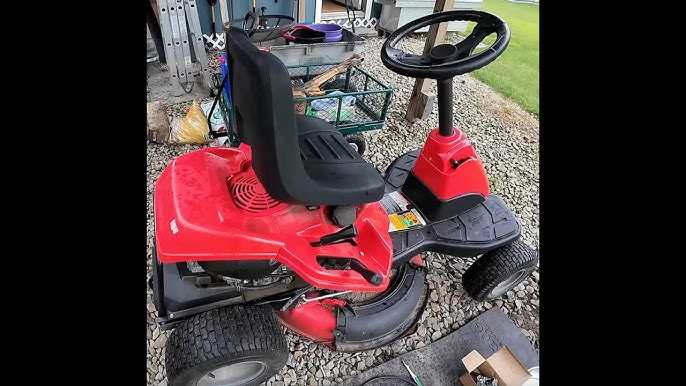
To change the carburetor on your Craftsman lawn mower, start by removing the air filter and disconnecting the fuel line. Then, unscrew the carburetor from the engine, clean or replace it as needed, and reassemble everything carefully. This simple process can restore your mower’s performance and make it run smoothly again.
Replacing the carburetor on a Craftsman lawn mower might sound intimidating, but with a few basic tools and some patience, it’s a manageable DIY task. The key steps involve removing the old carburetor, cleaning or swapping it out, and reattaching it securely. Doing this can save you money on repairs and keep your lawn looking neat all season long. If your mower is sputtering, hard to start, or running unevenly, a new carburetor can often be the fix. Just follow these straightforward instructions, and you’ll have your mower back in top shape in no time!

How to Change the Carburetor on a Craftsman Lawn Mower
Understanding the Importance of the Carburetor
The carburetor plays a vital role in your Craftsman lawn mower. It mixes air and gasoline to create the right fuel for the engine to run smoothly. When it gets clogged or damaged, your mower may sputter, stall, or refuse to start.
Proper maintenance of the carburetor can keep your mower functioning efficiently. Knowing how to replace the carburetor is essential for any homeowner who wants to keep their lawn equipment in top shape. This process might seem complicated at first, but with patience and the right tools, you can do it yourself.
Tools and Materials Needed
Before beginning the replacement, gather these tools to make the process easier:
- Socket wrench set
- Screwdrivers (Phillips and flat-head)
- Replacement carburetor compatible with your Craftsman model
- Fuel line clamp or pliers
- Work gloves and safety glasses
- Clean rags or towels
- Carburetor cleaner spray (optional but recommended)
- Container for collecting leftover fuel
Ensure that the replacement carburetor matches your mower’s model number for compatibility. Consult your Craftsman mower’s manual if you’re unsure.
Preparing the Lawn Mower for Replacement
Start by parking your lawn mower on a flat, level surface. Engage the parking brake to prevent any movement. Turn off the engine and disconnect the spark plug wire for safety.
Next, drain any leftover fuel from the tank to prevent spills. Use a container to catch the fuel carefully, and then remove the fuel cap. This step also helps prevent fuel leaks into the carburetor during the process.
Accessing the Carburetor
Locate the carburetor, usually situated on the side of the engine underneath the air filter cover. Remove the air filter housing cover and the air filter itself. Be cautious not to damage any clips or screws holding these parts.
With the air filter removed, you’ll see the carburetor attached to the intake manifold. It is connected to fuel lines and throttle linkages. Before disconnecting, take a photo or note the configuration for easier reassembly later.
Disconnecting the Old Carburetor
Start by loosening any clamps or screws securing the fuel line. Carefully detach the fuel line from the carburetor with pliers or a clamp. Watch for residual fuel that may leak out.
Next, disconnect the throttle and choke linkages. These are usually held with small clips or screws. Remove any mounting bolts holding the carburetor to the engine block.
Use your hands or tools to gently lift the old carburetor away from the engine. Take note of the gasket or seal between the carburetor and the intake manifold. If it’s damaged, replace it during the new installation.
Cleaning the Area
Before installing the new carburetor, clean the mounting surface thoroughly. Use a carburetor cleaner spray or a clean rag to remove any dirt, debris, or old gasket material. Ensure the area is spotless for a good seal.
Inspect the intake manifold for cracks or damage. Replace if necessary to prevent future issues.
Installing the New Carburetor
Position the new carburetor onto the intake manifold, aligning it properly with the mounting holes. Secure it with the appropriate bolts, tightening them evenly to avoid leaks.
Reconnect the throttle and choke linkages, ensuring they move freely and are securely attached. Reinstall any gaskets or seals that came with the new carburetor.
Attach the fuel line securely, ensuring there are no leaks. You can add a new fuel line or clamps if the old ones are worn out. If you used a carburetor cleaner, it’s a good idea to check for any residual debris.
Reassembling the Mower
Replace the air filter and secure the air filter cover back onto the housing. This step is important to prevent dirt from entering the engine.
Reconnect the spark plug wire. Turn the fuel valve on if your mower has one. Finally, double-check all connections and bolts to confirm everything is tight and in its proper place.
Testing the Mower
Start the mower and observe how it runs. It might take a few moments to get the carburetor adjusted properly. If the engine hesitates or stalls, fine-tune the carburetor settings as recommended in your mower’s manual.
Listen for smooth operation and steady idling. If the mower runs well, the replacement was successful. If not, recheck all connections and consider cleaning or adjusting the carburetor further.
Additional Tips for Maintaining Your Carburetor
Regularly check and replace the air filter to prevent dirt from entering the carburetor. Use fresh fuel and avoid letting the gas sit in the tank for extended periods.
Using a fuel stabilizer can help keep fuel fresh and prevent carburetor clogging. Periodically inspect fuel lines for cracks or leaks and replace them if necessary.
If you encounter persistent carburetor issues, cleaning the inside with carburetor cleaner or considering a professional rebuild might be the best option.
Common Problems and Troubleshooting
If the mower still won’t start after replacing the carburetor, check the spark plug and ensure it’s clean. Make sure the fuel supply is adequate and free of contaminants.
Observe the throttle and choke linkages — they should move smoothly and be properly connected. Verify that the air filter is clean and correctly installed.
In cases where the engine runs rough or stalls, the mixture screws on the carburetor might need adjustment. Carefully follow your manual’s instructions for proper tuning.
Related Topics to Consider
To keep your Craftsman mower running optimally, consider:
- Replacing or cleaning the air filter regularly
- Inspecting and replacing spark plugs as needed
- Using fresh, high-quality fuel with stabilizer
- Performing seasonal maintenance to prevent buildup and corrosion
Understanding these additional maintenance tasks can extend the life of your mower and reduce future repairs.
Changing the carburetor on a Craftsman lawn mower can seem daunting at first, but with the right tools and guidance, it becomes a straightforward task. Properly replacing and maintaining your carburetor ensures your mower runs smoothly and efficiently. Regular upkeep and attentive troubleshooting keep your yard equipment in top condition, making yard work easier and more enjoyable.
How to Replace the Carburetor on a Craftsman LT1000 Lawn Mower
Frequently Asked Questions
What are the essential tools needed to replace the carburetor on a Craftsman lawn mower?
To replace the carburetor, gather a socket wrench set, screwdrivers (Phillips and flat-head), pliers, a carburetor cleaner spray, and safety gloves. Having a clean workspace and the owner’s manual will help you follow the correct procedures and ensure you don’t miss any steps during the process.
How can I safely drain gasoline before removing the old carburetor?
To safely drain gasoline, disconnect the spark plug wire to prevent accidental starting. Locate the fuel shut-off valve or fuel line, and carefully detach it to let the fuel flow into a suitable container. This step minimizes the risk of spills and fire hazards while you work on removing the carburetor.
What is the correct sequence for removing and installing the carburetor on a Craftsman mower?
Begin by removing the air filter assembly, followed by disconnecting the fuel line and any linkages connected to the old carburetor. Remove the mounting bolts and carefully take out the carburetor. To install the new carburetor, reverse the removal steps: position it correctly, tighten the bolts, reattach the fuel line and linkages, and reinstall the air filter. Always tighten all connections securely to prevent leaks.
How do I adjust the carburetor after installing it on my lawn mower?
Start the engine and let it warm up. Adjust the idle speed screw so the engine runs smoothly at low RPM without stalling. Then, adjust the mixture screw to set the correct air-fuel ratio—turn clockwise for a leaner mixture or counterclockwise for a richer one. Make small adjustments and monitor engine performance after each change for optimal operation.
What common problems indicate I installed the new carburetor incorrectly?
If the mower struggles to start, runs rough, stalls, or emits black smoke, these signs suggest the carburetor may not be installed properly. Check all connections, ensure the carburetor is securely mounted, and verify that the fuel lines and linkages are correctly attached. Adjusting the carburetor settings might also resolve performance issues.
Final Thoughts
Changing the carburetor on a Craftsman lawn mower involves removing the air filter, disconnecting fuel lines, and unscrewing the carburetor. Clean the area thoroughly to prevent debris from entering the engine. Install the new carburetor, reconnect all parts, and replace the air filter.
Ensure the fuel valve is on, and run the engine to check for proper operation. Adjust the carburetor settings if necessary for optimal performance. Regular maintenance keeps your mower running smoothly.
In summary, how to change the carburetor on a craftsman lawn mower becomes straightforward when following these steps. Properly replacing the carburetor helps maintain engine efficiency and prolongs your mower’s lifespan.