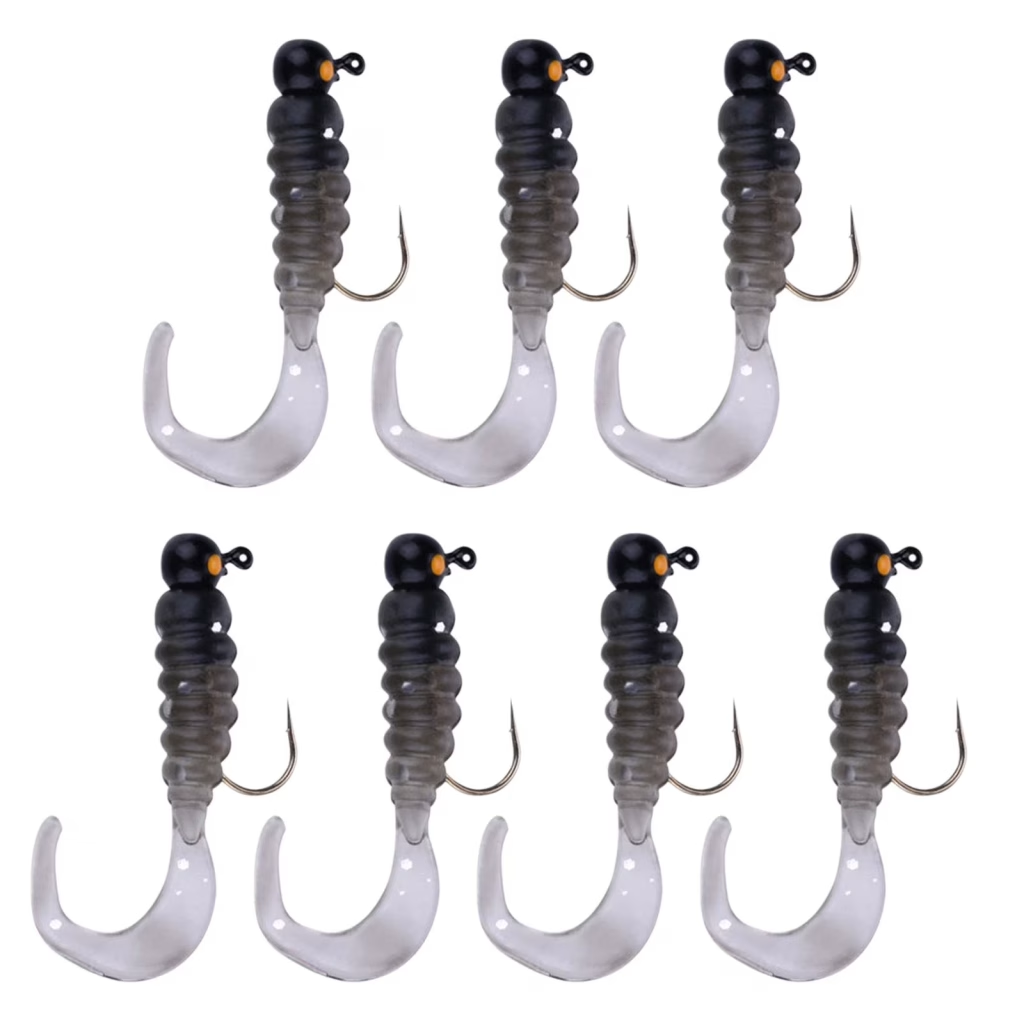
If you've ever stared at a wall of soft plastics and wondered what actually works, the curly tail grub is one of those lures that quietly catches everything from largemouth bass to panfish. Learning how to fish curly tail grub effectively comes down to understanding its tail action, pairing it with the right jighead, and matching your retrieve to what the fish want that day. It's not complicated, but there are a few details that make the difference between getting ignored and loading the boat.
The curly tail grub has been a staple since Mister Twister popularized it decades ago. As of 2026, it remains one of the most versatile soft plastics in both freshwater and light saltwater fishing. Let's walk through everything you need to know to fish it properly.
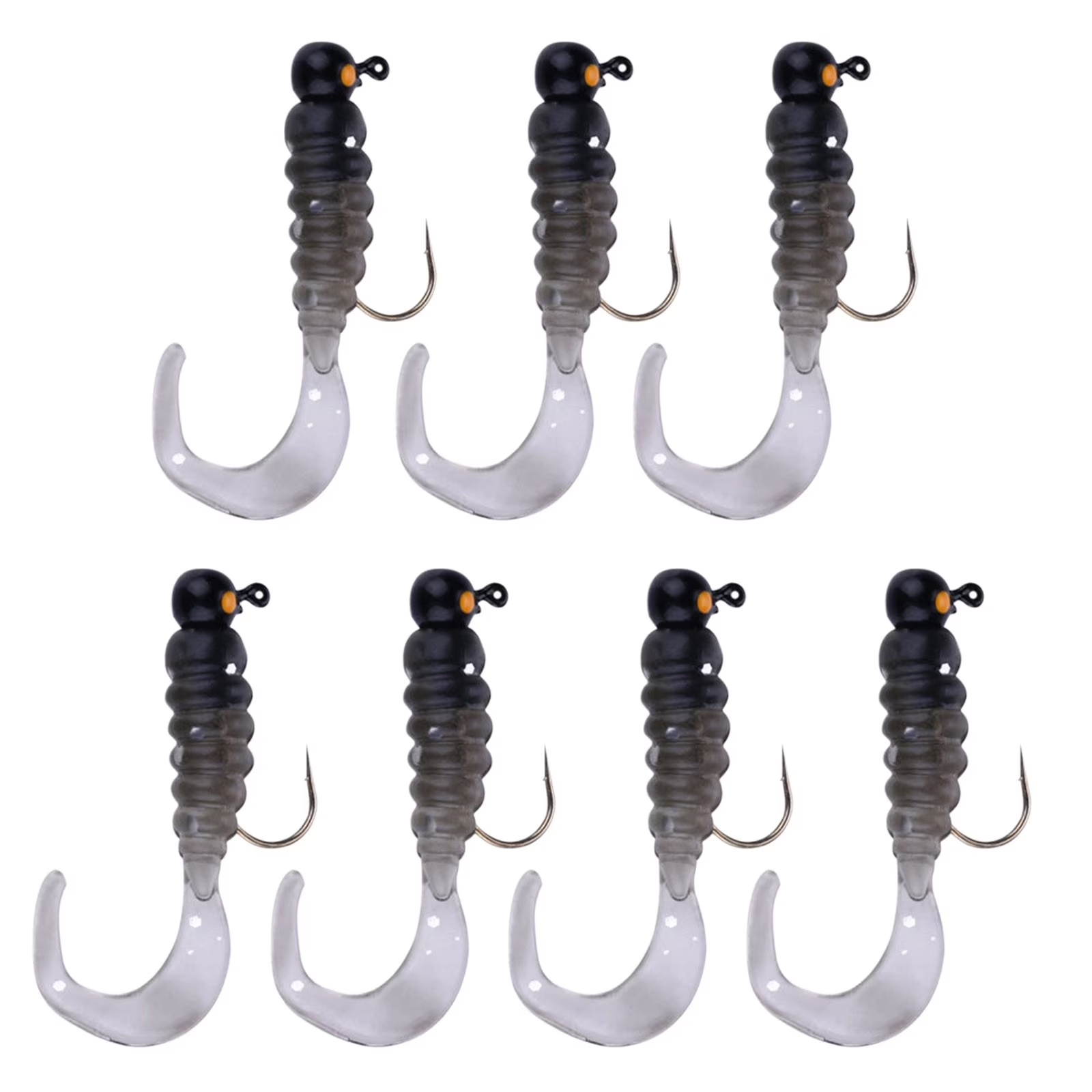
Image source: Bing (Web (fair-use with source credit))
Quick Answer
A curly tail grub is a soft plastic lure with a tail that curls and vibrates in water. Rig it on a ball jighead sized to your target depth. Let it fall on a slack line, then retrieve with a slow roll, a hop-and-pause, or a steady swim through the middle of the water column.
Match grub size to your target species and jighead weight to the depth and current you're fishing.
Why the Curly Tail Grub Deserves a Spot in Your Tackle Box
The curly tail grub earns its reputation because it does something few other lures can. The curled tail creates vibration and pulsing action even on a dead-slow retrieve. That means it works when fish are cold, lazy, or pressured into ignoring flashier baits.
It's also one of the most versatile lures you can own. You can fish it shallow around weed edges, bounce it along deep points, swim it through open water, or even dead drift it for panfish and crappie under a slip bobber. One packaging of grubs costs a fraction of what you'd spend on hard baits.
The hookup ratio is excellent too. Because the grub is soft and fish tend to inhale it, you get solid hooksets more often than with something like a jerkbait where short-striking is common. For beginners especially, the curly tail grub builds confidence fast.
You cast it out, let it fall, and something usually happens.
What Makes a Curly Tail Grub Work (It's All About the Tail)
The magic of this lure lives in the tail. That curled appendage acts like a tiny propeller, displacing water and sending out pressure waves that fish detect through their lateral line system. Different tail sizes and shapes produce different actions:
- Thick, tightly curled tail: Thumps harder, more vibration, better for stained water or aggressive fish
- Thin, loosely curled tail: Pulsates faster, more subtle presentation, ideal for clear water or finicky fish
- Larger tail diameter: More water displacement, slower fall, draws reaction strikes from a distance
The body itself is simple: a short, straight or slightly tapered profile that imitates a baitfish, a small crawfish, or a large worm depending on how you fish it. Most curly tail grubs range from 2 to 6 inches, with the 3-inch and 4-inch sizes being the most commonly used for bass and walleye.
Manufacturers like Mister Twister, Strike King, Berkley, and Z-Man all produce variations. Some are salt-impregnated to trigger a taste-hold response. Others use scented plastic formulations designed to make fish hang on longer after they bite.
These small differences matter when you're dealing with heavily pressured fish that have seen everything.
How to Rig a Curly Tail Grub the Right Way
Getting the rigging right matters more than most people think. A poorly rigged grub spins, loses action, and tears apart after a few fish. Here's how to do it properly.
Step-by-step rigging process:
- Thread the point of the jighead straight through the nose of the grub, pushing it along the hook shank until the collar of the jighead meets the head of the grub
- Align the grub so it sits straight with no banana-bending to either side; a crooked grub will spin and cause line twist
- Push the hook point all the way through the top of the grub's head, seating it just under the surface skin so it's weedless enough to slip through light cover
- Check that the grub tail hangs freely and isn't pinched or folded under the jighead collar
The key detail most people miss is that straight alignment. If the grub sits even slightly off-axis on the jighead, the retrieve becomes erratic. The tail won't pulse evenly, and you'll get line twist that drives you crazy after a few dozen casts.
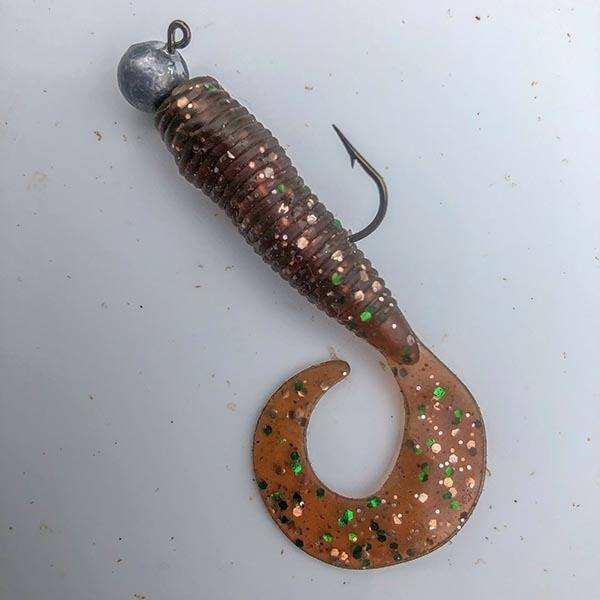
Image source: Bing (Web (fair-use with source credit))
For the jighead itself, a standard ball jighead works in most situations. Stand-up jigheads are better when you want the grub to nose into the bottom and pop back up on each hop. Weedless jigheads with a wire guard make sense when you're fishing through grass, wood, or heavy rock piles where snags are constant.
Matching Jighead Weight to Conditions and Depth
Jighead weight determines how fast the grub falls, how deep it runs, and how well you can feel what's happening down there. Get this wrong and you're either fishing too shallow or dragging the bottom without knowing it.
Here's a practical breakdown of common jighead weights and what they're best for:
| Jighead Weight | Best Depth Range | Best For | Typical Line |
|---|---|---|---|
| 1/64 oz | 2-6 feet | Panfish, crappie, trout under a bobber | 2-6 lb mono |
| 1/32 oz | 4-8 feet | Crappie, small trout, shallow panfish | 4-6 lb mono |
| 1/16 oz | 6-12 feet | Shallow bass, walleye near shore, light current | 6-8 lb mono or fluoro |
| 1/8 oz | 10-18 feet | Bass in 8-15 feet, walleye on points | 8-10 lb mono or fluoro |
| 1/4 oz | 15-30 feet | Deeper bass, walleye, light saltwater | 10-14 lb mono or fluoro |
| 3/8 oz | 25-40+ feet | Deep structure, heavy current, saltwater | 14-20 lb braid with fluoro leader |
The fall rate matters because fish often hit the grub on the drop. A 1/16 oz jighead falls roughly one foot per second on 10 lb monofilament, though that varies with grub size and line diameter. Heavier jigheads fall faster, which can be good when you need to get down quickly but bad when fish want a slow, tantalizing descent.
Water current pushes lighter jigheads around, so if you're fishing a river or a wind-blown lake, bump up one weight class from what the depth alone would suggest. In still water with no wind, you can go lighter and let the grub work on a longer, more natural fall.
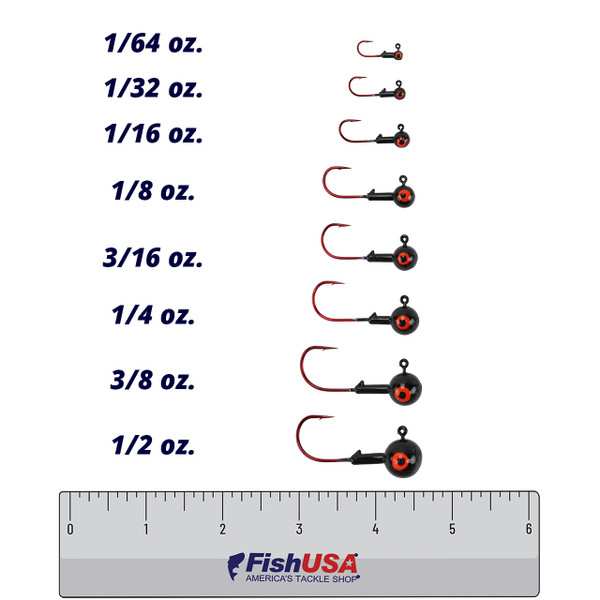
Image source: Bing (Web (fair-use with source credit))
Retrieve Techniques That Actually Trigger Bites
The retrieve is where most anglers either unlock the curly tail grub's potential or waste it. The tail needs movement to do its job, but too much speed kills the action and makes the lure look unnatural.
Slow roll: This is the bread-and-butter retrieve. Reel just fast enough to keep the tail pulsing steadily. The grub stays near the bottom, mimicking a crawfish or baitfish moving along the substrate.
This works exceptionally well for walleye and for bass holding on rocky points or gravel banks.
Hop and pause: Lift your rod tip from about nine o'clock to eleven o'clock, then reel up the slack quickly and let the grub fall back down on a slack line. Most strikes come during that fall. This is the go-to technique for bass around wood cover, docks, and laydowns.
Steady swim: Reel at a medium pace to keep the grub in the middle of the water column. This imitates a baitfish cruising through open water and works well when you're searching for suspended fish or covering water quickly.
Drag and shake: Let the grub hit the bottom, then drag it a foot or two with slow rod movements while shaking the tip slightly. The tail quivers against the bottom, kicking up small puffs of silt. Deadly for walleye and smallmouth on clean rock or sand.
Dead drift: In current or under a slip bobber, let the grub drift naturally with no retrieve at all. The tail pulses from the water movement alone. This is a killer technique for crappie, trout, and panfish in rivers or streams.
The common thread across all these techniques is that you need to stay in contact with the grub but not overwork it. If you're reeling too fast, the tail spins instead of pulsing and the whole presentation looks wrong. Slow down until you can feel that rhythmic thump through the rod tip.
That's the speed you want.
Choosing the Right Grub Size for Your Target Species
Grub size matters more than most anglers realize. Too big and you scare off smaller fish. Too small and larger predators ignore it entirely.
The sweet spot depends on what you're chasing and what the fish in your local water are feeding on.
Here's a quick reference for matching grub size to species:
| Grub Size | Primary Targets | Best Jighead | Typical Conditions |
|---|---|---|---|
| 2 inch | Crappie, bluegill, trout, small panfish | 1/64 to 1/16 oz | Shallow water, light line, finesse presentations |
| 2.5-3 inch | Largemouth bass, walleye, larger crappie | 1/16 to 1/4 oz | General purpose, the most versatile range |
| 4 inch | Trophy bass, pike, saltwater speckled trout | 1/8 to 3/8 oz | Bigger water, deeper presentations, aggressive fish |
| 5-6 inch | Muskie, striped bass, large saltwater species | 3/8 to 3/4 oz | Heavy cover, big water, targeting trophy fish |
The 3-inch curly tail grub is the gold standard for largemouth bass. It matches the size of most shad, crawfish, and bluegill that bass feed on throughout the year. If you only carry one size, make it that one.
You can fish it on a 1/16 oz head for shallow work or bump up to 1/4 oz when you need to reach 15 feet or more.
For crappie and panfish, drop down to the 2-inch range. Smaller mouths need smaller baits, and a 2-inch grub on a 1/32 oz jighead gets down fast enough for most crappie presentations without overwhelming the presentation. Crappie anglers who fish brush piles and timber often report that the 2-inch grub outfishes live minnows when the fish are actively feeding.
Walleye anglers tend to favor the 3-inch to 4-inch range depending on forage size. In lakes with large shad populations, a 4-inch grub bounced along rocky structure produces aggressive walleye bites. In rivers with smaller baitfish, stepping down to 2.5 or 3 inches makes more sense.
Color Selection Based on Water Clarity
Color choice isn't just personal preference. It directly affects whether fish can see your grub and whether they decide to eat it. Water clarity is the single biggest factor in choosing the right color for a given day.
Clear water (visibility 4+ feet): Natural colors dominate here. Smoke, watermelon, pumpkinseed, and pearl imitate the actual forage fish and crawfish that bass and walleye are keyed in on. In gin-clear conditions, translucent colors with minimal flash tend to outproduce bright patterns because they look more like real prey.
Stained water (visibility 1-4 feet): Chartreuse becomes your best friend. Chartreuse and white combos create contrast that fish can pick up in reduced visibility. Black and chartreuse is another proven combination for stained reservoirs and murky rivers where the dark back and bright belly mimic natural baitfish silhouettes.
Muddy water (visibility under 1 foot): Go with solid black or dark colors. Black creates the strongest silhouette against a light sky when fish are looking up from below. Bright chartreuse can still work in shallow muddy water, especially for bass that are feeding aggressively in the stained shallows near muddy banks.
Night fishing: Black is the go-to for night fishing because it creates the most visible silhouette against the surface. Dark blue and purple can also work well under moonlight conditions.
One practical tip from tournament anglers tying to master color selection: match the hatch when you can. If the local forage is shad, go with white or pearl. If crawfish dominate the diet, switch to greens, browns, or oranges depending on the season and water conditions.
When You Should Be Fish a Curly Tail Grub
The curly tail grub works year-round, but its effectiveness peaks during specific seasons and conditions. Knowing when to tie one on can save you hours of frustration with lures that aren't getting bit.
Spring (spawn and post-spawn): This is prime time. Bass move shallow to spawn and the grub imitates the crawfish and baitfish that prey on their eggs and fry. Fish it slowly along gravel banks, emerging vegetation, and the first drops into deeper water.
The 3-inch grub in natural colors is deadly during this window.
Summer (deep structure): As bass move offshore to follow bait, the curly tail grub becomes a go-to for deeper presentations. Hop it along points, ledges, and humps in 15 to 30 feet of water. The slow fall and bottom contact make it feel like a crawfish scurrying along the bottom, which is exactly what bass are eating during summer.
Fall (baitfish transitions): When shad are schooling and bass are chasing, the curly tail grub shines as a search bait. Reel it through mid-depth zones where bass are ambushing baitfish between the surface and the bottom. The 3-inch and 4-inch sizes in white or chartreuse work well for matching shad forage.
Winter (cold water): Slow down more than you think you need to. The curly tail grub still produces in cold water because the tail pulses with minimal line movement. Smaller sizes in natural colors dragged slowly along the bottom can catch lethargic walleye and bass when other baits go untouched.
Wind and stained water: Any time wind muddies up the shallows or rain pushes stained water into a lake, the curly tail grub's vibration gives it an edge over subtler presentations that fish can't locate in reduced visibility.
Gear Setup: Rod, Reel, and Line That Pair Well
You don't need specialized gear to fish a curly tail grub, but the right setup makes a noticeable difference in sensitivity, hooksetting power, and your ability to feel what the lure is doing down below.
Rod selection: A 6-foot-6-inch to 7-foot medium or medium-light spinning rod covers most grub fishing situations. The medium-light excels for panfish and finesse presentations where you're using lighter jigheads. A medium rod gives you more backbone for hooksets at distance and for pulling bass out of cover.
If you're throwing 1/4 oz jigheads or fishing around heavy structure, a medium-heavy rod in the 7 to 7-foot-6 range gives you more control.
Baitcasting rods work too, especially when you're making long casts or fishing heavier jigheads in current. A 7-foot medium baitcaster with a fast tip is a solid general-purpose choice for grub fishing.
Reel speed: Gear ratios between 5.2:1 and 6.4:1 give you good retrieve control. Higher-speed reels make it easy to over-retrieve the grub and kill the tail action. A moderate gear ratio naturally keeps your retrieve in the right zone.
Line choices:
- Monofilament (6-10 lb): Stretch and buoyancy keep the grub higher in the water column during the fall. Great for beginners because the stretch forgives hard hooksets. Best for shallow to mid-depth presentations.
- Fluorocarbon (8-12 lb): Sinks faster, more abrasion-resistant, and nearly invisible underwater. Better sensitivity than mono for feeling subtle bites. Ideal for clear water and bottom-contact presentations.
- Braid with fluorocarbon leader (10-20 lb braid to 8-12 lb fluoro): Maximum sensitivity and hooksetting power at distance. The fluorocarbon leader gives you abrasion resistance and reduces visibility near the lure. This setup excels for deeper water and heavy cover.
Common Mistakes That Cost You Fish
Even experienced anglers make these errors with curly tail grubs. Fixing just one or two of them can noticeably improve your catch rate.
Letting the grub slide down the hook: Over time, especially after catching a few fish, the nose of the grub stretches and slips down the jighead. This misaligns the bait and kills the action. Check your grub every few fish and pull it back up to the jighead collar.
Replace it when it won't stay in place anymore.
Ignoring the fall: Probably 50% of bites on a curly tail grub come during the free fall, not the retrieve. If you're reeling immediately after the cast without letting the grub sink on a slack line, you're missing half the strikes. Watch your line as the grub descends.
Any tick, pause, or movement means a fish just ate it. Set the hook.
Rigging it crooked: A grub that sits at an angle on the jighead will spin in the water and create line twist. That spinning ruins the tail action and eventually creates tangles that waste fishing time. Take an extra ten seconds to make sure the grub is threaded straight.
Using too heavy a jighead: If you're fishing 8 feet of water and throwing a 3/8 oz jighead, the grub falls so fast it looks unnatural. Downsize the jighead and give the grub time to work on the way down. The slower fall is almost always more productive.
Not replacing torn grubs: A grub with a chewed-up tail doesn't produce the same action. Fish often nip at the tail before committing to the bait. If the tail is shredded or missing chunks, swap in a fresh grub.
Keeping a variety of colors handy means you're never stuck fishing a damaged bait.
Overworking the retrieve: If you feel constant resistance on the grub, you're probably reeling too fast. Dial back until you feel just the rhythmic pulse of the tail. That clean thumping sensation means the grub is swimming correctly.
Curly Tail Grub vs. Other Soft Plastics
The curly tail grub competes with other soft plastic categories for space in your tackle bag. Each design has strengths and weaknesses.
Curly tail grub vs. paddle tail swimbait: The paddle tail creates a wider, more aggressive body roll at higher speeds. Paddle tails excel when fish want a larger profile and more flash. Curly tails produce tighter vibration at slower speeds and work better in cold water or pressured situations where finesse matters.
Curly tail grub vs. straight tail worm: Straight tail worms like a Senko rely on a subtle, shimmying fall with minimal action from the tail itself. They shine in clear water and heavy cover where a natural, dying presentation triggers bites. The curly tail grub is more active and better for covering water or triggering reaction strikes from fish that aren't actively feeding.
Curly tail grub vs. tube jig: Tube jigs create a different profile with tentacles that flare and collapse on the fall. They imitate crawfish effectively and work well on a slow drag. The curly tail grub falls faster, pulses more, and works better for fish chasing baitfish profiles rather than bottom-hugging crawfish.
The bottom line is that no single soft plastic does everything. The curly tail grub fills a specific role as a medium-speed, vibration-producing search bait. It's the lure you tie on when you need to find fish quickly without going too subtle or too aggressive.
Real Fishing Scenarios Where the Curly Tail Grub Wins
Some specific scenarios play directly to the curly tail grub's strengths.
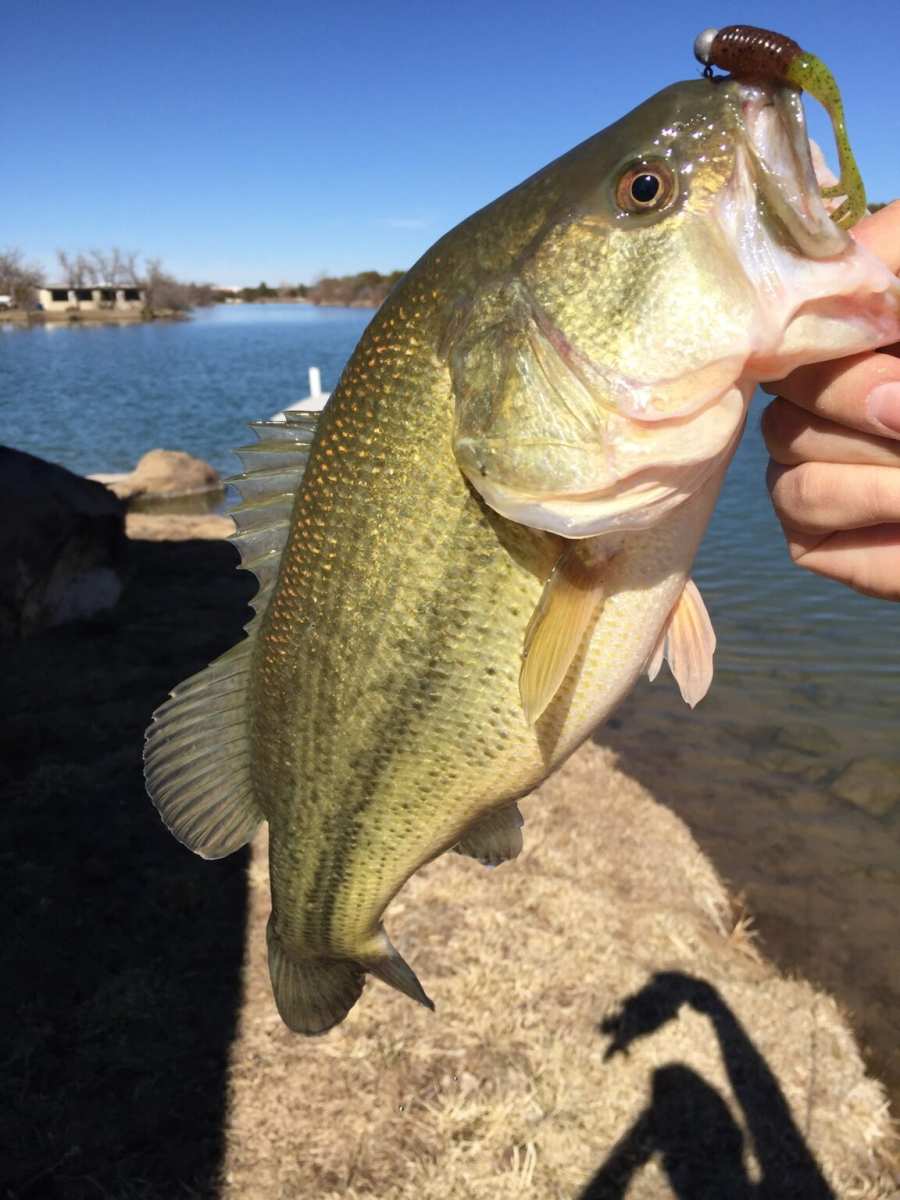
Image source: Bing (Web (fair-use with credit))
Scenario 1: Crappie on brush piles in 12-18 feet. A 2-inch curly tail grub in chartreuse dropped vertically through a brush pile produces consistent bites when crappie are holding tight to structure. The slow fall gets down fast enough to stay in the strike zone, and the tail pulses trigger bites from fish that won't commit to a minnow.
Scenario 2: Smallmouth on rocky points in current. A 3-inch grub in pumpkinseed color bounced along rocky points where current pushes through produces aggressive smallmouth bites. The hop-and-pause retrieve imitates crawfish tumbling along the bottom, which is exactly what smallmouth key on in rivers and current-swept reservoirs.
Scenario 3: Walleye on wind-blown flats. When wind pushes baitfish onto shallow flats, walleye follow to feed. Casting a 3-inch white or pearl curly tail grub and slow-rolling it through 5 to 10 feet of water produces consistent walleye bites.
The vibration helps walleye locate the grub even in choppy, stained conditions.
Scenario 4: Post-front bass lethargy. After a cold front pushes through and bass bury themselves in heavy cover, a lightly weighted curly tail grub flipped into the thick stuff can coax bites from fish that ignore everything else. The subtle fall and bottom quivering action works when bass are in a negative feeding mood.
Quick-Reference Cheat Sheet for Curly Tail Grub Fishing
Here's a condensed reference you can keep handy when you're on the water and need to make quick decisions.
Species and size matching:
- Panfish and crappie: 2-inch grub, 1/64 to 1/16 oz jighead
- Largemouth bass: 3-inch grub, 1/16 to 1/4 oz jighead
- Walleye: 3 to 4-inch grub, 1/8 to 1/4 oz jighead
- Smallmouth bass: 3-inch grub, 1/8 to 1/4 oz jighead
- Saltwater inshore: 4-inch grub, 1/4 to 3/8 oz jighead
Color by water clarity:
- Clear water: smoke, watermelon, pumpkinseed, pearl
- Stained water: chartreuse, chartreuse and white, black and chartreuse
- Muddy water: solid black, dark blue
- Night: black
Retrieve by condition:
- Cold water or lethargic fish: slow roll or drag and shake
- Active fish feeding: hop and pause or steady swim
- Suspended fish: steady swim at mid-depth
- Heavy cover: slow fall with long pauses
Gear quick picks:
- Light spinning setup: 6'6" medium-light rod, 6-8 lb mono or fluoro
- All-purpose spinning: 7' medium rod, 10 lb braid with 8 lb fluoro leader
- Baitcasting: 7' medium rod, 12-15 lb fluoro
Frequently Asked Questions
What is the best size curly tail grub for bass?
The 3-inch curly tail grub is the most versatile size for largemouth and smallmouth bass. It matches the profile of common forage like shad, bluegill, and crawfish. Use a 1/16 oz jighead for shallow water and bump up to 1/4 oz when fishing deeper than 15 feet.
Can you fish a curly tail grub in saltwater?
Yes, the curly tail grub works well for inshore saltwater species like speckled trout, redfish, and flounder. Use a 4-inch grub on a 1/4 to 3/8 oz jighead. Natural colors like pearl and chartreuse work well in saltwater environments.
How fast should you reel a curly tail grub?
Reel just fast enough to feel the tail pulsing through the rod tip. That's usually a slow to moderate retrieve speed. If you feel constant resistance or the lure feels heavy, you're reeling too fast.
Slow down until you feel a clean, rhythmic thump.
Do curly tail grubs work for trout?
Yes, a 2-inch curly tail grub on a 1/32 or 1/16 oz jighead catches stocked and wild trout effectively. Fish it with a slow roll or dead drift in current. Natural colors like smoke and pumpkinseed work well in clear streams and lakes.
How do you keep a curly tail grub from sliding down the hook?
Thread the grub straight onto the jighead and check it every few fish. When the nose stretches out and starts sliding, pull it back up or replace the grub. Keeping grubs in their original packaging and out of direct sunlight helps them last longer.
What line is best for fishing curly tail grubs?
Fluorocarbon in the 8 to 12 lb range is the best all-around choice for its sensitivity and low visibility. Braid with a fluorocarbon leader works well for deeper water and heavy cover. Monofilament is fine for shallow presentations where its buoyancy helps keep the grub higher in the water column.