Quick answer: To drain gas without a siphon, you can remove the drain plug beneath the mower’s carburetor or fuel tank, or carefully siphon the fuel by creating a gravity flow with a tube. These methods are effective, simple, and avoid the need for a traditional siphon device.
Draining gas from your riding lawn mower might seem tricky, especially if you don’t have a siphon on hand. But don’t worry—there are straightforward ways to do it safely and efficiently. Whether you’re preparing for maintenance, winter storage, or fixing an issue, removing old fuel is essential. Instead of relying on a siphon, you can utilize the drain plug if available, or carefully set up a gravity feed using flexible tubing, which gives you control and minimizes mess. Knowing these simple techniques can save you time and frustration, making maintenance tasks much smoother and more manageable.

How to Drain Gas from Riding Lawn Mower Without Siphon
Understanding Why You Need to Drain Gas
Draining gas from your riding lawn mower is often necessary to prevent engine problems or when preparing the mower for storage. Gas can degrade over time, leading to clogged fuel lines and poor engine performance. Knowing how to safely remove the old fuel extends your mower’s lifespan and keeps it running smoothly.
Safety First Before You Drain Gas
Always work in a well-ventilated area to avoid inhaling fumes. Wear gloves and eye protection to prevent contact with fuel. Make sure the engine is turned off and has cooled down completely before starting the draining process. Keep a fire extinguisher nearby in case of emergencies.
Tools and Supplies Needed for Draining Gas Without Siphon
To drain gas without a siphon, gather the following items:
- Small container or approved fuel receptacle
- Clear plastic tubing or flexible hose
- Wrench or screwdriver set (for removing fuel line or drain plugs)
- Drain pan or bucket
- Rags or paper towels for cleanup
- Optional: Fuel shut-off valve (if compatible)
Having these ready beforehand helps make the process smoother and safer.
Step-by-Step Guide to Drain Gas Without Siphon
1. Turn Off Engine and Disconnect Power
Ensure the mower engine is off and cooled. Disconnect the spark plug wire to prevent accidental startup. This step is critical for safety and to avoid injuries.
2. Locate the Fuel Line or Drain Plug
Find the fuel line connected to the carburetor or a dedicated drain plug on the fuel tank. These are usually on the bottom side of the tank. Consult your mower’s manual if you’re unsure.
3. Prepare Your Drain Container
Place a clean, approved container beneath the fuel line or drain plug. Use a rag to absorb any spills and avoid fuel leakage.
4. Remove or Disconnect Fuel Line
Using a wrench or screwdriver, carefully loosen the fuel line clamp or fittings. Gently pull the fuel line off the outlet or drain plug. Be prepared for fuel to start flowing once disconnected.
5. Drain the Gas
Allow the gas to flow from the tank into the container. If using a tube, insert one end into the tank outlet and the other into your container. Gravity will do most of the work, so no siphon is needed.
6. Use a Tube to Assist Drainage (Optional Technique)
Attach a flexible, clear plastic tube to the fuel outlet or drain valve. Insert the other end into a container on the ground. This method helps control the flow and prevents spills.
7. Reconnect or Cap the Fuel Line
Once the tank is emptied or the desired amount is drained, reconnect the fuel line or seal the drain plug. Ensure all fittings are tight to prevent leaks.
8. Clean Up Spills and Store Properly
Wipe any spilled fuel with a rag. Store the drained fuel in a proper container if you plan to reuse it later. Always dispose of old fuel according to local regulations.
Alternative Methods for Draining Gas Without Siphon
Using a Pump or Manual Transfer Tool
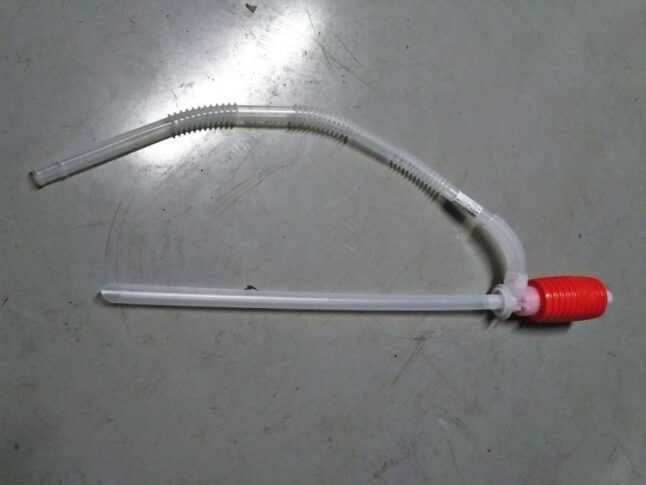
A manual hand pump designed for fuel transfer can be employed to draw gas from the tank. These pumps are usually equipped with a flexible hose and a pump handle for easy operation.
Emptying the Fuel Tank via Drain Port or Plug
Some riding lawn mowers have a drain port or plug built into the fuel tank. Removing this plug allows gravity to drain the fuel into a container quickly and safely.
Utilizing the Mower’s Fuel Shut-Off Valve
If your mower has a fuel shut-off valve, simply turn it to the off position. Then, disconnect the fuel line to drain the remaining gas. This is a straightforward and effective method.
Precautions and Tips for Safe Draining
- Always perform the draining process outdoors or in a well-ventilated area.
- Avoid smoking or creating sparks nearby when handling fuel.
- Do not overfill your container to prevent spills and leaks.
- Use approved containers for storing or disposing of fuel.
- Never attempt to drain gas from a hot engine to avoid burns or fire hazards.
Additional Tips for Maintaining a Mower’s Fuel System
Regularly inspecting fuel lines and replacing worn components reduces the need for frequent draining. Using fuel stabilizers helps keep gasoline fresh and prevents clogging. Always run the mower after adding fresh fuel to prevent moisture buildup in the tank.
Understanding How to Prevent Future Draining Necessities
Proper storage practices, such as draining the fuel before winter or long-term storage, minimize issues. Keeping the fuel tank full reduces humidity and condensation. Using the right type of gasoline for your mower and following manufacturer recommendations also helps.
Related Topics You Might Find Helpful
- How to change the oil in a riding lawn mower
- Best techniques for cleaning mower carburetor
- Steps for storing your lawn mower during winter
- How to troubleshoot common mower starting problems
This thorough guide ensures you understand each step involved in draining gas from your riding lawn mower without the need for a siphon. Remember, safety is paramount, and using proper tools and techniques will make the process easier and safer. Be patient, follow each step, and your mower will be ready for maintenance or storage in no time.
How to drain gas from your mower tank- siphonless
Frequently Asked Questions
What alternative methods can I use to drain gas without a siphon on my riding mower?
If you prefer not to use a siphon, you can drain the gas by locating the drain plug at the bottom of the fuel tank and carefully removing it to let the fuel flow into a suitable container. Make sure to place the container on a stable surface and wear protective gloves and eyewear for safety. This method allows you to drain the gas directly without needing to suck or transfer fuel with a hose.
How can I safely remove fuel from the tank through the fuel line?
To remove fuel via the fuel line, loosen the connection at the carburetor or fuel outlet, then gently lower the hose into a container. This allows you to gravity-drain the gas. Keep the engine off and work in a well-ventilated area to prevent fumes from accumulating. After draining the fuel, securely tighten all fittings to prevent leaks.
Is it possible to drain gas from my riding mower by tilting the machine?
Yes, tilting the mower can help in draining the fuel, especially if the tank has a drain plug or if you can access the fuel outlet. Carefully lift one side of the mower to allow the fuel to flow out of the tank through the opening or drain point. Use a container to catch the fuel, and ensure the mower is on a level surface before tilting to avoid spills and to maintain safety.
What precautions should I take when draining gas from a riding mower without a siphon?
Always work outdoors or in a well-ventilated area to avoid inhaling fumes. Wear protective gloves and safety glasses to prevent contact with gasoline. Keep a fire extinguisher nearby, and avoid smoking or creating sparks around the fuel. Properly dispose of or store the drained fuel according to local regulations.
Can I use a turkey baster or similar tool to remove fuel from the tank?
While a turkey baster can sometimes remove small amounts of fuel, it is not ideal for draining a full tank. If you choose this method, make sure the tool is clean and suitable for fuel, and work slowly to avoid spills. For larger quantities, using a dedicated fuel siphon or drain plug is safer and more effective.
Final Thoughts
To drain gas from riding lawn mower without siphon, first turn off the mower and let the engine cool. Remove the fuel cap to allow air to flow freely. Next, carefully tilt the mower to drain fuel into a suitable container.
Ensure you do this in a well-ventilated area to avoid fumes. Once the fuel is drained, replace the cap securely. Knowing how to drain gas from riding lawn mower without siphon helps you maintain your equipment safely and efficiently.