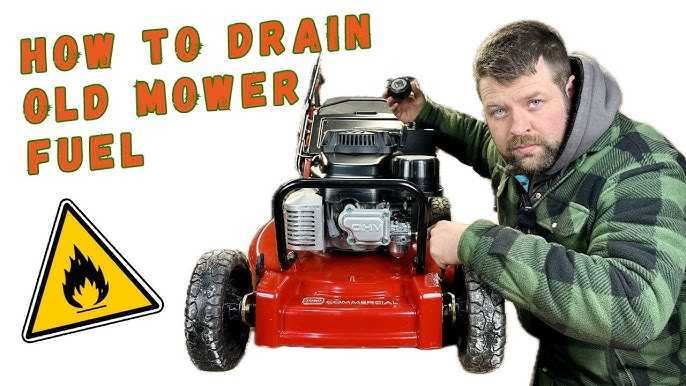
To quickly drain fuel from your Briggs and Stratton lawn mower, start by preparing a container to catch the fuel, then safely remove the fuel line or drain plug to let the fuel flow out. Always work in a well-ventilated area and avoid open flames.
The simplest way to drain fuel from your Briggs and Stratton mower is to remove the drain plug or disconnect the fuel line, allowing the gasoline to flow into a container. Alternatively, you can run the mower until it uses up the remaining fuel, but this takes longer and is less effective for a complete drain.
If your lawn mower is due for maintenance or storage, draining the fuel is essential to prevent clogging and stale gasoline. To do this properly, you’ll need a few basic tools such as a wrench or pliers to access the drain plug or fuel line. Always remember to work in a well-ventilated area, wear gloves, and keep a fire extinguisher nearby as a safety precaution. By following these steps, you’ll ensure your mower is ready for storage or repair without risking engine damage.

How to Drain Fuel from Briggs and Stratton Lawn Mower
Draining fuel from your Briggs and Stratton lawn mower is an important step to ensure it runs smoothly and safely, especially when storing it for long periods. Properly removing old fuel helps prevent engine problems and spills. In this guide, we’ll walk you through each step carefully and provide helpful tips. Let’s get started with understanding why and when you should drain your mower’s fuel.
Why Drain Fuel from Your Lawn Mower?
Old fuel can break down over time, leading to engine issues such as starting problems or poor performance. Draining fuel is especially necessary if you plan to store your mower for several months. It also helps avoid fuel leaks, which can be dangerous and cause fire hazards.
When Is the Best Time to Drain Fuel?
Drain the fuel if your mower has been unused for more than 30 days. It is also recommended before performing major repairs or cleaning. Draining is crucial before winter storage to prevent stale fuel from causing problems next season.
Gathering the Necessary Tools and Supplies
Before you start, collect all needed items. Having these ready makes the draining process smoother:
- Protective gloves and safety glasses
- Container or gas can for old fuel
- Push broom or shop vacuum (optional)
- Tools for removing the fuel tank cap, usually a screwdriver or wrench
- Fuel siphon or turkey baster (for easy fuel removal)
- Rags or towels for spills
Locating the Fuel System Components
Identify where the fuel tank and fuel line are on your mower. Most Briggs and Stratton models have a visible fuel cap on top of the tank. The fuel line runs from the tank to the carburetor, usually on the side or underneath the mower.
Consult your mower’s manual if you are unsure about the components. Proper identification helps prevent accidental damage and ensures safe fuel removal.
Methods for Draining Fuel from a Briggs and Stratton Lawn Mower
Method 1: Using a Siphon or Turkey Baster
This method is the simplest and most common for removing small amounts of fuel. First, remove the fuel cap from the tank. Next, insert the siphon tube or turkey baster into the tank opening.
Squeeze or draw the fuel into your container carefully, avoiding spills. Remember to keep the container on a flat, stable surface away from heat or flames. Once the fuel is removed, replace the fuel cap securely.
Method 2: Draining via the Fuel Line
This method is more thorough and involves disconnecting the fuel line. First, locate the fuel line connected to the carburetor. Use pliers or a screwdriver to detach the line from the tank or carburetor.
Place a container under the line to catch fuel. Gently loosen the connection and let the fuel drain out. Be careful to avoid fuel spills and wear gloves to protect your skin. After draining, reconnect the line securely and wipe any spills before starting your mower again.
Method 3: Removing the Fuel Tank
This method is best when the tank is easily accessible and you plan to remove all old fuel. Use the appropriate tools to unscrew or unclip the tank from the mower frame. Carefully lift the tank away from the mower.
Pour the old fuel into a suitable container, and clean the tank with a rag if necessary. Remember to dispose of old fuel properly following local regulations.
Steps for Drainage Using the Fuel Line Method
- Turn off the mower and disconnect the spark plug wire for safety.
- Locate the fuel line running from the tank to the carburetor.
- Use pliers or a screwdriver to detach the line from the tank or carburetor.
- Place a container beneath the disconnected line to catch the fuel.
- Carefully loosen the line to allow the fuel to flow into the container.
- Once drained, reconnect the fuel line securely and wipe any spilled fuel.
- Reattach the spark plug wire and check for leaks before using the mower again.
Safety Tips for Draining Fuel
- Always work in a well-ventilated area outdoors.
- Avoid open flames, sparks, or smoking nearby during drainage.
- Wear gloves and safety glasses to protect your skin and eyes.
- Use approved fuel containers for storing and disposing of old fuel.
- Dispose of old fuel according to local hazardous waste regulations.
Cleaning the Fuel System After Draining
After draining, consider cleaning the fuel tank and lines to prevent clogs. Use a clean rag or a small brush to remove any debris. Checking the fuel filter and replacing it if dirty can improve engine performance.
Ensure all parts are dry and securely reassembled before refilling with new fuel. Proper maintenance of the fuel system enhances the lifespan of your mower and keeps it running smoothly.
Additional Tips for Safe and Effective Fuel Drainage
- Label the container holding drained fuel to avoid accidental use.
- Handle fuel with care, as it is highly flammable and emit fumes. Avoid inhaling vapors.
- Always store old fuel away from heat sources and out of reach of children and pets.
- Double-check all connections before starting your mower after draining.
When to Refill the Fuel Tank
Refill the tank with fresh fuel only after completing any repairs or maintenance. Use the recommended fuel type for your Briggs and Stratton mower, typically unleaded gasoline with a specific octane rating.
Adding fuel carefully and avoiding spills prevents engine damage and keeps your lawn mower in top shape.
How to Drain Old Lawnmower Fuel in Under 2 Minutes
Frequently Asked Questions
What safety precautions should I take when draining fuel from my Briggs and Stratton mower?
Before draining the fuel, turn off the mower and disconnect the spark plug wire to prevent accidental starting. Work in a well-ventilated area away from open flames or sparks. Wear gloves and safety glasses to protect your skin and eyes from fuel spills. Keep a suitable container nearby to catch the drained fuel safely and avoid spills on the ground.
How can I locate the fuel drain screw on my Briggs and Stratton lawn mower?
Remove the mower’s engine cover to access the fuel tank area. The fuel drain screw is typically located at the bottom of the fuel tank or on the side of the carburetor. Consult your mower’s manual for the exact location, as it can vary between models. Use a wrench or pliers to loosen and remove the screw carefully when draining the fuel.
What tools do I need to drain fuel from a Briggs and Stratton mower?
Gather a few basic tools for the process: a wrench or pliers to loosen the drain screw, a fuel container to collect the drained fuel, and possibly a screwdriver if you need to remove any covers. Additionally, wearing gloves and safety glasses aids in protecting yourself during the procedure.
How do I prevent fuel from leaking when removing the drain screw?
Place a clean, sealable container or a rag underneath the drain screw before loosening it. Slowly turn the screw counterclockwise to avoid sudden fuel flow and prevent spills. Keep the container close to catch the fuel directly as it exits, and have rags ready to wipe any excess fuel from nearby surfaces.
How long does it typically take to drain all the fuel from the mower’s tank?
The time needed depends on the size of your mower’s fuel tank and the flow rate through the drain screw. Usually, it takes about 5 to 15 minutes to empty the tank completely. Ensure you monitor the draining process closely and stop once no more fuel flows out to prevent over-draining or unnecessary delays.
Final Thoughts
To drain fuel from a Briggs and Stratton lawn mower, start by turning off the engine and removing the spark plug for safety. Locate the fuel cap and use a siphon or a turkey baster to remove the fuel. Alternatively, if your mower has a drain plug, open it to let the fuel flow out.
Ensure you have a proper container to catch the draining fuel and dispose of it responsibly. Double-check that all fuel has been removed before proceeding with maintenance or storage.
In conclusion, knowing how to drain fuel from Briggs and Stratton lawn mower helps prevent issues during winter storage or repairs. Follow these steps for safe and effective fuel removal, ensuring your mower stays in top condition.