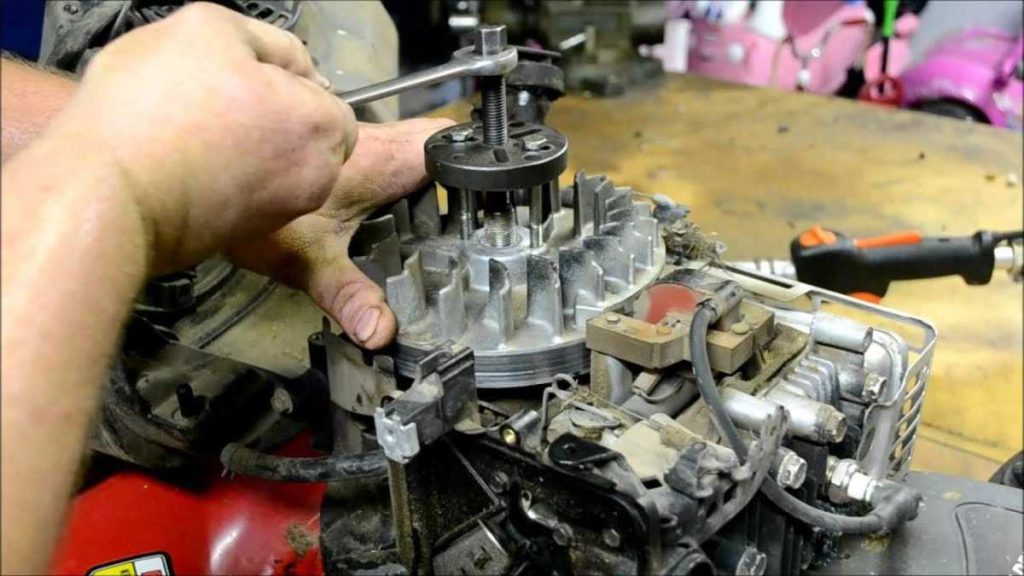
To fix a Briggs and Stratton lawn mower engine quickly, start by checking the spark plug, fuel system, and air filter, then perform a basic tune-up, including changing the oil and cleaning the carburetor if needed. If the engine doesn’t start, inspect the spark plug for faults, ensure the fuel is fresh, and look for any obvious blockages or damage. Regular maintenance and troubleshooting small issues early can keep your mower running smoothly.
In this article, we’ll walk you through the essential steps to repair your Briggs and Stratton lawn mower engine, whether it’s not starting or running rough. From diagnosing common problems to performing simple repairs, you’ll learn how to get your mower back in top shape. With a bit of patience and some basic tools, fixing your engine at home is entirely doable, saving you time and money.

How to Repair a Briggs and Stratton Lawn Mower Engine
Understanding Common Problems in Briggs and Stratton Engines
Briggs and Stratton engines are reliable but can face issues over time. The most common problems include engine stalling, starting difficulties, and loss of power. Recognizing these issues early helps prevent further damage and makes repairs easier.
Inspecting the Spark Plug
The spark plug is vital for engine operation. A dirty or worn spark plug can cause misfires or prevent the engine from starting. Remove the spark plug using a spark plug socket and inspect it for signs of wear, carbon buildup, or damage. Replace if necessary.
How to Check the Spark Plug
- Remove the spark plug wire
- Use a spark plug socket to unscrew it
- Visually inspect for cracks or heavy carbon deposits
- Check the spark gap with a feeler gauge
Set the gap to the manufacturer’s specifications, usually around 0.030 inches. Reinstall or replace the spark plug accordingly.
Cleaning and Replacing the Air Filter
A clogged air filter restricts airflow, making the engine run poorly or stall. Regularly inspect the air filter, especially after heavy mowing. Clean foam filters with soapy water, then dry and apply oil. Replace paper filters if they are torn or excessively dirty.
Steps to Replace the Air Filter
- Locate the air filter cover
- Remove the cover and take out the filter
- Clean or replace the filter as needed
- Secure the cover back in place
Changing the Oil
Engine oil lubricates internal parts, preventing wear and overheating. Old or low oil can cause engine sluggishness or failure. Drain the old oil and replace it with fresh oil according to the manufacturer’s specifications.
How to Change Oil
- Start the engine and run for a few minutes to warm the oil
- Turn off the engine and disconnect the spark plug wire
- Place a container beneath the drain plug
- Unscrew the drain plug and let the oil drain completely
- Reinstall the drain plug and refill with fresh oil
Inspecting and Cleaning the Carburetor
The carburetor mixes air and fuel for the engine. Dirt or varnish buildup can disrupt this process. Remove the carburetor and clean it with carburetor cleaner, paying close attention to jets and passages.
Steps to Clean the Carburetor
- Disconnect the fuel line and remove the carburetor
- Disassemble the carburetor carefully
- Spray all parts with carb cleaner
- Use a small wire or brush to clear jets and passages
- Reassemble and reinstall the carburetor
Checking the Mowing Blade and Deck
A dull or bent blade reduces cutting efficiency and can cause vibrations. Inspect the blade regularly and sharpen or replace it as needed. Also, clear debris from the mower deck to prevent uneven cutting.
Blade Maintenance Tips
- Wear gloves for safety during inspection
- Check for signs of wear, cracks, or bend
- Use a blade grinder or file to sharpen the edges
- Ensure the blade is balanced before reinstalling
Replacing the Fuel Filter and Fuel Lines
Old or clogged fuel filters hamper fuel flow, causing engine problems. Check the fuel lines for cracks or leaks and replace if necessary. Always use fresh fuel to prevent clogging.
Steps for Replacing Fuel Components
- Drain the old fuel before work to prevent spills
- Disconnect the fuel line from the carburetor and filter
- Remove the old fuel filter and lines
- Install new fuel lines and filter, ensuring proper connections
- Refill with fresh gasoline
Adjusting the Throttle and Governor
Proper engine speed relies on correct throttle and governor settings. If the engine is running irregularly or stalls, adjust these controls following the manufacturer’s guidelines.
How to Adjust
- Locate the throttle and governor controls
- Follow the service manual to set the correct speed
- Make small adjustments and test engine performance
Troubleshooting and Final Tips
If your engine still doesn’t run smoothly after these steps, check for compression issues or internal wear. Regular maintenance prevents most problems and extends the lifespan of your mower.
Additional Tips for Success
- Use genuine Briggs and Stratton parts for replacements
- Keep the mower clean and well-maintained
- Store fuel in proper containers away from heat
- Follow a maintenance schedule based on mower usage
Tools and Supplies Needed for Repair
| Tool/Part | Description |
|---|---|
| Spark plug socket | For removing and installing spark plugs |
| Screwdrivers | Flat-head and Phillips for removing covers and panels |
| Carburetor cleaner | Spray for cleaning carburetor parts |
| Replacement filters and parts | New spark plugs, filters, blades, fuel lines, etc. |
| Drain pan | For safely catching old oil |
Knowing how to repair a Briggs and Stratton lawn mower engine can save you time and money. Regular inspection and maintenance help keep the engine running smoothly. Always follow safety guidelines when working on your mower, and don’t hesitate to seek professional help for complex issues. Proper care ensures your lawn mower remains dependable season after season.
HOW TO CLEAN A CARBURETOR ON A BRIGGS & STRATTON 550EX ENGINE FOR BEGINNERS (Yard Machines Mowers)
Frequently Asked Questions
What are the initial steps to diagnose engine trouble on a Briggs and Stratton lawn mower?
Start by inspecting the spark plug for wear or buildup and replace it if necessary. Check the fuel supply to ensure there’s fresh fuel in the tank and that the fuel line isn’t clogged. Examine the air filter to see if it’s dirty or clogged; clean or replace it as needed. Additionally, try pulling the starter cord and listen for unusual sounds or failure to start, which can help pinpoint the issue. Conduct these checks systematically to identify common problems before proceeding with repairs.
How can I replace the faulty ignition coil on my Briggs and Stratton engine?
First, disconnect the spark plug wire for safety. Remove the engine cover or shroud to access the ignition coil. Detach the coil from its mounting, noting its position for proper reinstallation. Disconnect any electrical connectors attached to the coil. Install the new coil in the same position and reconnect the wiring. Secure the coil firmly, replace the engine cover, and reconnect the spark plug wire. Testing the engine afterward confirms whether the coil replacement was successful.
What steps should I take to clean or replace a damaged carburetor?
Begin by turning off the fuel supply and draining any remaining fuel from the tank. Remove the carburetor from the engine, taking care to disconnect all linkages and hoses carefully. Use a carburetor cleaner to remove dirt, varnish, and debris from all components. For severely damaged carburetors, replace it with a new one following the manufacturer’s instructions. Reinstall the carburetor, reattach all linkages and hoses, and fill the tank with fresh fuel. Start the engine to check if it runs smoothly after cleaning or replacement.
How can I address oil-related issues that prevent my engine from functioning properly?
If the engine is not starting or runs poorly, check the oil level and quality. Drain and replace dirty or low oil with the manufacturer-specified type. Ensure that the oil cap and drain plug are securely tightened. Excessive oil can cause engine flooding, so avoid overfilling. If the engine still experiences problems, inspect the oil filter for clogs or damage and replace it if necessary. Maintaining proper oil levels and quality helps keep the engine running smoothly and prevents further damage.
Final Thoughts
To repair a Briggs and Stratton lawn mower engine, start by diagnosing common issues such as difficulty starting or loss of power. Check the spark plug, air filter, and oil levels to ensure they are clean and functioning properly. Replace faulty parts and perform regular maintenance to keep the engine running smoothly.
In conclusion, knowing how to repair a Briggs and Stratton lawn mower engine involves careful inspection and timely part replacement. Paying attention to these details helps maintain your mower’s performance and longevity.