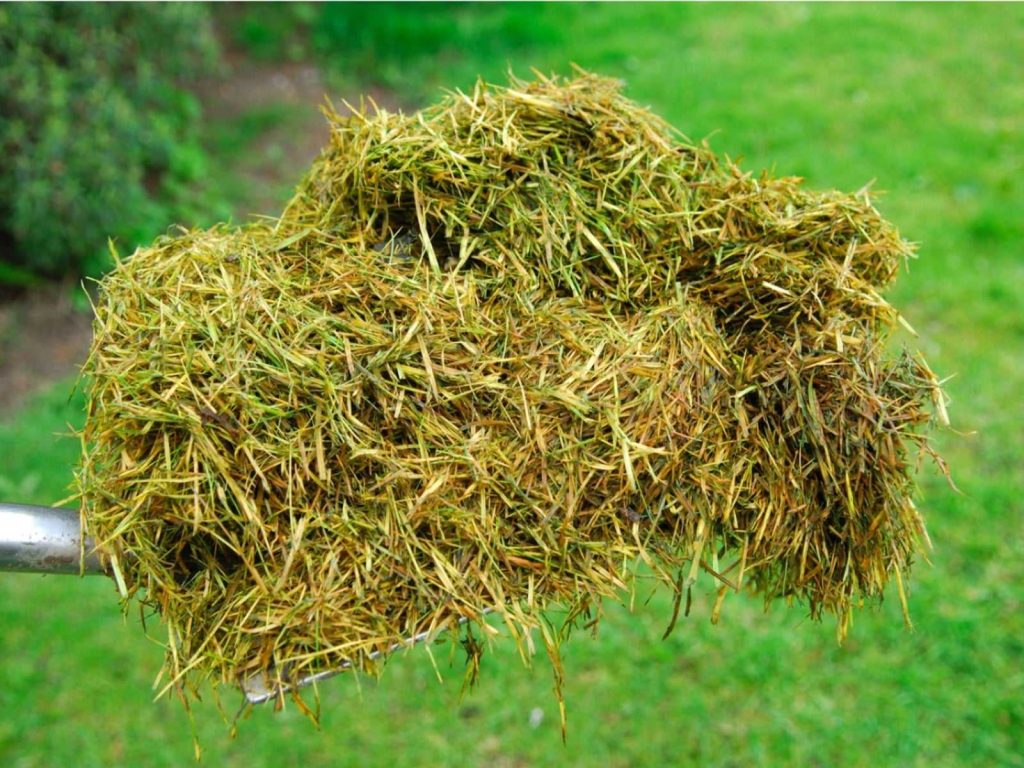
To compost grass clippings effectively, turn them into valuable organic matter by balancing their moisture and nitrogen levels, then aerate your compost regularly. Layer the clippings with other yard waste, keep the pile moist but not soggy, and turn it frequently to ensure fast decomposition. With a little effort, your grass clippings can become nutrient-rich compost that boosts your garden’s health.
Composting grass clippings from your lawn is a quick and eco-friendly way to recycle yard waste and enrich your garden soil. The key is managing moisture, aeration, and mix layers properly to turn these clippings into healthy compost. This process not only reduces waste but also provides a natural fertilizer, making your gardening efforts more sustainable.
Filling your yard with lush, green grass is satisfying, but what do you do with all those clippings? Instead of tossing them in the trash, composting offers a sustainable solution, helping you create rich soil for your garden beds. However, grass clippings can sometimes be tricky to compost because they tend to mat and decompose slowly. Knowing how to incorporate them correctly into your compost pile—balancing green and brown materials, staying mindful of moisture, and maintaining good airflow—can turn this yard waste into black gold for your garden. Incorporating these tips will help you make the most of your grass clippings, transforming what seems like waste into a valuable resource for thriving plants and a healthier environment.

How to compost grass clippings from your lawn
Understanding the Benefits of Composting Grass Clippings
Composting grass clippings is a smart way to recycle organic waste and improve your garden’s health. When you compost grass, you create nutrient-rich soil that helps your plants grow strong. It also reduces waste going to landfills, making your gardening eco-friendly.
Timing and Frequency for Collecting Grass Clippings
Collect grass clippings regularly to prevent thatch buildup and pests. Ideally, mow your lawn when the grass is dry for cleaner clippings. It’s best to compost grass weekly, especially during peak mowing seasons like spring and summer.
Preparing Your Grass Clippings for Composting
Before adding grass to your compost, allow freshly cut grass to dry out a bit to avoid excess moisture. Remove any weeds, seeds, or pests to prevent spreading unwanted plants or bugs. Chopping clippings into smaller pieces helps them break down faster.
Balancing Green and Brown Materials
Grass is a “green” compost material, rich in nitrogen. To maintain a healthy compost pile, balance green materials with “brown” materials like dry leaves or shredded paper. Use a ratio of about 2 parts greens to 3 parts browns for optimal composting.
Why Balance Is Important
A proper mix prevents the compost from becoming too wet or smelly. Too much green material slows decomposition and can cause odors. Adding sufficient brown material keeps the pile aerated and odor-free.
Building Your Compost Pile Correctly
Choose a well-drained, shaded spot for your compost bin or pile. Start with a layer of coarse materials such as small branches or straw. Alternate layers of green grass clippings with brown materials, aiming for a pile at least 3 feet wide and tall.
Layering Tips
Begin with browns, then add a layer of grass clippings. Cover green layers with browns to regulate moisture and odor. Maintain a minimum of 6 inches between layers for good aeration.
Maintaining Proper Moisture and Aeration
Keep your compost moist, similar to a damp sponge, but not soggy. Turn the pile every one to two weeks to introduce oxygen, which is crucial for microbial activity. A well-maintained compost pile heats up naturally, speeding up decomposition.
Signs of Proper Maintenance
Your compost should emit a earthy smell and feel warm to the touch. If it smells sour or rotten, add more brown materials and aerate the pile. Conversely, if it’s too dry, add water while turning.
Controlling Odors and Preventing Pests
Odors often come from anaerobic conditions — when the compost isn’t getting enough air. To prevent pests, avoid adding meat, dairy, or oily foods. Cover grass with brown materials and keep the bin sealed if possible.
Additional Tips for Odor Control
Use a compost cover or lid to retain moisture and prevent pests. Maintain a balanced carbon-to-nitrogen ratio. Turning your pile regularly also helps keep it fresh-smelling.
Monitoring Your Compost’s Progress
Compost typically takes between 8 to 12 weeks to fully decompose. You can tell it’s ready when it looks, feels, and smells like rich, dark soil. Small bits of grass may still be visible but will break down further with continued turning.
Testing Readiness
Sift through your compost and look for a crumbly texture. If the compost is dark and earthy and no large plant material remains, it’s ready to use. Using a thermometer, the internal temperature should stay above 135°F during active decomposition.
Using Finished Compost in Your Garden
Spread your compost evenly around plants as mulch or mix it into garden beds. It improves soil structure, retains moisture, and adds essential nutrients like nitrogen, phosphorus, and potassium.
Application Tips
Apply a layer of 1 to 2 inches of compost around your plants. Avoid piling compost directly against plant stems to prevent rot. Regularly replenish compost in your garden to keep soil fertile.
Additional Ways to Recycle Grass Clippings
If composting isn’t an option, consider other uses for grass clippings. Use them as mulch for flower beds or vegetable gardens to suppress weeds and retain moisture. Compost tea made from grass can also nourish plants when diluted correctly.
Environmental Impact of Composting Grass Clippings
Composting reduces methane emissions from organic waste in landfills. It also promotes sustainable gardening practices by recycling nutrients naturally. This process helps maintain healthy soil and supports local ecosystems.
Common Mistakes to Avoid
Avoid adding large quantities of fresh grass at once, which can compact the pile and cause odors. Do not include weeds with seeds or pests, or materials like pet feces. Proper layering and timely turning will keep your compost healthy.
Summary of Key Points
- Balance green and brown materials for healthy decomposition.
- Maintain moisture and aeration by turning regularly.
- Avoid adding non-compostable waste to prevent pests and odors.
- Monitor temperature and look for signs of readiness before using your compost.
Additional Tips for Successful Composting
Consider using a compost bin with a lid for cleaner and more efficient composting. Small yard waste appliances or tumblers can make turning easier. Keep an eye on moisture levels and adjust as needed during dry or rainy periods.
Related Topics
How to compost other yard waste
DIY compost bins and tumblers
Benefits of using compost in organic gardening
How to reduce lawn waste effectively
Best practices for maintaining a healthy compost pile
By managing your grass clippings properly, you turn yard waste into a valuable resource for your garden. Regularly composting grass not only supports plant growth but also helps the environment by reducing waste. Following these steps, you can create rich, healthy soil that benefits your entire garden ecosystem.
5 Ways To Use Grass Clippings In Your Garden
Frequently Asked Questions
What is the best way to prepare grass clippings for composting?
Chop or mow your grass clippings into smaller pieces to speed up decomposition. Avoid leaving them in thick layers; instead, spread them out evenly over your compost pile. Mixing them with other compost materials like leaves or kitchen scraps helps balance carbon and nitrogen, promoting faster and more efficient composting.
How can I prevent unpleasant odors when composting grass clippings?
To avoid odors, maintain a good balance of green and brown materials in your compost. Ensure adequate airflow by turning the pile regularly and aerating it with a pitchfork. Keeping the moisture level similar to a damp sponge also helps. If you notice any smell, add more brown materials like dried leaves or straw to absorb excess moisture and nitrogen.
What are some common mistakes to avoid when composting grass clippings?
Avoid piling grass clippings too thickly, which can cause them to mat and slow decomposition. Do not add weed seeds or diseased grass, as these can spread unwanted plants or pathogens. Also, steer clear of adding herbicide-treated grass, as chemicals can harm your compost ecosystem and plants later on.
How long does it usually take for grass clippings to break down in compost?
Typically, grass clippings decompose within three to six weeks if you maintain proper moisture, aeration, and balance with other materials. Turning the compost regularly enhances airflow and speeds up the breakdown process, ensuring your compost matures faster.
Can I compost grass clippings that contain weeds or pests?
Yes, but it’s best to compost weeds before they seed and remove any pests from the clippings. High temperatures in a well-maintained compost pile can kill weed seeds and pests, preventing them from spreading. However, if you’re concerned about contamination, avoid composting heavily infested or invasive weeds, and consider alternative disposal methods.
Final Thoughts
Composting grass clippings from your lawn is simple when you follow a few key steps. First, collect clippings regularly to prevent matting and ensure good airflow. Mix them with browns like leaves or paper to balance nitrogen levels. Turn the pile occasionally to promote decomposition and maintain moisture.
By managing these elements, your compost will break down efficiently. Composting grass clippings enriches your soil naturally, reducing waste. How to compost grass clippings from your lawn becomes an easy and rewarding part of your gardening routine.