The decision between bagging and mulching grass can significantly impact the health of your lawn and the time you spend maintaining it. Want to keep your yard looking pristine without extra hassle? The quick answer is: choose bagging if you want a cleaner, tidier look, especially after heavy mowing, and opt for mulching if you’re aiming to nourish your soil naturally while saving time on cleanup.
In this article, we’ll explore how to determine the best option for your lawn based on your goals, grass type, and environmental concerns, helping you make an informed decision that keeps your yard both beautiful and sustainable. Whether you prefer a spotless appearance or a greener, healthier ground cover, understanding the differences can make yard work easier and more effective.

How to Decide Between Bagging and Mulching Grass
Choosing the right mowing method is essential for a healthy and attractive lawn. Both bagging and mulching have unique benefits and considerations. Understanding each one helps you make the best decision for your yard’s needs.
Understanding Bagging and Mulching
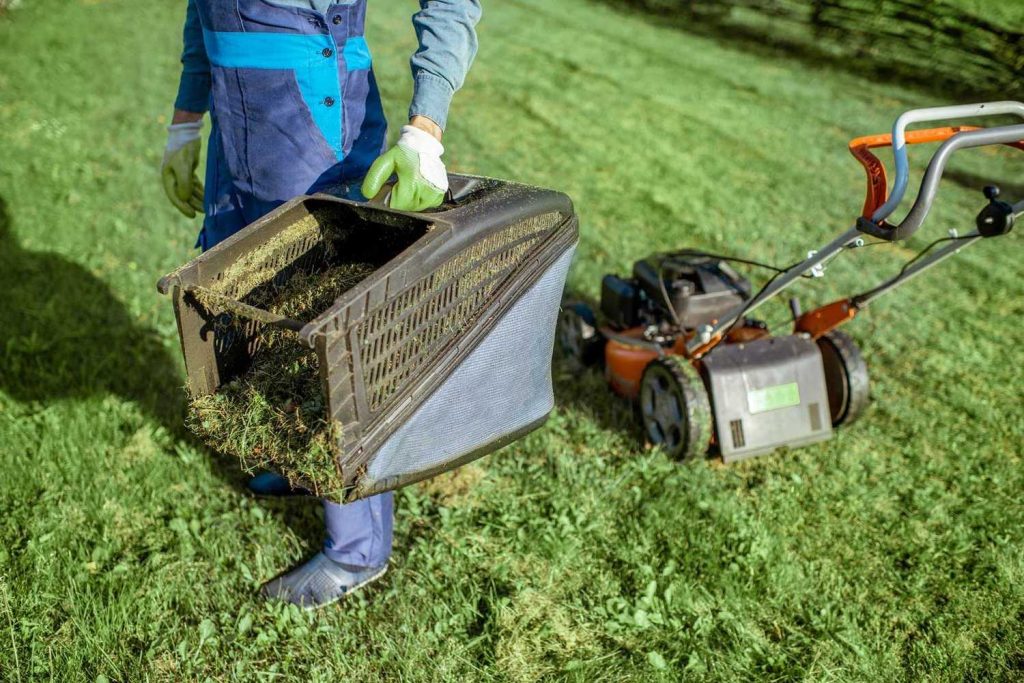
Bagging involves collecting grass clippings in a bag attached to your mower. You then dispose of or compost these clippings separately. Mulching, on the other hand, finely cuts the grass and disperses it back onto the lawn to decay naturally.
Advantages of Bagging
- Keeps your lawn clean and tidy, especially if you have a lot of debris or pests.
- Reduces thatch buildup by removing grass clippings effectively.
- Ideal for lawns that need a neat appearance quickly.
Disadvantages of Bagging
- Requires frequent trips to empty the bag, which can be time-consuming.
- Uses more physical effort and can be less environmentally friendly by increasing waste.
- Shows higher reliance on external waste disposal methods.
Advantages of Mulching
- Conserves moisture by returning nutrients to the soil.
- Reduces the need for fertilizer as grass clippings decompose and enrich the soil.
- Less waste to dispose of, making it more eco-friendly.
Disadvantages of Mulching
- May cause thatch buildup if grass is cut too often or too short.
- Less effective in thick, tall, or wet grass conditions.
- Requires a mower with a mulching feature or blade.
Factors to Consider When Choosing Between Bagging and Mulching
Several factors influence which method suits your lawn best. These include grass type, yard size, and your personal lawn care goals. Carefully evaluate each element to make an informed choice.
Grass Type and Growth Rate
Fast-growing grass types, such as Bermuda or Kentucky bluegrass, produce more clippings. Bagging can be more convenient in these cases to prevent thatch buildup. Mulching works well for moderate growth and helps keep the lawn healthy.
Yard Size and Maintenance Routine
Large lawns benefit from mulching because it reduces waste and saves time. Smaller yards may find bagging easier, especially if quick cleanup is a priority.
Soil Health and Lawn Condition
If your soil needs nutrients, mulching adds organic material back into the ground. For lawns suffering from soil pests or disease, bagging can help remove contaminated debris.
Environmental and Cost Considerations
Mulching is eco-friendly as it recycles grass clippings. It can also reduce the need for fertilizer, saving money over time. Bagging might involve extra expenses for bags or disposal fees.
Environmental Impact
Choosing mulching supports sustainability by minimizing yard waste. It improves soil quality naturally and decreases landfill waste.
Cost and Maintenance
- Mulching requires a mower with a mulching blade, which may cost more initially.
- Bagging might necessitate purchasing bags or paying disposal fees.
- Both methods need regular mower maintenance for optimal performance.
Best Practices for Each Method
Using the Bagging Method Effectively
- Empty the bag regularly to prevent clogging and maintain cutting power.
- Use a collection bag designed for your mower model for best results.
- Disperse grass clippings properly or compost them to reduce waste.
Optimizing Mulching Results
- Mow when grass is dry to achieve clean cuts and better mulching.
- Set your mower blades to the correct height to avoid chopping the grass too short.
- Remove excess debris like leaves or sticks before mowing to prevent clogs.
Special Situations and Lawn Goals
Your lawn’s specific needs can influence your choice. For instance, lawns with pests or weeds may require bagging to remove problem debris.
For Lawns with Pest or Disease Issues
Bagging helps eliminate infected clippings, reducing the chance of spreading pests. Mulching in such conditions might redistribute pests or disease spores.
Maintaining a Neat Appearance
If a tidy and pristine look is your goal, bagging ensures a freshly cleaned surface. Mulching can leave a slightly more natural, less manicured look.
Deciding between bagging and mulching grass depends on your lawn’s specific needs, your maintenance preferences, and environmental considerations. Both methods have unique advantages that can contribute to a healthy, lush yard. By understanding these differences, you can choose the approach that best aligns with your lawn care goals, tools, and lifestyle.
Mulching vs Bagging vs Side Discharge – Which is Best & Why to help your Lawn
Frequently Asked Questions
What factors should I consider when choosing between bagging and mulching grass clippings?
Consider your lawn’s health, your mowing preferences, and environmental concerns. Bagging removes clippings entirely, which can be beneficial if your lawn accumulates a lot of debris or you’re seeking a tidy appearance. Mulching, on the other hand, recycles nutrients back into the soil and creates a natural fertilizer, making it suitable for nutrient-rich lawns. Think about how much yard waste you generate and whether you prefer to dispose of clippings or reuse them to promote healthier grass.
How does the type of grass affect the decision to bag or mulch?
The grass type influences the best method for managing clippings. Fine-textured grasses like fescue or bluegrass produce small, easily mulched clippings that decompose quickly, making mulching effective. Coarser grasses such as bermudagrass or zoysia produce larger clippings that may need to be bagged if they clump or block sunlight. Select a method that complements your grass type to maintain a healthy, consistent lawn appearance.
In what situations is bagging preferable over mulching?
Bagging works best when your lawn accumulates excessive clippings, especially after heavy growth or frequent mowing, preventing thatch buildup. It’s also advantageous if your yard has lots of weeds or diseased grass, as bagging can help remove undesirable materials. Additionally, if you prefer a pristine look or plan to compost the clippings separately, bagging provides a clean and controlled way to manage lawn waste.
When should I opt for mulching instead of bagging?
If you aim to improve soil fertility and reduce waste, mulching offers a natural way to nourish your lawn. It’s ideal for lawns with healthy grass and minimal debris, where the small clippings won’t smother the grass or cause accumulation issues. Mulching also saves time and reduces the need for disposal or composting, making it a practical choice for environmentally conscious gardeners.
Can I switch between bagging and mulching based on lawn conditions?
Yes, switching between both methods allows you to adapt to your lawn’s current needs. Use mulching during periods of healthy, sparse growth to maintain soil nutrients. Switch to bagging after heavy mowing or when weeds and diseased material are present to prevent spreading pests or pathogens. By assessing your lawn’s condition regularly, you can choose the most effective method for maintaining its health and appearance.
Final Thoughts
Deciding between bagging and mulching grass depends on your lawn needs and preferences. Bagging clears clippings efficiently, ideal for a tidy appearance and preventing thatch buildup. Mulching returns nutrients to the soil, promoting healthier grass growth and reducing waste.
Consider your lawn’s condition and your maintenance routine. Bagging suits lawns requiring frequent cleaning, while mulching benefits those aiming for sustainability. Ultimately, choose based on your lawn’s health and your desired upkeep.
How to decide between bagging and mulching grass involves weighing convenience against eco-friendliness. Choose the method that aligns with your lawn goals and enjoy a well-maintained yard.