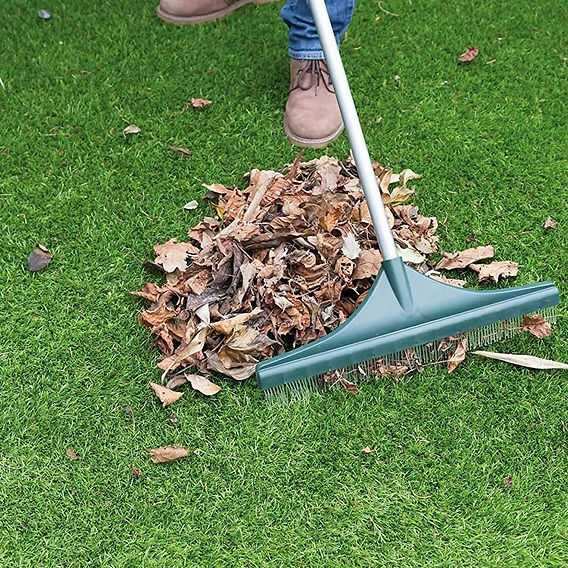
The easiest way to clean turf leaves is to use a leaf blower or a garden rake to clear away debris quickly and efficiently. For stubborn dirt, a gentle wash with water and a mild detergent can do the trick, ensuring your turf remains pristine and inviting. Regular maintenance prevents buildup and keeps your turf looking fresh all season long.
Keeping your turf clean from leaves is essential for maintaining its vibrant appearance and health. When autumn arrives or trees shed, leaves can quickly accumulate, smothering the grass and creating a dull, unkempt look. Removing these leaves promptly not only enhances the aesthetic appeal but also prevents potential damage caused by moisture retention or mold growth. Whether you prefer the quick power of a leaf blower or the more hands-on approach of raking, staying on top of leaf removal is key. A little regular effort goes a long way in preserving the lush, green beauty of your turf.

How to Clean Turf Leaves: A Complete Guide
Keeping turf leaves clean is essential for maintaining a healthy and attractive lawn. Leaves can clog drainage systems and promote mold growth if not removed properly. This guide will guide you through the best methods to clean turf leaves efficiently and safely.
Understanding the Importance of Cleaning Turf Leaves
Leaves on turf can cause several problems if left unattended. They block sunlight from reaching the grass, which can stunt growth and weaken your turf. Additionally, decomposing leaves create a layer of mulch that holds moisture too long, leading to fungal infections.
Regularly cleaning turf leaves helps preserve the vibrancy and health of your grass while preventing pests and diseases. It also improves the overall appearance of your yard and keeps it safe for outdoor activities.
Tools Needed for Cleaning Turf Leaves
Before starting, gather the right tools to make the task easier. Having the appropriate equipment will help you clean quickly and effectively. Here’s what you’ll need:
- Leaf Rake: A flexible rake with curved tines designed for turf helps gather leaves without damaging the grass.
- Leaf Blower: An electric or gas-powered blower quickly clears leaves from large areas.
- Garden Broom: For smaller spaces or detailed work, a sturdy broom can be useful.
- Tarps or Yard Bags: To collect and transport leaves for disposal or composting.
- Gloves and Safety Gear: Protect your hands and eyes during cleanup, especially when using power tools.
Manual Techniques for Removing Turf Leaves
Using a Leaf Rake Effectively
A leaf rake is a simple yet effective tool for turf leaf removal. Begin by raking gently to avoid damaging delicate grass blades. Rake in a consistent pattern, working from the edges toward the center of the yard.
Make sure to gather the leaves into small piles for easier collection. Use your hands or a garden fork to lift the piles onto a tarp or into yard bags. Regular raking prevents leaf buildup and reduces lawn stress.
Best Practices for Raking
- Work during dry weather for better leaf collection and less clumping.
- Rake when leaves are dry for easier handling and minimal lawn damage.
- Use a light touch to avoid uprooting or damaging turf grass.
- Change your raking pattern regularly to cover the entire yard uniformly.
Using Power Tools to Clean Turf Leaves
Leaf Blower Techniques
Leaf blowers significantly reduce the time spent cleaning turf leaves. Start by setting the blower to the appropriate power level for your yard size and leaf density. Work in sections, blowing leaves into manageable piles.
Always move the blower in a consistent direction to prevent missing areas. Keep the nozzle at a safe distance from grass blades to avoid damage. Use a wide sweeping motion for efficiency and control.
Safety Tips for Power Tool Use
- Wear protective eyewear and ear protection during operation.
- Check the area for obstacles or children before blowing leaves.
- Maintain a steady, controlled pace to prevent flying debris.
- Regularly inspect and clean your equipment for optimal performance.
Automated and Alternative Leaf Removal Methods
Leaf Vacuum Machines
Leaf vacuums combine suction and collection, making them ideal for small to medium-sized yards. They are easy to operate and cause minimal disturbance to your turf.
Ensure your vacuum is suitable for turf use, with adjustable height settings and gentle suction to prevent turf damage. Regular emptying of the collection bag keeps the machine working efficiently.
Natural Alternatives and Composting
Instead of disposing of leaves, consider composting them. Leaves are rich in carbon and can be shredded using a mulching mower, then added to your compost pile.
This process creates nutrient-rich compost that benefits your garden and reduces waste. Cover the compost pile to accelerate decomposition and prevent pests.
Tips for Maintaining a Leaf-Free Turf Year-Round
- Schedule regular leaf removal sessions during the fall and early winter.
- Use weather forecasts to plan cleanup days after windy days or storms.
- Install leaf screens or barriers around trees to catch leaves before they spread extensively.
- Apply lawn aeration and fertilization to strengthen turf resilience against leaf buildup.
Preventive Measures to Reduce Leaf Accumulation
Trimming overhanging branches can significantly reduce the number of leaves falling onto your turf. Regularly pruning trees and shrubs also encourages healthier growth and fewer dead leaves.
Planting evergreen trees or shrubs nearby minimizes leaf fall compared to deciduous trees. Consider using ground covers or mulching to protect turf areas from leaf debris.
Environmental and Safety Considerations
Always use eco-friendly tools and methods whenever possible. Avoid blowing leaves into neighbors’ yards or public spaces, which can create hazards.
Dispose of leaves responsibly by composting, recycling, or following local waste disposal guidelines. Proper disposal prevents clogging drains and reduces environmental impact.
Additional Tips for Effective Turf Leaf Cleaning
- Work in the early morning or late afternoon when dew is absent for easier cleanup.
- Combine raking and blowing for larger yards to save time and effort.
- Inspect your turf after cleanup for any areas needing reseeding or repair.
- Keep your tools clean and well-maintained for best results and longevity.
By following these detailed methods and tips, you can keep your turf leaves under control, ensuring a healthy and beautiful lawn throughout the seasons. Regular maintenance and the right tools make leaf cleanup a manageable task, enhancing the overall look and safety of your outdoor space.
Cleaning artificial grass – the correct way. #artificialgrass #diy #cleaning #turf
Frequently Asked Questions
What tools are best for removing leaves from turf?
Using a leaf rake with flexible tines effectively gathers leaves without damaging the turf. A leaf blower can also be handy for quick cleanup, especially in larger areas. For stubborn debris, a garden fork or a sturdy broom can help loosen and pick up leaves that are stuck into the turf fibers.
How can I prevent leaves from accumulating on my turf?
Regularly inspecting and cleaning the turf helps prevent leaves from settling and causing buildup. Trimming nearby trees to reduce leaf drop, installing barriers or netting, and scheduling routine cleanups during the fall season can minimize leaf accumulation and keep your turf looking pristine.
What should I do if leaves are embedded deep within the turf fibers?
For leaves lodged deeply in the turf, use a garden rake with firm tines to gently lift and loosen them. Avoid using excessive force to prevent damaging the turf. In some cases, lightly brushing the turf with a stiff-bristled broom can help dislodge embedded leaves without harming the surface.
Is it necessary to water the turf after cleaning leaves?
Watering the turf after removing leaves helps wash away any residual debris and allows the turf to recover quickly. It also prevents the turf from drying out and assists in maintaining its overall health and appearance, especially after a thorough cleaning.
Can I use a pressure washer to clean leaves off turf?
Using a pressure washer can be effective for clearing leaves from turf, but it requires caution. Set the pressure to a low or medium level to avoid damaging the turf fibers. Keep the nozzle at a safe distance and move steadily across the surface to ensure a gentle yet thorough cleaning.
Final Thoughts
To clean turf leaves effectively, start by removing loose debris with a leaf blower or rake. Use a garden vacuum or sweeper for stubborn dirt and small leaves. Regular maintenance keeps your turf looking vibrant and healthy. Remember, how to clean turf leaves efficiently ensures a neat appearance and prolongs your turf’s lifespan.