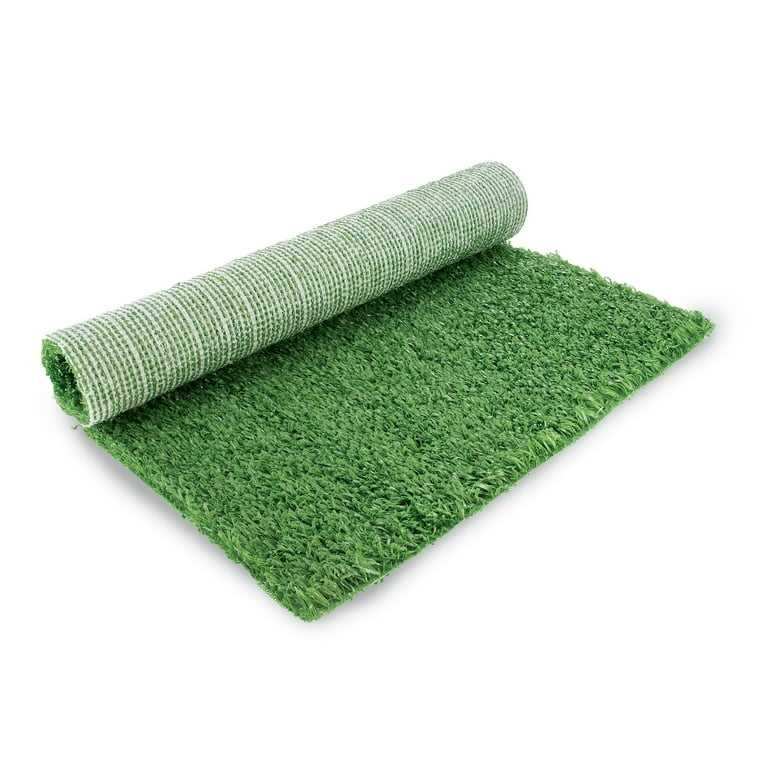
To keep pet loo grass fresh and odor-free, simply remove solids daily and rinse the turf with water weekly. Use a mild soap or pet-safe disinfectant for a thorough clean, ensuring no residue is left behind. Let it air dry completely before the next use to prevent mold and bacteria buildup.
Cleaning pet loo grass is easier than you might think and essential for maintaining a healthy space for your furry friend. Regular upkeep not only keeps the area smelling fresh but also extends the life of the turf. A quick daily removal of waste combined with a weekly wash will keep your pet’s loo in top condition. The key is using gentle, pet-safe cleaning products and ensuring the grass dries fully before your pet uses it again. With a little routine, you can make this chore quick and stress-free, providing a cleaner environment for both you and your pet.

How to Clean Pet Loo Grass
Keeping pet loo grass clean is essential for your pet’s health and your home’s hygiene. Dirty or neglected grass can harbor bacteria, odors, and pests, making it unpleasant for both you and your furry friend. Proper cleaning methods will extend the lifespan of the grass and ensure your pet’s comfort.
Understanding the Types of Pet Loo Grass
Pet loo grass comes in different materials such as artificial grass, synthetic turf, or natural grass patches. Each type requires specific cleaning approaches to maintain its appearance and hygiene.
Artificial or synthetic turf is common because it is durable and easy to clean. Natural grass patches, on the other hand, need gentle care to prevent damage and promote healthy growth.
Why Regular Cleaning Matters
Regular cleaning helps reduce odors, prevent bacteria buildup, and eliminate waste residue. It also keeps pests away and prolongs the life of the grass surface.
Consistent cleaning boosts your pet’s safety and comfort, making their bathroom area a hygienic spot to use daily.
Tools and Supplies Needed for Cleaning
Before you start cleaning, gather the necessary tools. These include a sturdy brush, mild soap or pet-safe cleaner, a hose or water source, and disinfectant spray.
Optional supplies such as rubber gloves, a bucket, and a squeegee can make the process easier and more effective.
Step-by-Step Guide to Cleaning Pet Loo Grass
Removing Waste
Start by picking up solid waste with a plastic bag or scooper. Dispose of waste properly to prevent odor and contamination.
For urine, pour or spray water directly onto the affected area to dilute the urine and wash away residues.
Scrubbing the Surface
Use a brush with soft bristles to scrub the grass gently. Apply a mixture of water and mild soap or a pet-safe cleaner to break down stains and residues.
Focus on any stained areas or spots where odors are strong. Avoid using harsh chemicals that could harm your pet or damage the grass.
Rinsing Thoroughly
Rinse the grass with clean water using a hose or spray bottle. Ensure all soap residues are washed away to prevent build-up.
This step helps eliminate lingering smells and prepares the surface for disinfecting.
Disinfecting the Area
Spray a pet-safe disinfectant over the grass to kill bacteria and eliminate odors. Follow the manufacturer’s instructions for proper use.
Allow the disinfectant to sit for the recommended time before rinsing again with water.
Drying the Grass
Pat the grass dry with towels or allow it to air dry naturally. Proper drying prevents mold and maintains the texture of the grass.
If your pet’s loo is inside, ensure good ventilation to speed up the drying process.
Maintaining Your Pet Loo Grass Between Deep Cleanings
Regular spot cleaning can reduce the frequency of full cleanings. Remove waste immediately and rinse the area weekly.
Spraying deodorizer or pet-safe scent diffuser helps keep the area smelling fresh.
Dealing with Odors and Stains
- Odor Control: Use baking soda sprinkled on the grass before rinsing to absorb smells.
- Stain Removal: For stubborn stains, apply a mixture of water and white vinegar, then scrub gently.
Always test cleaning solutions on a small area first to prevent damage or discoloration.
Tips for Extending the Life of Pet Loo Grass
- Regular Cleaning: Cleaning weekly or bi-weekly maintains hygiene and appearance.
- Avoid Harsh Chemicals: Use pet-safe products to prevent irritation or damage.
- Proper Drainage: Ensure proper drainage to prevent water pooling and bacteria growth.
- Sunlight Exposure: Place the pet loo in a sunny spot if possible, as UV rays can help disinfect naturally.
Common Problems and How to Fix Them
Persistent Odors
If odors persist despite cleaning, consider replacing the grass if it’s old or heavily stained. Using enzyme-based cleaners can also help break down odor-causing bacteria.
Mold or Mildew Growth
Ensure the area dries thoroughly after cleaning. Apply a mold-inhibiting spray if necessary and improve ventilation.
Damaged or Worn Grass
Replace the turf sections that are frayed or damaged. Regular inspections can help catch problems early.
Additional Related Topics
- Choosing the Best Pet Loo Grass—Factors to consider such as material, size, and ease of cleaning.
- Eco-Friendly Cleaning Solutions—DIY recipes and natural cleaners safe for your pet and the environment.
- Training Pets to Use the Loo—Tips to make your pet comfortable with the setup and cleaning routine.
Cleaning pet loo grass regularly and correctly can make a noticeable difference in maintaining a healthy and odor-free environment. Use gentle, pet-safe products and stay consistent with your cleaning routine. With good care, your pet’s loo grass will stay fresh, clean, and inviting for a long time.
Cleaning my apartment dog's real grass toilet 🌱
Frequently Asked Questions
How often should I clean pet loo grass to maintain hygiene?
Cleaning your pet loo grass at least once a day helps prevent odors and bacteria buildup. Check the grass regularly for any missed waste, and remove soiled sections promptly. Regular cleaning ensures a fresh environment for your pet and extends the lifespan of the grass.
What cleaning solutions are safe for pet loo grass?
Use mild, pet-safe disinfectants or diluted vinegar solutions to clean the grass. Avoid harsh chemicals that could harm your pet or damage the material. Gently scrub the surface with a soft brush or cloth to remove residues and odors.
How can I effectively remove stubborn stains from pet loo grass?
For stubborn stains, soak the affected area with warm water and a gentle, pet-safe cleaner. Let it sit for a few minutes before scrubbing lightly with a soft brush. Rinse thoroughly to ensure no residue remains, then allow the grass to air dry completely.
Is it necessary to replace the pet loo grass periodically?
Yes, replacing the grass every few months or when it shows signs of excessive wear helps maintain hygiene. Regular replacement prevents bacteria buildup and keeps your pet comfortable and healthy.
Can I sanitize pet loo grass in a washing machine?
Most pet loo grasses are not designed for machine washing. Instead, use hand cleaning methods with safe cleaning solutions. Always check the manufacturer’s instructions to avoid damaging the grass or voiding any warranties.
Final Thoughts
To clean pet loo grass effectively, start by removing solid waste with a scoop or gloves. Rinse the grass with warm water to eliminate urine stains and odors. Use a gentle disinfectant or pet-safe cleaner to sanitize the surface thoroughly. Rinse again to ensure no residue remains, then let it dry completely before reuse. Proper maintenance ensures your pet’s space stays fresh and hygienic. Remember, knowing how to clean pet loo grass properly helps maintain a clean, odor-free environment for your pet.