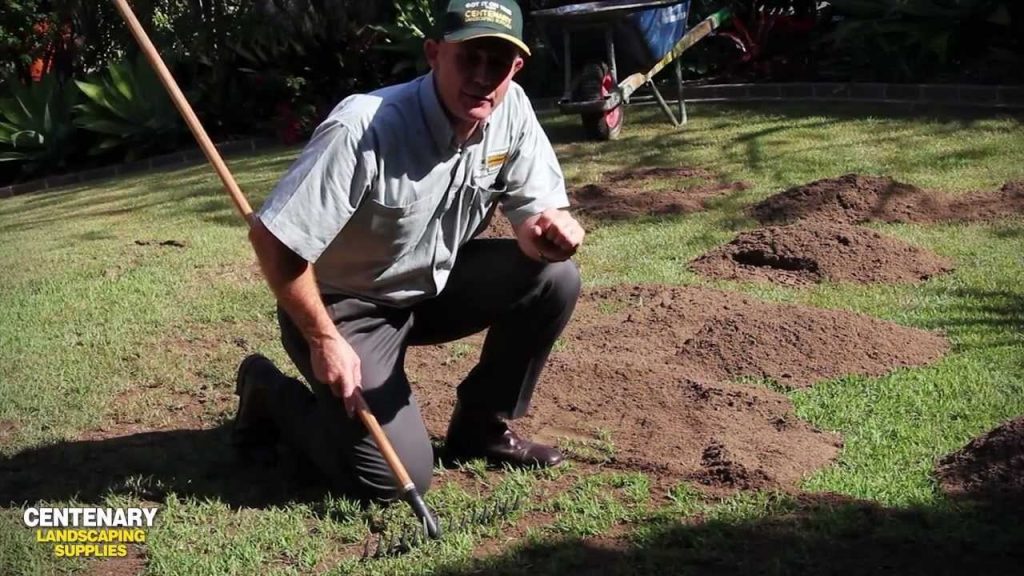
The best time to top dress your lawn is in early spring or early fall. **March to May and September to October** offer ideal conditions for lawn growth and health. As you ponder the question, “What month should I top dress my lawn?”, consider that timing is key to ensuring your lawn receives the nourishment it needs.
Top dressing not only improves soil quality but also helps with drainage and weed prevention. By applying a thin layer of compost or soil mix, you create a thriving environment for your grass to flourish. Get ready to give your lawn the boost it deserves!

What Month Should I Top Dress My Lawn?
Top dressing your lawn is an essential part of keeping it healthy and looking its best. But when is the right time to do it? The timing of top dressing can significantly affect the results, so understanding when to take this important step is key. This guide will explore the best month to top dress your lawn, factors to consider, and the benefits of doing it correctly.
Understanding Top Dressing
Before we dive into the timing, let’s clarify what top dressing is. Top dressing involves applying a thin layer of soil, compost, or a combination of both to the surface of your lawn. This process can benefit your lawn in multiple ways, including:
- Improving soil structure
- Enhancing drainage
- Promoting healthy grass growth
- Reducing thatch buildup
- Providing essential nutrients
Best Time to Top Dress Your Lawn
Choosing the right month for top dressing depends on your local climate and the type of grass you have. Generally, spring and fall are the best times. Here’s a closer look:
Spring Top Dressing
In areas with cool-season grasses, early spring is often the ideal time for top dressing. Here’s why:
– **Grass Awakening**: As temperatures rise, grass begins to grow again. Top dressing at this time can provide the nutrients needed for a vigorous start.
– **Soil Temperature**: The ground is warming, which helps microbes break down organic matter in the top dressing material.
– **Aeration Opportunity**: Spring is also a good time for aeration, and top dressing right after aerating can help fill holes and promote recovery.
However, if you are in a warmer climate with warm-season grasses, it might be best to delay top dressing until late spring. This ensures the grass is actively growing and can benefit most from the nutrients.
Fall Top Dressing
For cool-season grasses, fall is another excellent time to top dress your lawn. Here’s why:
– **Soil Health**: The soil remains warm during early fall, allowing beneficial microbes to continue working even as temperatures drop.
– **Recovery**: After the summer heat, grass often suffers from stress. Top dressing can help it recover and prepare for winter.
– **Seedling Support**: If you plan to overseed, adding a layer of soil helps seeds establish better contact with the ground.
For warm-season grasses, fall top dressing isn’t recommended, as the grass is going dormant. Instead, focus on spring for this type of grass.
Factors to Consider Before Top Dressing
Timing is crucial, but there are additional factors to consider to ensure successful top dressing:
Type of Grass
Knowing your grass type is vital. Cool-season grasses, like Kentucky bluegrass, thrive in spring or fall, while warm-season grasses, like Bermuda, do best in late spring. Identify your grass type and plan accordingly.
Soil Condition
You must assess your soil’s condition before top dressing. If the soil is compacted or has poor drainage, consider aerating beforehand to allow the top dressing material to penetrate.
Local Climate
Your local climate will greatly influence the best top dressing time. If you live in a region with harsh winters, fall may be better than spring, as the grass will have a chance to strengthen before the cold.
Current Lawn Health
If your lawn is struggling due to pests, diseases, or excessive thatch, it may be wise to address those issues first before top dressing. A healthy lawn will better benefit from top dressing.
Benefits of Top Dressing Your Lawn
Top dressing offers a variety of benefits that can significantly improve your lawn’s health and appearance. These include:
Nutrient Enrichment
Top dressing materials, particularly compost, are rich in nutrients. This provides essential elements your grass needs to thrive, enhancing growth and color.
Thatch Reduction
Thatch is a layer of organic debris that can build up on your lawn. Top dressing helps break this down, facilitating better air and water movement in the soil.
Soil Aeration
A proper top dressing can create space in the soil, allowing roots to spread and access nutrients and water more efficiently.
Improved Drainage
Applying top dressing helps improve the soil structure, which can enhance drainage. This is especially helpful in areas prone to flooding or standing water.
Weed Suppression
A healthy lawn can suppress weeds naturally. By adding a nutrient-rich layer to your lawn, you’re promoting stronger grass that can outcompete weeds.
How to Top Dress Your Lawn Effectively
Once you’ve determined the best time to top dress your lawn, it’s essential to know how to do it effectively. Follow these steps:
Gather Your Materials
You’ll need:
- High-quality compost or topsoil
- Rake
- Shovel
- Wheelbarrow (if necessary)
- Watering can or hose
Prepare Your Lawn
– **Mow**: Start by mowing your lawn to a lower height. This allows for better penetration of the top dressing material.
– **Clean**: Remove debris like leaves, sticks, and any dead grass clippings.
Apply Top Dressing
– **Spread**: Use a shovel to spread a thin layer of the top dressing material evenly over your lawn. Aim for about ¼ to ½ inch.
– **Rake**: Use a rake to help distribute the material. Make sure it gets into the grass so it can make contact with the soil.
– **Water**: After applying the top dressing, water your lawn lightly to help settle the material.
Monitor Your Lawn
After top dressing, keep an eye on your lawn’s progress. Look for signs of improvement, such as greener grass and better growth. It may take a few weeks, but the benefits will be noticeable.
Top dressing can be a simple yet effective way to care for your lawn. By understanding the best month to do it, along with the benefits and techniques involved, you can keep your lawn healthy and thriving all year round.
In conclusion, knowing the right month to top dress your lawn is crucial for achieving optimal results. Whether you choose spring or fall, addressing your lawn’s needs with proper top dressing can lead to a lush and vibrant outdoor space. Remember to consider your grass type, local climate, and soil condition as you plan your lawn care strategy. With proper timing, techniques, and care, your lawn will flourish, providing a beautiful green space for you and your family to enjoy.
Should You Top Dress Your Lawn??
Frequently Asked Questions
What are the signs that indicate it’s time to top dress my lawn?
Look for signs such as uneven grass growth, bare patches, or compacted soil. If your lawn has difficulty draining or shows signs of stress during dry periods, it may also benefit from top dressing. Additionally, if your grass appears thin or lacks vibrancy, a top dressing can help rejuvenate it.
How do weather conditions affect the timing of top dressing?
Weather plays a crucial role in determining the best time for top dressing. You should aim to top dress your lawn when the ground is not frozen and the grass is actively growing. Early spring and early fall generally offer ideal conditions, as temperatures are moderate, and rainfall is more frequent, facilitating the absorption of nutrients.
Can I top dress my lawn if it has recently been fertilized?
Yes, you can top dress your lawn after fertilization, but it’s best to wait a few weeks. This allows the fertilizer to penetrate the soil and the grass to absorb the nutrients effectively. Topping off your lawn afterward helps to further promote healthy growth and improve soil quality.
What materials should I use for top dressing my lawn?
Common materials for top dressing include a mixture of compost, topsoil, or sand. Compost enriches the soil with nutrients, while topsoil improves soil structure and drainage. Sand can enhance drainage and help level uneven areas. Choose a mix that suits your lawn’s specific needs based on its soil type and condition.
How thick should the top dressing layer be?
Applying a layer of about 1/4 to 1/2 inch is generally ideal for top dressing. Be cautious not to exceed this thickness, as too much material can suffocate the grass and impede its growth. Focus on even distribution to ensure your lawn receives an adequate supply of nutrients without overwhelming it.
Final Thoughts
Top dressing your lawn at the right time ensures healthy growth and vitality. The best month for this task typically falls in early spring or early fall, depending on your region and grass type.
In spring, your lawn begins to awaken from dormancy, making it an ideal time to add nutrients. Conversely, fall rejuvenates grass as it prepares for winter, supporting strong roots.
In summary, consider the climate and grass type in your area. “What month should I top dress my lawn?” Timing can significantly impact your lawn’s health and appearance.