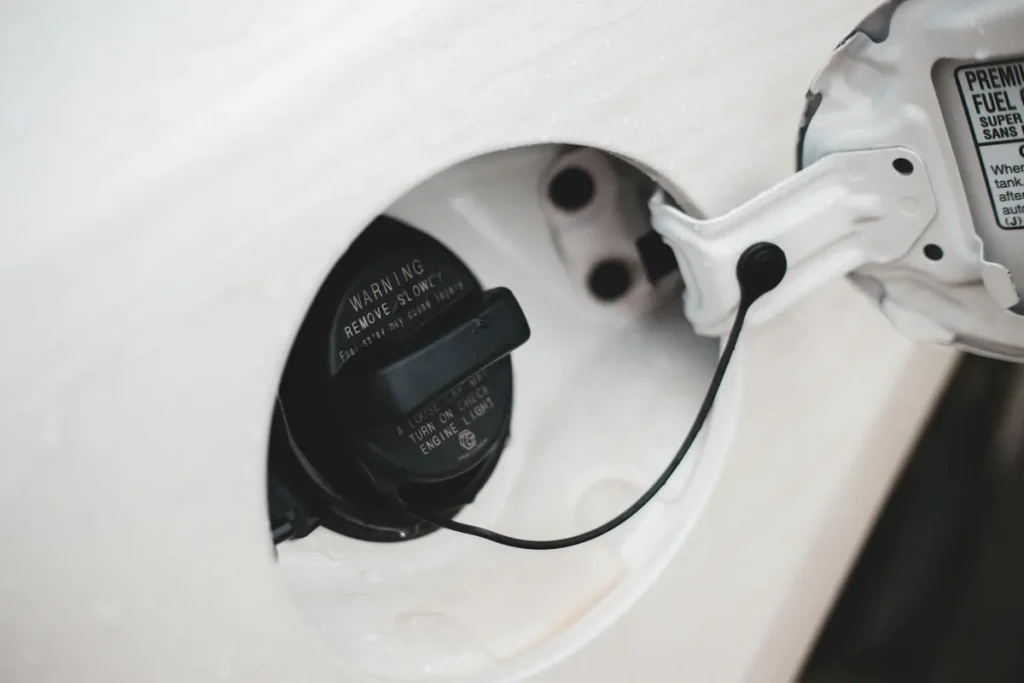
Knowing how to clean lawn mower gas cap vent is one of those fixes that sounds too simple to actually work, and yet it solves one of the most common misdiagnosed problems in small engines. Your mower starts fine, runs for a few minutes, then cuts out. You restart it, it runs, it dies again. The carburetor gets the blame, but the real culprit is usually a hole barely bigger than a pinhead.
That hole is the gas cap vent, and when it clogs, your fuel tank creates a vacuum that starves the engine. As of 2026, maintenance documentation from Briggs & Stratton and Honda Power Equipment both list a blocked cap vent as a first-check item before touching the carburetor. The vent opening is typically between 0.5mm and 1.5mm in diameter. Here's what's going on, and how to clear it in under 15 minutes.
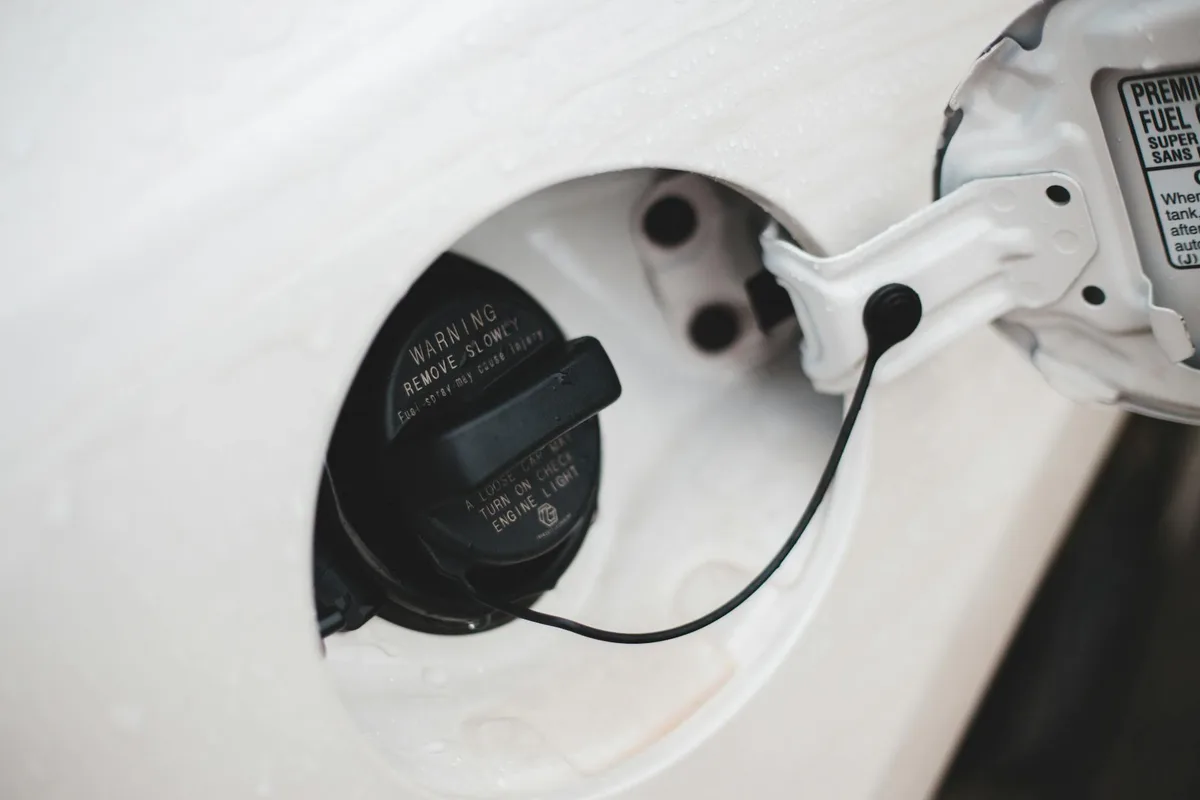
Why Your Mower Runs for a Few Minutes Then Cuts Out
The engine isn't the problem. The fuel tank is.
As fuel drains from the tank into the carburetor, something needs to fill the space it leaves behind. That something is air, pulled in through the tiny vent hole in your gas cap. Without it, the tank seals itself and a vacuum builds up gradually.
Once that vacuum gets strong enough, fuel can't flow against it. The engine starves and stalls. You wait a minute, the pressure partially equalizes through the cap threads, you restart, and the whole cycle repeats. Service technicians call this fuel starvation or vacuum lock.
The fix is usually a needle and five minutes, not a carburetor rebuild.
What the Gas Cap Vent Actually Does
The gas cap vent is a calibrated pressure-relief point built into the cap body. Its job is simple: let air into the tank as fuel is consumed, so pressure stays balanced and fuel keeps flowing freely to the carburetor.
Some caps use a straightforward pinhole design. Others, especially on newer or commercial-grade mowers, use a one-way breather valve or a vented membrane that lets air in while keeping fuel vapor from escaping outward. Both designs fail the same way: dried fuel varnish, dirt, grit, or even a spider web blocks the opening and kills the airflow.
The vent doesn't need to be fully sealed to cause a problem. Even a 70% blockage creates enough restriction to stall the engine under normal load.
The Loose Cap Test: Fastest Way to Confirm the Vent Is the Problem
Run the mower normally until it stalls. Then, without waiting more than 30 seconds, loosen the gas cap half a turn. Don't remove it entirely. Just crack it open and try to restart.
If the mower fires right up and runs normally with the cap loosened, the vent is confirmed as the cause. The loose cap is now doing the vent's job, letting air in around the threads. If it still stalls with the cap loose, the problem lies elsewhere. Check the fuel filter, carburetor, or spark plug before going any further with the cap.
What a Blocked Vent Looks Like vs. a Clear One
Hold the cap up to a bright light and look directly at the vent hole. A clear vent shows a small but visible pinpoint of light through the cap body, or a tiny opening on the underside near the gasket.
A blocked vent shows nothing. The hole looks filled with dark residue, typically dried and oxidized fuel varnish, or fine packed grit. On mowers stored outdoors, a small insect or spider will sometimes seal the vent with debris entirely.
Occasionally the blockage is internal: a warped or hardened breather membrane that appears intact from the outside but no longer passes air. You'll confirm that case during the blow test in the cleaning steps below.
Tools and Materials You Need
You don't need special equipment. Most of what you need is probably already in a kitchen drawer or a basic home toolkit.

For clearing the vent:
- Fine sewing needle, safety pin, or straightened paperclip
- Aerosol carburetor cleaner spray
- Small container for soaking (a bottle cap or jar lid works fine)
- Can of compressed air
For reassembly and inspection:
- Clean rag or paper towels
- Safety glasses
- Nitrile gloves (recommended when handling solvents)
- Magnifying glass (useful for locating the vent hole on small or worn caps)
One thing to leave out of the kit: any tool wider than the vent hole itself. Using a thick wire or a full-size drill bit to force the vent open often enlarges it past its designed diameter. That changes the cap's calibrated airflow rate and, on EPA-regulated small engines, can affect emissions compliance. A standard sewing needle is the right tool precisely because it's narrow enough to break up the clog without damaging the opening.
Safety Steps Before You Remove the Cap
Fuel and cleaning solvents both deserve a little respect before you start. These steps take under two minutes and matter more than they look.
- Let the engine cool fully. Wait at least 15 to 20 minutes after shutting down. Hot engine surfaces near fuel vapor are a genuine ignition risk.
- Move to a ventilated space. Carburetor cleaner and acetone fumes build quickly in enclosed garages. Even a cracked door helps significantly.
- Remove ignition sources. That means no nearby pilot lights, no running power tools, no lit cigarettes anywhere in the workspace.
- Place a rag under the cap before unscrewing it. Fuel will drip when the cap comes off. Having a rag ready keeps it off a hot engine block and off your concrete floor.
- Wear gloves if you have them. Repeated skin contact with gasoline and carburetor cleaner is an irritant. Nitrile gloves are cheap insurance.
Per guidelines from the Occupational Safety and Health Administration (OSHA), flammable liquids including gasoline and common cleaning solvents require adequate ventilation and removal of ignition sources during handling. These aren't just cautious recommendations. Gasoline vapor ignites at concentrations as low as 1.4% in air, and carburetor cleaner is considerably more volatile than that.
How to Clean a Lawn Mower Gas Cap Vent: Step-by-Step
With the engine cooled and your tools ready, here's the full process from cap removal to reinstall.
Step 1: Remove the Cap and Inspect It
Unscrew the gas cap slowly and set it face-up on your work surface. Before doing anything else, look at the underside. Check two things: the condition of the rubber O-ring gasket (it should be flexible and flat, not cracked or stiff) and the location of the vent hole itself.
Step 2: Find the Vent Hole
Hold the cap up to a light source and rotate it slowly. On most walk-behind mower caps, the vent is a single hole drilled through the top or side of the cap body. On riding mower caps, it may sit on the underside near the gasket channel.
Some modern caps have a breather membrane integrated into the body rather than a visible pinhole. If you can't find an opening at all after a close inspection, a solvent soak is your primary method. A needle won't help on a membrane design.
Step 3: Clear the Blockage with a Needle or Pin
Insert a fine sewing needle or safety pin straight into the vent hole with a gentle in-and-out motion. Don't force it or twist it. The goal is to break up dried varnish or packed grit, not to widen the opening.
Work the needle several times, then wipe the area clean with a rag to remove dislodged debris. Do this before soaking. Mechanical clearing loosens what the solvent then dissolves.
Step 4: Soak in Carburetor Cleaner or Acetone
Pour a small amount of carburetor cleaner into a bottle cap or jar lid, enough to submerge the gas cap. Let it sit vent-side down for 10 to 30 minutes. The solvent breaks down oxidized fuel varnish that a needle alone can't fully clear.
Acetone works as a substitute if carburetor cleaner isn't available. Fresh gasoline can dissolve light deposits in a longer soak, though it's less effective on heavy buildup.
Step 5: Blast Through with Compressed Air
Shake excess solvent off the cap and direct a short burst of compressed air straight into the vent hole. Aim for 30 to 60 PSI, moderate pressure rather than full blast. You're pushing out any residue the soak softened but didn't flush away.
Point the vent hole away from your face before you fire. Loosened varnish fragments can eject with enough force to be a nuisance.
Step 6: Run the Blow Test to Confirm It's Open
Put the cap to your lips and blow gently through the vent hole. Air should pass through with very little resistance. If it flows easily, the vent is clear and you're done with this step.
If you're still getting significant resistance, repeat the soak and needle steps before moving on. Reinstalling a partially blocked cap will just bring the stalling problem back within a few uses.
Step 7: Check the Gasket and Reinstall
Inspect the O-ring or flat gasket one final time. A cracked, hardened, or permanently compressed gasket won't seal properly, and fuel will weep around the cap regardless of how clean the vent is. Replacement gaskets for most mower brands cost under $5 from small engine parts suppliers.
Once both the vent and gasket pass inspection, thread the cap back on firmly without over-tightening. Snug it down fully, then stop. Excessive torque compresses the gasket unevenly and shortens its useful life.
Clean It or Replace It: How to Decide
Cleaning resolves the problem in most cases. Replacement makes sense in a specific set of situations.
Replace the cap when:
- The vent hole is physically enlarged or damaged beyond its original diameter
- The breather membrane or check valve is visibly warped, torn, or collapsed and doesn't pass the blow test after soaking
- The rubber gasket is cracked, missing, or permanently deformed
- Cleaning has been needed more than once in the same season with no lasting fix
- The cap body is cracked, warped, or won't thread and seat squarely
Replacement caps for most common mower brands range from $5 to $20. Briggs & Stratton, Honda Power Equipment, Kawasaki, and Toro all publish OEM part numbers in their owner's manuals, which makes finding a correct-fit cap straightforward. Avoid universal-fit caps when an OEM option exists: the thread pitch and vent calibration need to match your engine's fuel system.
Manufacturer service documentation consistently supports cleaning as the first attempt on mowers under 10 years old before defaulting to replacement.
Mistakes That Make the Problem Worse
A few common errors turn a quick fix into a repeat problem.
- Enlarging the vent hole. Using a thick wire, nail, or drill bit widens the opening past its calibrated diameter. On EPA-compliant small engines, this can affect fuel vapor control. A fine sewing needle is the right tool precisely because it fits without damaging the hole.
- Skipping the blow test. Reassembling after a quick needle pass without confirming airflow is the most common reason people end up repeating this fix a week later. The vent looks open but isn't.
- Reusing a damaged gasket. A clean, functional vent won't help if fuel is leaking around a cracked O-ring. Always inspect the gasket before reinstalling.
- Soaking for less than 10 minutes. Light varnish clears quickly, but heavier deposits from old or degraded fuel need the full soak time. Rushing this step is why some clogs come back.
- Not addressing the root cause. If the vent clogs repeatedly season after season, old fuel is the reason. Draining the tank before storage or adding a fuel stabilizer at shutdown prevents the varnish buildup that causes this problem in the first place.
Gas Cap Vent Differences Across Walk-Behind, Riding, and Zero-Turn Mowers
Cap design varies more than most people expect, and that affects your cleaning approach.
Walk-behind mowers (push and self-propelled) typically use a small plastic cap with a straightforward pinhole vent. These are the easiest to clean and the most common source of the stalling symptom, since they're used frequently and often stored with partial fuel left in the tank.
Riding mowers use a larger-diameter cap with a more complex seal. On some models, the cap is tethered to the fuel neck so it can't be lost during refueling. The vent on riding mower caps is often positioned on the underside near the gasket rather than through the top, which makes it harder to spot without holding the cap up to light.
Zero-turn mowers and commercial-grade equipment frequently use caps with an integrated check valve or breather membrane instead of a simple hole. These caps resist debris clogging better than pinhole designs but are more likely to fail from internal membrane degradation over time. A solvent soak is the correct approach for these. Needle clearing does nothing if the membrane itself has hardened or collapsed.
When sourcing a replacement, always use the model number on the mower deck or engine shroud to cross-reference the manufacturer's parts catalog. A physically compatible cap that uses the wrong vent design can cause fuel overflow or insufficient tank venting under load.
How Often to Clean or Check the Gas Cap Vent
There's no fixed cleaning interval in most owner's manuals, but a practical schedule is simple.
Check annually as part of pre-season startup. Run the blow test on the cap before the first mow of the year. If air passes freely, you're good to go. If you feel noticeable resistance, clean it before it causes a stall mid-job.
Clean immediately any time the mower shows the classic symptom: running normally for a few minutes and then cutting out. Don't wait for the next scheduled maintenance window.
Mowers stored over winter with fuel in the tank are the highest-risk cases for a clogged vent. Gasoline begins to oxidize and leave varnish deposits within 30 days without a stabilizer. Adding a product like Briggs & Stratton Fuel Treatment or STA-BIL before storage significantly reduces buildup in both the cap vent and the carburetor bowl, and makes pre-season startup considerably less eventful.
FAQs
Why does my mower start fine but die after a few minutes every time?
The most likely cause is a blocked gas cap vent creating a vacuum in the fuel tank. Run the loose cap test described earlier: crack the cap open half a turn and try to restart immediately after stalling. If the mower runs normally with the cap loosened, the vent is the culprit and the cleaning steps above will fix it.
Can I use WD-40 to clean the gas cap vent?
WD-40 won't work here. It's a water displacer and light lubricant, not a solvent, so it can't dissolve dried fuel varnish. Aerosol carburetor cleaner or acetone are the correct tools: both cut through oxidized gasoline residue effectively, which is exactly what blocks the vent hole after periods of storage.
How do I know if my gas cap has a vent at all?
Hold the cap up to a light and look closely at the body and underside. A vented cap will show a small hole, a membrane, or a tiny valve opening somewhere on the cap. A completely sealed cap with no visible opening is a non-vented design, meant for use alongside a separate vent fitting elsewhere on the fuel tank. If your cap is non-vented, cleaning it won't resolve the stalling problem.
The external vent fitting is where to look next.
The vent is clear but my mower still stalls. What else could it be?
A clear vent rules out fuel starvation from the cap specifically. The next things to check are the inline fuel filter (a clogged filter produces an almost identical run-then-die pattern), the carburetor float bowl (varnish buildup restricts fuel delivery the same way a blocked vent does), and the fuel line for any kinks or hairline cracks. A heavily fouled air filter can also cause stalling under load, though it usually presents with engine surging rather than a clean cutout.
Will a universal replacement gas cap work on my mower?
Not always reliably. Thread pitch, cap diameter, and vent type vary across engine manufacturers, and a cap that physically fits the fuel neck may have the wrong vent calibration for your specific fuel system. Too large a vent causes excessive vapor loss; too small creates the same restriction problem you're trying to solve. Source a replacement using your mower's model number cross-referenced with the manufacturer's OEM parts catalog.
Briggs & Stratton, Honda Power Equipment, Kawasaki, and Toro all maintain searchable parts databases on their official sites.
How long does a lawn mower gas cap typically last?
The rubber gasket usually degrades before the cap body does. In hot climates with frequent use, gaskets can harden or crack within 3 to 5 years. In moderate climates with seasonal mowing, a well-maintained cap can stay serviceable for a decade or more. The vent itself doesn't wear mechanically: it either stays clear or clogs, and a proper cleaning restores full function unless the cap body is cracked or the internal membrane has physically failed.