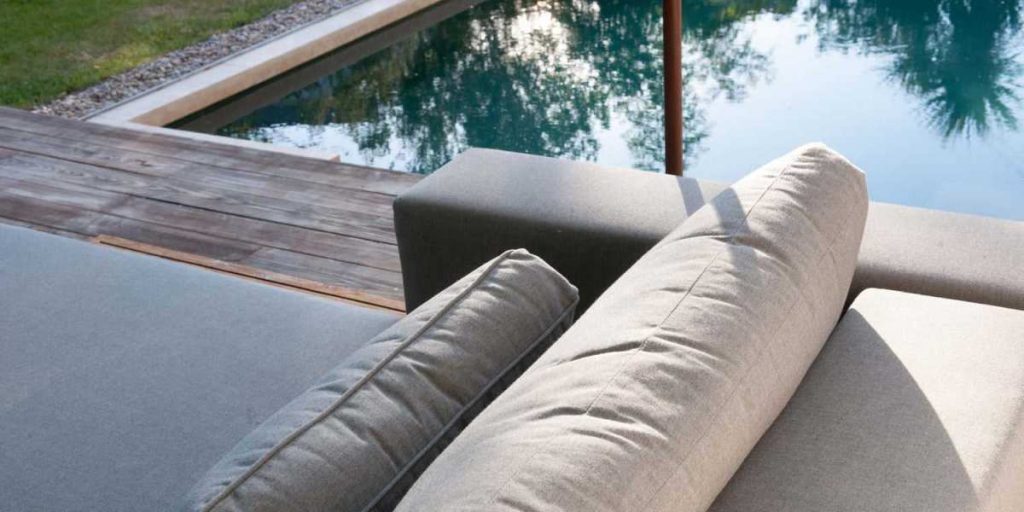
To effortlessly refresh your lawn furniture fabric, start by vacuuming loose dirt, then gently spot-clean stains with a mixture of mild soap and water. For a deep clean, lightly scrub the fabric with a soft brush and rinse thoroughly. Allow it to air dry for a clean, bright finish that looks like new!
Cleaning lawn furniture fabric might seem daunting, but with the right techniques, it’s simple and effective. Over time, outdoor fabrics gather dirt, pollen, and stains from exposure to the elements, making regular cleaning essential to keep your furniture looking fresh and inviting. Fortunately, most fabrics can be cleaned with basic household supplies and a little patience. Whether your fabric has become stained or just needs a refresh after winter, this guide will walk you through easy steps to restore your outdoor furniture’s appearance and extend its lifespan. No harsh chemicals or special tools are needed—just some common cleaning supplies and a little elbow grease.

How to Clean Lawn Furniture Fabric
Keeping your lawn furniture fabric clean is crucial for maintaining its appearance and extending its lifespan. Dirt, stains, and outdoor elements can quickly make fabric look dull and worn out, so proper cleaning methods are essential. This guide will walk you through effective techniques to clean and care for your lawn furniture fabric, ensuring it stays fresh and inviting all season long.
Understanding Different Types of Lawn Furniture Fabric
Before starting any cleaning process, it’s important to identify the fabric type on your lawn furniture. Common materials include polyester, acrylic, olefin, and canvas. Each type reacts differently to cleaning agents and methods.
Polyester and Acrylic Fabrics
These synthetic fabrics are popular for outdoor furniture because they resist fading and mildew. They are generally easy to clean with mild soap and water. Be cautious with harsh chemicals, as they can damage the fibers.
Olefin Fabric
Olefin is highly resistant to moisture and stains. It requires gentle cleaning using soap and water, avoiding abrasive scrubbers that could wear down the fabric’s surface.
Canvas and Natural Fabrics
Canvas and other natural fabrics might need special attention. They can absorb stains more easily and might require pre-treatment before washing. Always check manufacturer instructions for these materials.
Preparation Before Cleaning
Start by removing loose dirt and debris from the fabric surface. Use a soft brush or a handheld vacuum to gently clear away dust, leaves, or pet hair. This step prevents dirt from spreading or embedding deeper during cleaning.
Next, inspect for any stains or spots that need pre-treatment. Identify stubborn stains early to choose the right cleaning method.
Gathering Your Cleaning Supplies
Having the right tools and cleaning agents makes the process easier and more effective. Essential supplies include:
- Soft-bristled brush or sponge
- Mild dish soap or specialized fabric cleaner
- White vinegar
- Baking soda
- Spray bottle
- Garden hose with spray nozzle
- Microfiber cloths or towels
- Optional: Upholstery cleaning machine for deep cleaning
Step-by-Step Guide to Cleaning Lawn Furniture Fabric
Mixing a Gentle Cleaning Solution
Combine a few drops of mild dish soap with warm water in a spray bottle or bucket. For tougher stains, add equal parts white vinegar to boost cleaning power. Use a gentle, non-abrasive cleaner to prevent fabric damage.
Spot Cleaning Stains and Dirt
Spray the cleaning solution onto stained areas or lightly soiled patches. Let it sit for a few minutes to loosen dirt. Use a soft brush or sponge to gently scrub the fabric, focusing on the stained spots.
Cleaning the Entire Fabric Surface
Dip a sponge or soft brush into the soapy water and gently wash the entire fabric. Work in sections to ensure thorough cleaning. Be careful not to oversaturate the fabric, as excess water can lead to mold or mildew.
Rinsing Off Soap and Residue
Use a garden hose with a spray nozzle set to a gentle spray to rinse the fabric thoroughly. Removing all soap residue prevents streaks and keeps the fabric looking fresh.
Drying the Fabric Properly
Air drying is best for outdoor furniture. Use a microfiber cloth or towel to blot excess water from the fabric. Avoid direct sunlight for prolonged periods, as it may fade the colors. Ensure the fabric is completely dry to prevent mold formation.
Deep Cleaning Techniques for Stubborn Stains
If your fabric has tough stains or appears dirty after regular cleaning, consider deep cleaning methods. Steam cleaning or using an upholstery cleaner can provide a more thorough refresh.
Using a Steam Cleaner
A handheld steam cleaner can loosen dirt and kill bacteria without harsh chemicals. Follow the manufacturer’s instructions carefully. Always test on a small, inconspicuous area first.
Applying Baking Soda for Odor Removal
Sprinkle baking soda onto the fabric before vacuuming or brushing off. Baking soda absorbs odors and lifts dirt. Leave it on for at least 15 minutes for best results.
Cleaning Tips for Different Weather Conditions
Post-Rain Cleaning
After rain, wipe down your furniture to remove excess moisture. This prevents mold growth and keeps the fabric looking clean. Consider applying a waterproof spray for added protection.
Preparing for Winter
Clean and dry your fabric thoroughly before storing it away. Use protective covers or store the furniture indoors in a dry, ventilated space to extend its life.
Maintaining and Protecting Lawn Furniture Fabric
Regular maintenance will keep your fabric clean and in good shape longer. Brush off dirt weekly, and clean spills immediately to prevent stains from setting.
Applying a fabric protector spray can create a barrier against stains and water. Follow the product instructions carefully for the best results.
Storage Tips for Longevity
Store your furniture in a dry, covered area during harsh weather or when not in use for extended periods. Use breathable covers to shield against dirt, debris, and UV damage.
Additional Considerations for Specific Fabric Types
Natural Fabrics
Natural fabrics like cotton or linen may require gentle cleaning agents and careful drying. Avoid heavy scrubbing to prevent fiber damage.
Synthetic Fabrics
Most synthetic fabrics tolerate more vigorous cleaning but still benefit from gentle treatment to preserve their color and texture over time.
Related Topics for Better Lawn Furniture Care
- Choosing the Right Fabric Protector
- Best Cleaning Products for Outdoor Furniture
- DIY Homemade Cleaning Solutions
- How to Store Lawn Furniture During Winter
- Preventative Measures to Avoid Mildew and Mold
Proper cleaning and maintenance of your lawn furniture fabric keeps it looking vibrant and extends its usability. Regular care, combined with gentle cleaning techniques, ensures your outdoor space remains inviting and comfortable for friends and family.
How to Clean Outdoor Cushions | HGTV
Frequently Asked Questions
What is the best method to remove stains from lawn furniture fabric?
To remove stains from lawn furniture fabric, start by gently blotting the area with a clean cloth to absorb excess liquid. Mix a solution of mild dish soap and warm water, then use a soft-bristled brush or sponge to scrub the stained area gently. Rinse the fabric thoroughly with clean water and allow it to air dry. For stubborn stains, you may need to repeat the process or consider using a fabric-safe stain remover following the manufacturer’s instructions.
How can I prevent mold and mildew on outdoor fabric?
Prevent mold and mildew buildup by regularly cleaning your lawn furniture fabric with a mixture of water and vinegar or a specialized outdoor fabric cleaner. After cleaning, ensure the fabric dries completely before storing or covering it. Keep your furniture in a well-ventilated area and consider using outdoor furniture covers when not in use to minimize moisture exposure. Applying a fabric protector spray designed for outdoor use can also help resist dirt and moisture penetration.
What regular maintenance should I perform to keep the fabric looking fresh?
Perform routine maintenance by brushing off loose dirt and debris using a soft brush or broom. Every few months, clean the fabric with a gentle soap solution to remove any accumulated grime. Check for and repair any tears or damage promptly. Avoid leaving cushions or fabric covers in direct sunlight for extended periods to prevent fading and deterioration. Proper storage during harsh weather conditions can significantly prolong the fabric’s lifespan and keep it looking clean and fresh.
Final Thoughts
To clean lawn furniture fabric effectively, start by removing loose dirt and debris with a soft brush or vacuum. Mix mild soap with water and gently scrub the fabric using a soft cloth or sponge. Rinse thoroughly with clean water to prevent soap residue. Allow the fabric to air dry completely before use. Knowing how to clean lawn furniture fabric keeps your outdoor space fresh and inviting, ensuring your furniture lasts longer and stays vibrant.