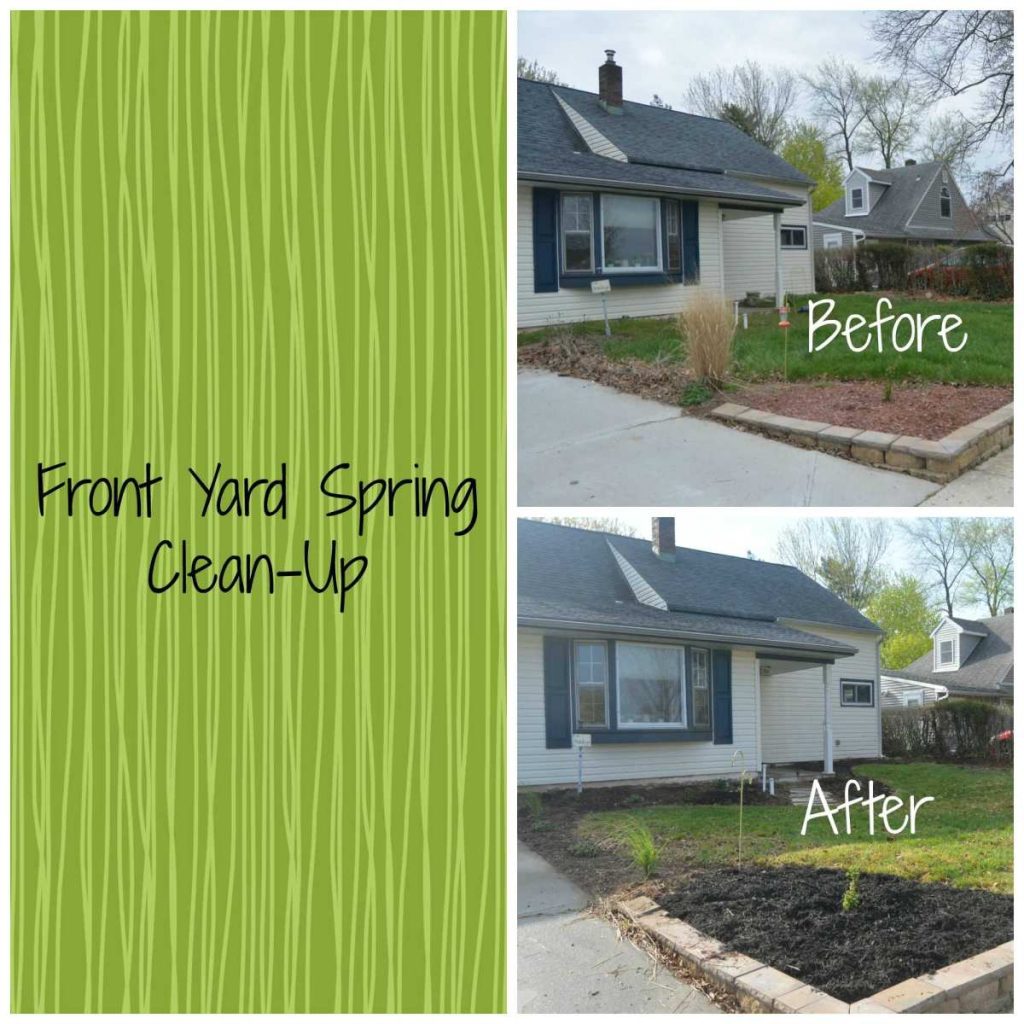
To quickly clean your front lawn, start by removing debris like leaves and sticks, then mow the grass to keep it neat, and finally, edge along the borders for a crisp look. Regular upkeep keeps your lawn looking fresh and inviting.
A sparkling front lawn instantly boosts your home’s curb appeal, but keeping it pristine can seem daunting. The key is consistent maintenance—removing trash, mowing, and trimming edges—along with occasional fertilizing and aeration. These simple steps will ensure your lawn remains healthy, clean, and beautiful year-round. By dedicating a little time each week, you can transform your outdoor space into a welcoming, stylish extension of your home.

How to Clean Front Lawn: A Step-by-Step Guide
Keeping your front lawn clean is essential for creating an inviting and healthy outdoor space. A well-maintained lawn enhances the overall appearance of your home and provides a perfect place for outdoor fun. In this guide, you will learn practical tips and detailed steps on how to clean your front lawn effectively. Whether your lawn is overgrown, cluttered with debris, or simply needs a refresh, these techniques will help you achieve a lush, tidy outdoor area.
Assess Your Lawn’s Current Condition
Before starting any cleaning project, take a walk around your lawn. Look for areas with overgrown grass, weeds, or patches of dead grass. Identify any clutter such as fallen leaves, branches, or trash. Noticing these details helps you plan your cleaning process efficiently.
Gather Necessary Tools and Equipment
Having the right tools makes the job easier and more effective. You will typically need:
- Lawn mower for trimming overgrown grass
- Rake for gathering leaves and debris
- Leaf blower for quick cleanup of large areas
- Garden gloves to protect your hands
- Pruning shears for trimming bushes and small branches
- Waste bags or compost bins for trash collection
Remove Leaves and Debris
Start by clearing all leaves, sticks, and trash from your lawn. Use a rake to gather leaves into small piles for easy disposal. For large lawns, a leaf blower can speed up this process significantly.
Removing debris not only improves the appearance but also prevents pests and diseases that thrive in organic clutter. Regular cleanup encourages healthy grass growth and keeps your lawn looking neat.
Trim Overgrown Grass and Edges
If your grass has grown tall, it’s time to mow. Set your lawn mower to the appropriate height — usually about 2.5 to 3 inches for most grass types. Cutting excess height helps the grass grow thicker and stronger.
Don’t forget to edge along sidewalks, driveways, and flower beds. Edging creates clean lines and prevents grass from encroaching into unwanted areas, giving your lawn a tidy appearance.
Weeding Techniques for a Healthy Lawn
Weeds compete with your grass for nutrients and water. Use a hand weeder or a weed removal tool to extract weeds carefully, making sure to remove the entire root system.
For larger infestations, consider applying a weed control product. Always follow the instructions and choose an environmentally friendly option to protect your lawn and surrounding plants.
Address Soil and Lawn Health
Healthy soil is the foundation of a vibrant lawn. Aerate compacted soil using a manual or mechanical aerator to improve air circulation and water absorption.
Based on soil test results, you may need to add amendments such as compost or lime. These improve soil fertility and pH balance, promoting strong root development and lush grass.
Fertilize Your Lawn for Optimal Growth
Applying fertilizer provides essential nutrients to your grass. Use a balanced fertilizer suited for your grass type and season. Follow the recommended application rates for best results.
Timing is key—fertilize during the growing season and avoid overdoing it, which can damage the grass and promote weed growth.
Water Your Lawn Properly
Water deeply and infrequently to encourage deep root growth. Typically, lawns need about 1 to 1.5 inches of water weekly, including rainfall.
Early morning watering reduces evaporation and prevents fungal diseases. Avoid overwatering, which can lead to waterlogged soil and lawn disease.
Regular Maintenance to Keep Your Lawn Clean
Consistent care is essential for a lasting clean lawn. Establish a routine of mowing, watering, and weeding every week or as needed.
Seasonal tasks like aerating in spring and dethatching in late summer keep your lawn healthy and looking its best throughout the year.
Additional Tips for a Beautiful Front Lawn
Planting the right grass type for your climate and soil helps maintain a green, healthy lawn. Consider adding flower beds or shrub borders for added curb appeal.
Use mulch around plants and along walkways to reduce weeds and retain soil moisture. Proper lawn care creates a welcoming environment for both your family and visitors.
Related Topics for a Complete Lawn Care Routine
- How to prevent lawn pests
- Best irrigation techniques for your garden
- How to choose the right grass seed
- Lawn aeration and dethatching explained
By following these clear and manageable steps, your front lawn will become a clean, lush, and attractive outdoor space. Consistent effort and attention to detail make all the difference in maintaining a beautiful yard that enhances your home’s curb appeal.
Sharp blades equal clean fades #shorts #lawncare #tools #gardening #satisfying #asmr
Frequently Asked Questions
What is the best way to remove weeds from the front lawn?
Removing weeds effectively involves pulling them out by hand or using a weed removal tool for targeted attention. For persistent weeds, apply a selective herbicide that targets weeds without harming the grass. Regularly inspect your lawn and remove weeds early to prevent them from spreading and competing with your grass for nutrients and water.
How can I improve soil health before cleaning and reseeding my lawn?
Enhancing soil health starts with testing your soil to determine its pH and nutrient levels. Amend the soil with organic matter like compost or well-rotted manure to improve its structure and fertility. Aerate your lawn to loosen compacted soil, allowing roots to grow deeper and access essential nutrients. Proper soil preparation creates a strong foundation for a healthy, clean-looking lawn.
What tools should I use for a thorough lawn cleaning?
Use a leaf rake or lawn rake to gather debris, leaves, and grass clippings efficiently. A dethatcher or lawn scarifier helps remove thatch buildup, promoting better air circulation and water penetration. For edging, a lawn edger or trimmer creates clean borders and enhances overall appearance. Combining these tools ensures a comprehensive approach to cleaning your front lawn.
How often should I mow my front lawn to keep it neat?
Maintain your lawn’s health and appearance by mowing regularly, ideally once a week during the growing season. Set your mower blades to the recommended height for your grass type, usually around 2.5 to 3 inches. Avoid cutting more than one-third of the grass height at a time to prevent stress and promote dense, healthy growth.
What tips help prevent future debris buildup on my lawn?
Regularly raking leaves and removing garden debris prevents buildup that can smother grass and foster pests. Keep your lawn free of clutter like tools or toys that may trap moisture or damage the turf. Implement a routine maintenance schedule, including mowing, watering, and aerating, to keep your lawn clean and resilient against debris accumulation.
Final Thoughts
To clean front lawn effectively, start by removing debris such as leaves and twigs. Use a rake to gather these materials into a pile for easy disposal. Mow the lawn to even out the grass height, promoting healthy growth.
Next, aerate the soil if it feels compacted, which helps water and nutrients reach the roots. Apply fertilizer to nourish the grass and encourage greener, healthier growth.
Concluding, knowing how to clean front lawn ensures a neat and inviting outdoor space. Regular maintenance keeps your lawn vibrant and well-kept, making your home more appealing.