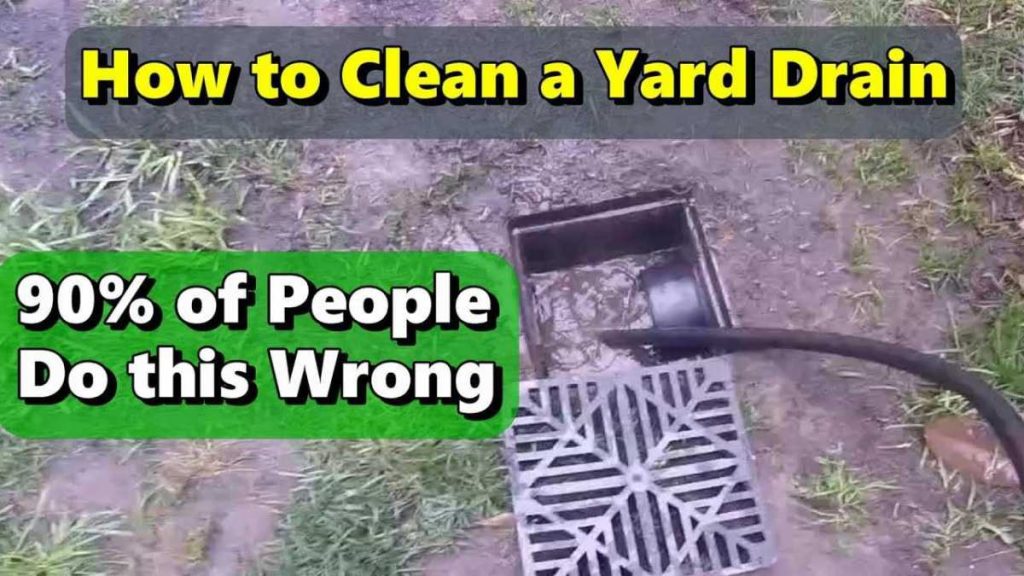
To clean lawn drains quickly and effectively, start by removing debris with a rake or a tool, then flush the pipes with water or a mild cleaning solution. Use a plumber’s snake to clear stubborn blockages, and consider installing drain covers to prevent future clogging. Regular maintenance ensures your lawn drains stay clear and prevent water pooling or flooding during heavy rains.
If your lawn drains are clogged, tackling the problem early can save you a lot of headaches. Clearing debris, flushing out any blockages, and ensuring proper drainage can keep your lawn healthy and prevent water damage. The process is simple enough for homeowners to do with basic tools, and a little routine upkeep can go a long way in maintaining optimal drainage. Whether you’re dealing with leaves, dirt, or accumulated sludge, knowing how to clean your lawn drains will help you avoid soggy patches and flooded gardens, especially during rainy seasons.

How to Clean Lawn Drains Effectively to Prevent Water Damage
Keeping lawn drains clean is essential to prevent water from pooling in your yard. When drains get clogged, water can cause flooding or damage to your lawn and foundation. Proper maintenance ensures your lawn stays dry and healthy.
Understanding Lawn Drains and Their Importance
Lawn drains are designed to direct excess water away from your property. They are usually made up of pipes, catch basins, or trenches that work together. Knowing how they function helps you know what to look for when cleaning them.
Regularly checking on your drains can prevent serious problems later. A well-maintained drain system keeps your lawn healthy and protects it from water damage. Recognizing signs of clogging early saves you time and money.
Signs Your Lawn Drains May Need Cleaning
- Water pooling in the yard after rain or watering
- Unpleasant odors near drains or basins
- Slow draining or standing water in drainage areas
- Visible debris around the drain openings
- Increased pest activity around drain covers
Addressing these signs early can help you avoid bigger issues like foundation damage or lawn erosion. Regular inspections are crucial to catch problems before they escalate.
Tools Needed for Cleaning Lawn Drains
Having these tools ready before starting will make the process smoother and more efficient.
Step-by-Step Guide to Cleaning Lawn Drains
1. Prepare Your Workspace
Wear gloves and protective gear. Clear away any grass or soil covering the drain opening to access it easily.
2. Remove Surface Debris
Use a garden trowel or hand shovel to scoop out leaves, dirt, and other debris from around the drain. This initial step prevents future blockages and makes deeper cleaning easier.
3. Clear the Drain Cover
If your drain has a grate or cover, remove it carefully. Check for clogs or buildup underneath and clean it thoroughly with a brush or cloth.
4. Use a Drain Rod or Snake for Deep Blockages
Insert the drain rod gently into the pipe or trench. Turn the rod clockwise to break up clogs or dislodge debris. Continue until resistance lessens, indicating the blockage has been cleared.
5. Flush the Drain with Water
Connect a garden hose to a high-pressure nozzle and run water through the pipe. This step helps wash away remaining dirt and confirms the drain flows freely. Repeat if necessary.
6. Inspect the Drain System
Look for any signs of damage or areas where debris can accumulate again. Repair or replace damaged sections as needed.
Maintenance Tips to Keep Lawn Drains Clear
- Regular inspections: Check drains at least twice a year, especially before heavy rain seasons.
- Immediate clearing: Remove debris as soon as you spot it to prevent blockages.
- Proper landscaping: Avoid planting large shrubs or trees near drains that can drop roots or debris into the system.
- Install drain covers: Use grates or catch basins to catch debris before it enters the pipes.
- Use natural deterrents: Avoid chemicals that can harm your drainage system or environment.
Preventative Measures for Longer Durability
Implementing preventive strategies helps extend the life of your lawn drainage system. Regular cleaning combined with these measures can save you time and expenses.
1. Improve Drainage Design
If your yard has persistent drainage issues, consider enhancing the system. Installing additional trenches, French drains, or redefining the slope can improve water flow.
2. Reduce Surface Obstructions
Keep the area around drains clear of large objects, mulch, or excessive plant material that could fall into the system.
3. Use Mulch Wisely
Spread mulch away from drainage areas to prevent it from washing into the drains during rain.
Related Topics to Explore
- How to install a lawn drainage system
- Best materials for DIY drain repair
- Common lawn drainage problems and solutions
- Signs of foundation water damage caused by poor drainage
- How to prevent ponding in your yard after heavy rain
Summary of Key Points
Regular cleaning and inspection of lawn drains prevent water pooling and potential damage. Use the right tools and follow each step carefully for effective results. Maintenance and proper landscaping help prolong the lifespan of your drainage system, ensuring a healthy, dry yard all year round.
How to Clean a Yard Drain
Frequently Asked Questions
What tools are needed to effectively clear lawn drains?
To clear lawn drains efficiently, you should gather a few essential tools. A drain snake or auger helps remove blockages deep within the pipes. A garden hoe or shovel allows you to dig around the drain area if needed. A high-pressure water hose or pressure washer helps flush out debris. Additionally, use gloves to protect your hands and a bucket to collect waste. Having these tools ready will make the cleaning process more manageable and thorough.
How can I prevent future clogs in my lawn drains?
Preventing future clogs involves regular maintenance and debris management. Clear leaves, grass clippings, and other organic matter from the drain area regularly. Install a grate or cover over the drain to catch debris before it enters the pipe. Ensure proper grading around your lawn so water flows away from the drain naturally. Avoid pouring oils or chemicals into the drain, as these can contribute to blockages. Routine inspections and maintenance help keep your drains clear and functional.
What steps should I follow to clean lawn drains during heavy rain?
During heavy rain, it’s important to act quickly to prevent flooding. First, inspect your drains to see if they are visibly blocked. Use a garden tool or a drain snake to clear any debris blocking the pipe openings. If water isn’t draining properly, flush the system with a high-pressure hose to remove any remaining obstructions. Consider installing or checking existing drainage covers to prevent debris from entering during storms. After the rain subsides, verify that water flows freely through the drains and clear any residual debris as needed.
How do I determine if my lawn drain needs professional repair?
If you notice persistent flooding, foul odors, or standing water after cleaning efforts, your drain system may require professional attention. Signs include slow drainage despite clearing debris, cracks or breaks in the pipe, or multiple drains malfunctioning simultaneously. If you’ve tried cleaning and maintenance without improvement, contact a professional plumber or drainage expert. They can conduct a thorough inspection, identify underlying issues, and recommend appropriate repairs or replacements to restore proper drainage.
Final Thoughts
To clean lawn drains effectively, start by removing debris and leaves that block water flow. Use a garden fork or a drain cleaning tool to clear any obstructions inside the drain. Rinse the area with water to ensure free passage.
Regular maintenance prevents clogs and keeps water draining smoothly. Examine your lawn drains after heavy rains or storms for signs of blockage. Consistent care is essential to avoid costly repairs.
In conclusion, knowing how to.clean lawn drains helps maintain proper drainage and prevents water damage. Follow these simple steps to keep your drains clear and functional year-round.