To effectively clean yard drainage pipes, start by removing debris from the pipe’s opening and then flush the system with a mixture of hot water and a mild drain cleaner or vinegar. Use a plumber’s snake or a high-pressure hose to clear stubborn clogs. Regular maintenance can prevent major blockages and keep water flowing freely.
If your yard drainage pipes are clogged, the quickest fix involves removing surface debris, then using a snake or pressure water to clear out obstructions. Combining natural solutions like vinegar with physical methods ensures your drainage system stays clear and functional. Consistent upkeep will save you from costly repairs and water problems during heavy rains.
Dealing with clogged yard drainage pipes can be frustrating, especially after a heavy rain or storm. Over time, dirt, leaves, and debris can build up inside the pipes, leading to poor drainage or flooding in your yard. Fortunately, cleaning them doesn’t have to be complicated or costly. With some basic tools and a bit of know-how, you can clear out blockages and keep water flowing smoothly. Regular inspections and cleaning help prevent more serious issues later on, saving you time and money while maintaining a healthy yard. So, let’s explore some straightforward ways to keep your yard drainage pipes in tip-top shape!

How to Clean Yard Drainage Pipes: A Step-by-Step Guide
Cleaning yard drainage pipes is essential to keep rainwater flowing smoothly and prevent flooding or water damage. Over time, debris, dirt, and leaves can clog these pipes, reducing their effectiveness. Knowing how to properly clean and maintain your drainage system helps protect your yard and home from water-related issues.
Understanding Your Yard Drainage System
Before cleaning, it’s important to understand how your drainage system functions. Yard drainage pipes typically carry water away from your home to prevent pooling. Common types include perforated pipes, solid pipes, and French drains.
Identifying the type of pipes you have helps determine the best cleaning method. For example, perforated pipes often collect debris inside their holes, while solid pipes might require different techniques for cleaning.
Signs That Your Drainage Pipes Need Cleaning
Look out for signs such as water pooling in your yard, foul smells, or soggy soil near your foundation. These issues often indicate clogged or blocked drainage pipes. Additionally, if you notice water backing up when it rains or after watering, it’s time to inspect your system.
Regular inspections help catch problems early and prevent bigger issues like basement flooding or damage to landscaping.
Tools and Materials Needed for Cleaning
- Gloves and safety goggles
- Garden trowel or shovel
- Garden hose with spray nozzle
- Drain auger or plumber’s snake
- High-pressure washer (optional)
- Pipe cleaner or drain brush
- Bucket or container
- Replacement fittings or pipe sections (if needed)
Having the right tools ensures a thorough cleaning process and helps avoid damaging your pipes while clearing debris.
Step-by-Step Process for Cleaning Yard Drainage Pipes
Step 1: Clear the Area Around the Pipes
Start by removing any leaves, dirt, or debris near the drainage openings. A garden trowel or shovel can help lift heavy materials that might block entry points. Clear a wide space so you can access the pipes easily.
Step 2: Locate Entry Points and Inspect the Pipes
Find accessible points such as cleanouts, catch basins, or inspection chambers. Use a flashlight if needed to look inside the pipes for visible blockages. Check for signs of damage like cracks or collapsed sections.
Step 3: Remove Surface Debris and Clogs
Use a drain brush or pipe cleaner to dislodge debris inside the pipes. For larger blockages, insert a plumber’s snake or drain auger to break up and pull out obstructions. Be gentle to avoid damaging the pipe walls.
Step 4: Flush the Pipes with Water
Attach a garden hose with a spray nozzle and flush the pipes thoroughly. This helps wash away loosened debris and dirt. Use high pressure to reach deep segments but avoid excessive force that could damage fragile pipes.
Step 5: Use a High-Pressure Washer (Optional)
If your pipes are heavily clogged, a high-pressure washer can be very effective. Carefully insert the wand into the pipe and spray water to clear stubborn debris. Always follow manufacturer instructions for safety.
Step 6: Check for Leaks or Damage
After cleaning, inspect the pipes for cracks, leaks, or collapsed sections. Repair any damage immediately to restore proper function. Replace any broken fittings or pipe sections as needed.
Preventive Maintenance Tips
Regularly inspect and clean your yard drainage pipes to avoid major blockages. Schedule a cleaning every few months, especially after heavy storms or fall when leaves drop. Installing grates or covers can help prevent debris from entering the pipes.
Installing Guttering and Downspouts
Ensure that gutters direct water away from your drainage pipes. Downspouts should extend at least three to four feet away from your foundation to prevent water buildup. Use splash blocks or extension pipes if necessary.
Managing Leaf and Debris Accumulation
Place leaf guards over gutters and drainage openings to reduce debris entry. Raking leaves regularly and trimming nearby trees also keeps the area clean and prevents clogging.
Additional Tips for Effective Drainage System Management
Proper grading around your yard ensures water flows naturally toward drainage pipes. Avoid planting trees or shrubs too close to pipes, as roots can invade and cause blockages. Consider adding a French drain in areas prone to standing water for extra protection.
When to Call a Professional
If cleaning and basic maintenance do not resolve drainage problems, or if you notice extensive damage, it’s wise to contact a drainage specialist. Professionals have specialized tools and expertise to handle complex issues safely.
Regular inspection and maintenance are key to keeping yard drainage pipes functioning properly. Taking these steps can save you from costly repairs and protect your property from water damage. Proper care guarantees your yard stays dry and healthy, rain after rain.
Gutter Cleaning – cleaning french drains or underground drains
Frequently Asked Questions
What are effective methods to remove debris from yard drainage pipes?
Cleaning yard drainage pipes involves removing leaves, mud, and other debris that obstruct flow. Use a drain auger or plumber’s snake to reach into the pipe and dislodge stubborn blockages. You can also flush the pipes with a garden hose to help loosen dirt and push it out. Regularly inspecting and clearing debris prevents buildup that can cause future drainage problems.
How can I safely clear a clog caused by roots in my yard drainage system?
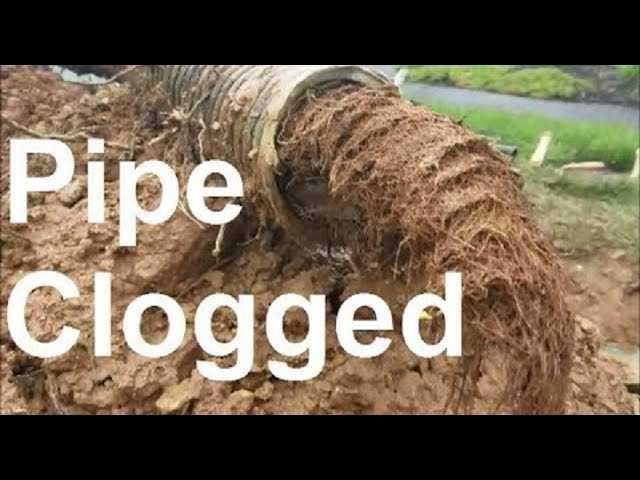
Roots can invade drainage pipes and block water flow. To clear roots, start by pouring a mixture of enzymatic cleaner designed for sewer systems to weaken the roots. If roots are thick, consider using a specialized root cutter or drain auger with a cutting attachment. Wearing protective gear, work carefully to cut through the roots, then flush the pipe thoroughly with water to remove any remaining debris.
What maintenance steps should I follow after cleaning my yard drainage pipes?
After cleaning, it’s helpful to install a filter or grate at the drain entry point to prevent debris from entering again. Schedule regular inspections, especially after heavy storms or seasonal changes. Use environmentally safe drain cleaners periodically to keep pipes clear. Proper grading around your yard also ensures water flows naturally towards the drain, reducing the chance of future clogging.
Final Thoughts
To clean yard drainage pipes effectively, remove debris and blockages regularly. Use a garden hose to flush out dirt and small obstructions. For stubborn clogs, employ a plumber’s snake or a high-pressure water jet.
Inspect the pipes periodically for signs of damage or leaks. Clear any debris around the entry and exit points to prevent future blockages. Proper maintenance ensures smooth water flow and prevents flooding.
In conclusion, knowing how to clean yard drainage pipes helps maintain an efficient drainage system. Regular cleaning and inspections keep your yard dry and prevent costly repairs.