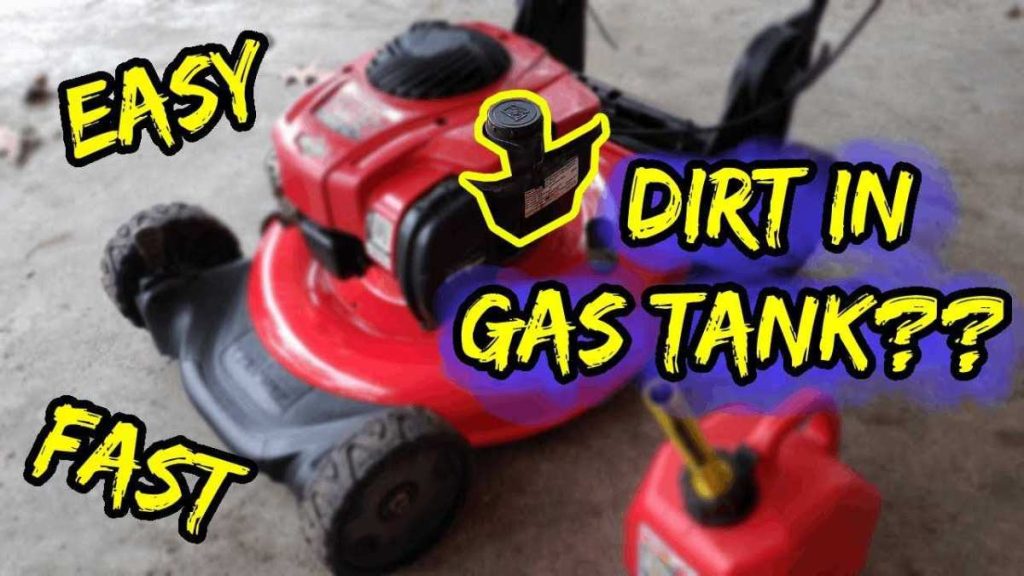
To clean a dirty lawn mower gas tank efficiently, start by draining the old fuel, then remove the tank and rinse it with a mixture of water and a small amount of detergent. Use a brush or compressed air to scrub away residues, and let the tank dry completely before reassembly. This quick process will restore your mower’s performance and prevent engine issues caused by buildup.
If your lawn mower’s gas tank is clogged with debris or gunk, it’s vital to clean it regularly to keep the engine running smoothly. Start by emptying the tank and removing it, then rinse thoroughly with a mixture of water and a mild detergent. Scrub inside with a brush or use compressed air to clear out any stubborn deposits. Make sure the tank is completely dry before putting it back together. Keeping your mower’s gas tank clean not only prolongs its lifespan but also ensures a more efficient cut every time. Proper maintenance is simple but essential for a healthy, reliable mower.

How to Clean Dirty Lawn Mower Gas Tank
Understanding Why Your Lawn Mower Gas Tank Gets Dirty
A dirty gas tank can cause your lawn mower to perform poorly or even stop working. Over time, dirt, debris, and old fuel can build up inside the tank. Moisture can also cause rust and corrosion on the tank’s surface. Knowing the causes helps you prevent future issues and recognize when cleaning is needed. Regular maintenance can extend the lifespan of your mower and keep your grass looking great.
Signs That Your Gas Tank Needs Cleaning
Certain symptoms indicate a dirty gas tank. These include sputtering engine, difficulty starting, or inconsistent running. If you notice debris in the fuel or rust spots on the tank, it’s time to clean it. A foul smell from the tank or poor mower performance are also signs. Addressing these issues early can prevent more significant damage.
Tools and Materials Needed for Cleaning
Before cleaning, gather all necessary tools. These include:
- Screwdriver or socket wrench
- Container or bucket for fuel draining
- Water and mild soap
- Vinegar or commercial tank cleaner
- Scraper or brush
- Rags or paper towels
- Protective gloves and goggles
Having everything ready makes the process easier and safer.
Preparing to Clean the Gas Tank
First, ensure the mower is turned off and cooled down. Remove the spark plug wire to prevent accidental starting. Drain any old fuel into a safe container, carefully avoiding spills. Protect your workspace with newspaper or a tarp to manage any drips. Safety precautions are essential because fuel is flammable.
Draining the Gas from the Tank
Start by locating the fuel line or drain plug, depending on your mower model. Use a screwdriver or wrench if needed to loosen the drain plug. If there’s no drain plug, siphon the fuel with a transfer pump or turkey baster, taking care not to spill. Dispose of old fuel responsibly, following local regulations.
Removing the Gas Tank
In some mowers, the tank is easily removable; in others, it requires more effort. Use a screwdriver or socket wrench to unscrew mounting bolts. Carefully disconnect fuel lines, noting their placement for reassembly. Keep track of all parts and screws. Removing the tank makes cleaning more thorough.
Cleaning the Inside of the Gas Tank
Once the tank is out, inspect it for rust, debris, or sludge. Use a brush or scraper to remove any loose buildup. Fill the tank with a cleaning solution such as vinegar mixed with water or a commercial cleaner. Swirl the solution around to loosen grime. Let it sit for about 30 minutes for effective cleaning.
Using Vinegar or Commercial Cleaners
Vinegar is a natural and inexpensive cleaner that dissolves rust and debris. Mix equal parts vinegar and water, filling the tank halfway. For tougher buildup, commercial tank cleaners are available. Follow the manufacturer’s instructions carefully for safe and effective use. Avoid harsh chemicals that may damage plastic tanks.
Scrubbing and Rinsing the Tank
After soaking, use a brush or cloth to scrub inside the tank thoroughly. Pay attention to corners and crevices where dirt can hide. Rinse the tank with clean water multiple times to remove all cleaning residues. Ensure no soap or cleaner remains, as these can harm your engine when you use the mower again.
Removing Rust and Debris
Rust can be a significant issue inside metal tanks. Use a rust remover or vinegar solution to treat rust spots. For stubborn rust, gently scrub with a wire brush. After rust removal, rinse again with water and dry the tank completely to prevent future corrosion.
Drying the Gas Tank Thoroughly
Proper drying is crucial to avoid future problems. Wipe the tank with clean rags or paper towels. Leave it in a warm, well-ventilated area for several hours or overnight. You can also use compressed air to blow out remaining water or moisture. Make sure the tank is completely dry before reassembling.
Reassembling the Gas Tank and Refill
Once dry, reconnect fuel lines if removed and reattach the tank to the mower. Tighten bolts securely but avoid overtightening. Fill the tank with fresh, clean gasoline, preferably ethanol-free if possible. Use a funnel for less mess. Properly sealed, your mower will be ready for its next cut.
Tips for Preventing Future Contamination
Preventive care extends the life of your gas tank and mower. Store fuel in a sealed container in a cool, dry place. Add fuel stabilizer if you plan not to use the mower for a while. Regularly check for rust or debris buildup and clean as needed. Using high-quality fuel and filters also reduces dirt and moisture inside the tank.
Using Fuel Filters to Keep Your Tank Clean
Installing a fuel filter helps catch dirt and debris before they reach the engine. Replace filters periodically according to manufacturer instructions. This simple step prevents contaminants from accumulating inside the tank and keeps the fuel system working smoothly.
Maintaining Your Lawn Mower for Longevity
Routine maintenance extends your mower’s life and keeps it in top shape. This includes cleaning the air filter, inspecting the blades, and checking oil levels regularly. Proper storage during winter or off-season also prevents rust and damage. Clean tanks and fuel components are part of this comprehensive care.
Related Topics
- How to change the fuel filter on a lawn mower
- Best types of fuel for lawn mowers
- Signs of a clogged carburetor
- How to store your lawn mower during winter
- Tips for maintaining small engine lawn equipment
Your lawn mower’s performance relies heavily on a clean, rust-free gas tank. Regular inspections and cleaning prevent costly repairs and ensure a smooth mowing experience. Following these steps helps you maintain your equipment and enjoy a healthy lawn all season long.
How to Clean a Lawn Mower Gas Tank!!
Frequently Asked Questions
What are the best tools to remove debris from a lawn mower gas tank?
Use a long, flexible brush or pipe cleaner designed for fuel tanks to scrub out dirt and residue. A siphon hose or turkey baster can help remove old fuel and loose debris. For stubborn deposits, a small screwdriver or pick can gently dislodge buildup without damaging the tank. Always wear gloves and safety glasses to protect yourself during the cleaning process.
How can I ensure that no leftover sediment remains after cleaning the gas tank?
After emptying the tank and removing loose debris, rinse the interior with fresh, clean fuel or a mixture of water and a mild detergent. Shake the tank gently to loosen stubborn particles, then drain thoroughly. Using compressed air, blow out the tank to remove any remaining moisture or debris. Inspect the tank visually to confirm it’s entirely clean before refilling with fresh fuel.
What precautions should I take when cleaning the gas tank to avoid damage?
Always remove the gas tank from the mower before cleaning to prevent damage to the engine. Avoid using harsh chemicals or abrasive tools that can scratch or corrode the tank material. Ensure the tank is entirely dry before reassembling to minimize rust or corrosion. Work in a well-ventilated area and wear protective gear to prevent inhaling fumes or coming into contact with fuel residues.
Final Thoughts
To clean a dirty lawn mower gas tank, first drain the old fuel completely. Remove the tank from the mower and rinse it with a mixture of warm water and mild detergent. Use a brush to scrub away any stubborn deposits.
Ensure the tank dries thoroughly before reassembling and refilling with fresh fuel. Knowing how to clean dirty lawn mower gas tank can prevent future issues and keep your mower running smoothly. Proper cleaning keeps the tank clear and enhances mower performance.