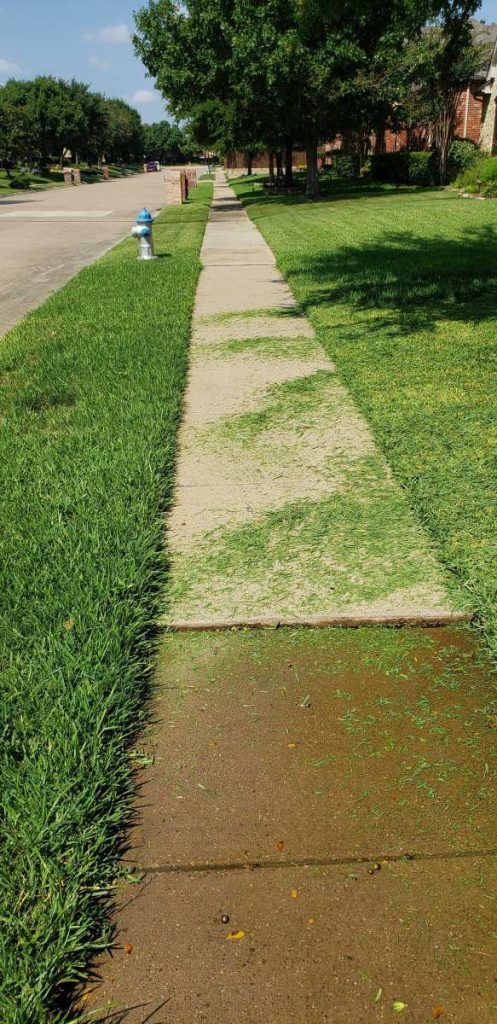
To quickly clean grass clippings after mowing, use a leaf blower or a garden rake to gather the debris, then bag or compost the clippings. For stubborn grass stuck on the mower deck, a quick spray with a hose or a brush can do the trick. Regularly cleaning your mower not only keeps your yard tidy but also prolongs the life of your equipment.
Removing grass clippings after mowing might seem like a chore, but a few simple steps can make the process quick and hassle-free. The key is acting soon after mowing, using the right tools, and staying consistent. Whether you prefer raking, blowing, or washing, keeping your lawn clean helps prevent mold, keeps pests away, and ensures your grass stays healthy. Just a little effort can make yard cleanup easier and your garden looking pristine.

How to Clean Grass Clippings After Mowing
Removing grass clippings properly after mowing keeps your lawn healthy and neat. It also prevents clumps from forming that can block sunlight and air. In this section, we’ll explore various methods to clean grass clippings effectively and reasons you should pay attention to this task.
Understanding Why Cleaning Grass Clippings Matters
Grass clippings left on the lawn can cause problems if not cleaned. They can suffocate the grass or promote pests and diseases. Proper cleanup helps maintain a lush, healthy lawn that looks great all season long.
Tools Needed for Cleaning Grass Clippings
Before starting, gather essential tools to make the process easier. These include a leaf rake, garden broom, garden hose with a spray nozzle, garden gloves, and a leaf blower or vacuum if necessary.
- Leaf Rake: Ideal for gathering clippings in large areas.
- Garden Broom: Useful for sweeping clippings from hard surfaces.
- Garden Hose with Spray Nozzle: For washing away stubborn grass debris.
- Leaf Blower or Vacuum: To quickly clear clippings from large spaces or sidewalks.
Steps for Removing Grass Clippings from Your Lawn
Follow these step-by-step instructions for an effective cleanup. Each step helps ensure your lawn stays clean and healthy.
- Wait for the Lawn to Dry: It’s best to clean after the grass has dried to prevent clumping.
- Use a Rake or Leaf Sweeper: Gently gather the loose clippings, especially in shaded or damp areas.
- Collect Clippings Properly: Place the gathered debris into a compost bin or yard waste bag.
- Spray Remaining Debris: Use a garden hose to wash away any leftover bits stuck on hard surfaces or between plants.
- Clean Hard Surfaces: Sweep or blow clippings off driveways, sidewalks, and patios.
Handling Grass Clippings on Hard Surfaces
Grass clippings on concrete or pavement can be easily removed with a broom or blower. Use a leaf blower to quickly clear large areas, directing the debris into a pile for easy disposal.
For stubborn stains or sticky residue, a garden hose with a spray nozzle can help wash away debris without much effort. Regular cleaning prevents buildup that can be harder to remove over time.
Dealing with Clumps of Grass Clippings
Clumps form when grass dries unevenly or when mower blades leave thick piles. These can smother grass underneath and attract pests. Break up large clumps with a rake or pitchfork, spreading the debris evenly for composting or disposal.
Using a leaf blower can also dislodge and direct clumps to one area for removal. Proper spreading prevents matting and promotes better airflow in your lawn.
Best Practices for Lawn and Garden Maintenance
Consistent cleaning after mowing helps your lawn stay healthy. Always remove clippings if they are thick, wet, or contain weed seeds. This prevents unwanted plant growth and keeps your yard looking tidy.
Additionally, you might consider mulching mowers that automatically chop grass into smaller pieces, which decompose faster and act as a natural fertilizer.
Composting Grass Clippings Safely
Grass clippings are rich in nitrogen and can improve compost quality. Ensure they are dry and free of pesticides or weed seeds before composting. Mix them with browns such as leaves or shredded paper for balanced composting.
Remember to turn the compost regularly for even decomposition. Using composted grass clippings as mulch enriches your garden beds and encourages healthy plant growth.
When to Use Special Equipment for Cleaning
If your lawn is large or has difficult-to-reach areas, specialized tools can save time. A power rake or aerator can help loosen embedded grass and debris. A lawn vacuum or collector attached to your mower can also pick up clippings during mowing, reducing the cleanup workload afterward.
For patios or decks, consider pressure washers to remove stubborn stains and stuck clippings effectively.
Environmental Considerations for Grass Clipping Cleanup
Repurpose grass clippings whenever possible by composting or mulching. This reduces waste and benefits your garden. If you must dispose of clippings, check local regulations about yard waste pickup or composting programs.
Avoid blowing or sweeping clippings into storm drains, as this can cause water pollution. Instead, collect and reuse or dispose of them responsibly.
Maintenance Tips to Minimize Clumping and Mess
Adjust your mower height to avoid cutting too close, which produces finer clippings that are easier to manage. Regular mowing prevents buildup and keeps grass healthy.
Consider mowing in different directions, so clippings are distributed evenly. Also, maintain your mower blades sharp for cleaner cuts that produce less debris.
Related Topics to Enhance Lawn Care
Explore topics such as lawn aeration, fertilization schedules, and watering tips to improve your overall lawn health. Proper maintenance reduces the amount of grass clippings and makes cleanup easier.
Additionally, learn how to create compost from yard waste or how to effectively mulch grass to improve soil quality.
Cleaning grass clippings after mowing is an essential part of lawn maintenance that promotes a healthy, attractive yard. Using the right tools, techniques, and practices makes the process simple and efficient. Regular cleanup not only enhances the appearance but also ensures your grass stays lush and free from pests or diseases.
Too Many Grass Clippings #lawn
Frequently Asked Questions
What is the best way to remove grass clippings from the walkway after mowing?
Use a leaf blower or a garden broom to gather and sweep the grass clippings off the walkway. A leaf blower quickly clears large areas, while a broom works well for smaller spaces. This prevents buildup that can become slippery or messy and keeps your walkways safe and tidy.
How can I prevent grass clippings from sticking to my shoes or garage floor?
Ensure the mowed grass is dry before walking on it, as moist clippings are more likely to stick. Regularly sweep or clean your garage floor and entryway to remove any residual clippings. Wearing shoes with a smooth sole also helps reduce the amount of grass that sticks when walking across these surfaces.
Are there effective tools for cleaning grass clippings off the mower deck?
Yes, use a hose with a spray nozzle to rinse off the mower deck while the engine is off and cooled down. For stubborn clippings, a deck brush or a putty knife can help loosen stuck debris. Regular cleaning prevents clogs and keeps your mower running efficiently.
What steps can I take to clear grass clippings from my garden beds without damaging plants?
Use a handheld rake or broom to gently sweep grass clippings away from garden beds, taking care not to disturb the plants. Alternatively, a leaf blower set to a low setting can blow the clippings away without damaging delicate plant stems. Clearing clippings regularly helps prevent mold and maintains a neat appearance.
How do I clean grass clippings from my lawn mower after mowing?
Turn off the mower and disconnect the spark plug for safety. Use a brush or a compressed air tool to remove grass from the blades and under the mower deck. Some mowers have wash ports that allow you to attach a garden hose for cleaning without disassembly. Regular cleaning helps maintain mower performance and prolongs its lifespan.
Final Thoughts
To clean grass clippings after mowing, start by removing excess clippings with a rake or broom. Use a garden blower to blow away stubborn bits from hard-to-reach areas. For a thorough clean, wash the area with water or use a garden hose.
Consistently cleaning your mower and tools prevents buildup and keeps your lawn healthy. Regular maintenance makes mowing easier and reduces the chances of pests. With proper care, you can maintain a pristine yard effortlessly.
In summary, knowing how to clean grass clippings after mowing helps keep your lawn tidy and tools in top shape. Clean the clippings efficiently after each mow to maintain a beautiful, healthy yard.