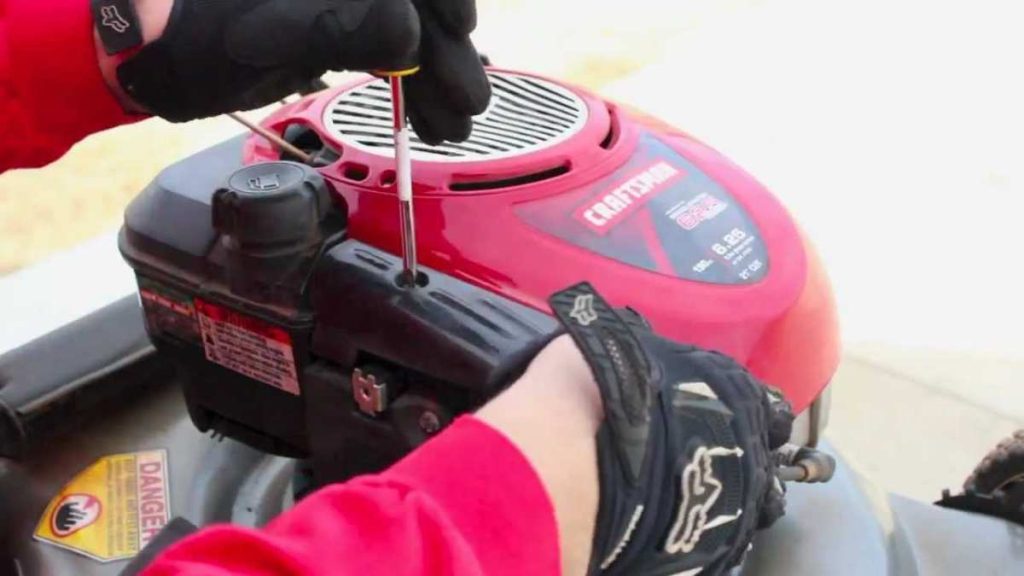
To clean a carburetor on your Briggs and Stratton lawn mower, start by removing the air filter and disconnecting the spark plug for safety. Carefully take out the carburetor, then disassemble and soak it in a carburetor cleaner to dissolve deposits. Reassemble, reattach, and test the mower to ensure smooth operation.
Cleaning the carburetor is essential for keeping your lawn mower running smoothly and efficiently. A clogged or dirty carburetor can cause poor engine performance, difficulty starting, or rough idling. Fortunately, with some basic tools and a little patience, you can clean the carburetor yourself, saving money on repairs and extending the life of your mower.
If your Briggs and Stratton lawn mower isn’t starting well, stalls frequently, or runs unevenly, a carburetor cleaning might be the solution. Regular maintenance keeps the engine in top shape, and cleaning the carburetor is a manageable task that can be completed in about an hour. Whether you’re a DIY enthusiast or a beginner, this guide will walk you through the steps to ensure your mower runs like new again.

How to Clean Carburetor on Briggs and Stratton Lawn Mower
Cleaning the carburetor is essential to keep your Briggs and Stratton lawn mower running smoothly. A dirty or clogged carburetor can cause starting issues, poor engine performance, or uneven mowing. Proper cleaning ensures your mower runs efficiently and extends its lifespan. Let’s dive into a step-by-step guide that will help you understand how to clean your mower’s carburetor effectively.
Understanding the Role of the Carburetor
The carburetor mixes air and fuel in the correct ratio for combustion. If this mixture becomes contaminated or clogged, the engine struggles to start or run smoothly. Common causes of carburetor problems include dirt, debris, old fuel, or clogged jets. Recognizing the symptoms of a clogged carburetor helps you decide when cleaning is necessary.
Tools and Materials Needed for Cleaning
Having the right tools makes carburetor cleaning safer and more effective. Prepare these items before starting:
- Screwdrivers: Flathead and Phillips
- Wrench or socket set
- Carburetor cleaner spray
- Compressed air can or air compressor
- Clean rags or paper towels
- Fuel-safe container (for draining fuel)
- Gloves and safety glasses
Preparing Your Mower for Carburetor Cleaning
Before beginning, ensure the mower is turned off and cooled down. Disconnect the spark plug wire to prevent accidental starting. Drain the fuel tank or run the mower until the fuel lines are empty to prevent spills during disassembly. This step minimizes fire hazards and makes cleaning safer.
Removing the Carburetor
Accessing the carburetor requires removing the air filter housing and possibly the muffler cover. Carefully disconnect the linkage and fuel line, noting their positions for reassembly. Use the appropriate screwdriver or wrench to detach the carburetor from the engine.
Inspecting the Carburetor
Once removed, inspect the carburetor for signs of dirt, grime, or corrosion. Check for clogged jets, dirt in the float bowl, or damaged gaskets. Visual inspection helps determine whether cleaning alone is enough or if replacement parts are necessary.
Disassembling the Carburetor
Disassemble the carburetor by removing the float bowl, jets, and screws. Keep track of all small parts and their arrangements. Be gentle to avoid damaging delicate components. Taking photos during disassembly helps during reassembly.
Cleaning the Components
Use carburetor cleaner spray to thoroughly clean all parts. Spray inside the jets, passages, and float bowl to remove dirt and deposits. Use a soft brush or toothbrush for stubborn grime. Do not scratch or force components, as this can cause damage.
Using Compressed Air to Clear Passages
After cleaning, blow compressed air through all the jets and passages to clear any remaining debris. This step ensures fuel flows freely and prevents future clogs. Be cautious to avoid forcing debris further into the openings.
Cleaning or Replacing Gaskets and Seals
Inspect gaskets and seals for cracks or deterioration. Replace any damaged parts with new ones to prevent leaks and ensure a good seal. Proper sealing maintains fuel efficiency and engine performance.
Reassembling the Carburetor
Carefully put all parts back together, ensuring everything fits snugly. Use the photos taken during disassembly as a reference. Tighten screws and bolts without over-tightening to avoid damaging components.
Reinstalling the Carburetor on Your Mower
Reconnect the carburetor to the engine, securing it with the mounting hardware. Reattach the linkage and fuel line, making sure all connections are tight and correctly positioned. Reinstall the air filter housing and muffler cover.
Refilling Fuel and Starting Your Mower
Refill the fuel tank with fresh gasoline. Reconnect the spark plug wire, and start your mower. Listen for smooth operation and observe how the engine responds. The mower should start easily and run evenly if cleaning was successful.
Additional Tips for Maintaining Your Carburetor
Regular maintenance prevents future clogs. Use fresh fuel, especially after long storage periods. Check and clean the air filter frequently. Consider adding a fuel stabilizer to keep fuel fresh. Periodic inspections keep your mower running at its best.
When to Seek Professional Help
If cleaning does not improve performance, or if you notice damage to the carburetor, it’s wise to consult a professional. Sometimes, a complete replacement might be more effective, especially if parts are worn or badly corroded.
Common Mistakes to Avoid During Cleaning
Avoid using harsh chemicals that can damage plastic parts. Never force small components apart, which might cause breakage. Do not forget to reconnect all parts correctly during reassembly. Proper care prolongs the life of your carburetor.
Summary of Key Steps
- Disconnect and drain fuel, then remove the carburetor.
- Disassemble and clean all parts with carburetor cleaner.
- Use compressed air to clear passages.
- Replace damaged gaskets or seals.
- Reassemble, reattach, and test your mower.
Maintaining your Briggs and Stratton lawn mower’s carburetor ensures reliable starts and smooth operation season after season. Regular cleaning and proper care prevent costly repairs and keep your mower working at its best.
HOW TO CLEAN A CARBURETOR ON A BRIGGS & STRATTON 550EX ENGINE FOR BEGINNERS (Yard Machines Mowers)
Frequently Asked Questions
What are the signs that indicate a carburetor needs cleaning on a Briggs and Stratton lawn mower?
If your lawn mower starts running rough, stalls frequently, or has difficulty starting, these could be signs of a dirty or clogged carburetor. Additionally, if you notice poor acceleration or the engine runs unevenly, cleaning the carburetor may resolve these issues. Regular maintenance helps keep the engine running smoothly and extends its lifespan.
What tools and materials do I need to clean the carburetor effectively?
You will need basic tools such as screwdrivers, pliers, and a socket set to remove the carburetor. You also require carburetor cleaner spray, a small brush or toothbrush, a container for parts, and new gaskets or seals if necessary. Wearing gloves and safety glasses ensures protection during the cleaning process. Having a clean workspace helps facilitate easier reassembly.
What are the steps to safely remove and clean the carburetor on a Briggs and Stratton mower?
Start by disconnecting the spark plug wire to prevent accidental starting. Drain any fuel from the carburetor and remove the air filter for better access. Use screwdrivers or socket wrenches to detach the carburetor from the intake manifold. Carefully remove the float bowl and internal components. Spray carburetor cleaner on all parts, paying close attention to jets and passages. Use a small brush to scrub away stubborn deposits. Rinse with clean water or solvent, then dry thoroughly before reassembling.
Final Thoughts
To clean carburetor on Briggs and Stratton lawn mower, start by disconnecting the spark plug for safety. Remove the carburetor and take note of how everything fits. Use a carburetor cleaner and small brush to clear out dirt and varnish.
Reassemble the parts carefully and reconnect the spark plug. Run the mower to check for smooth operation. Proper cleaning restores engine performance and prevents future issues.