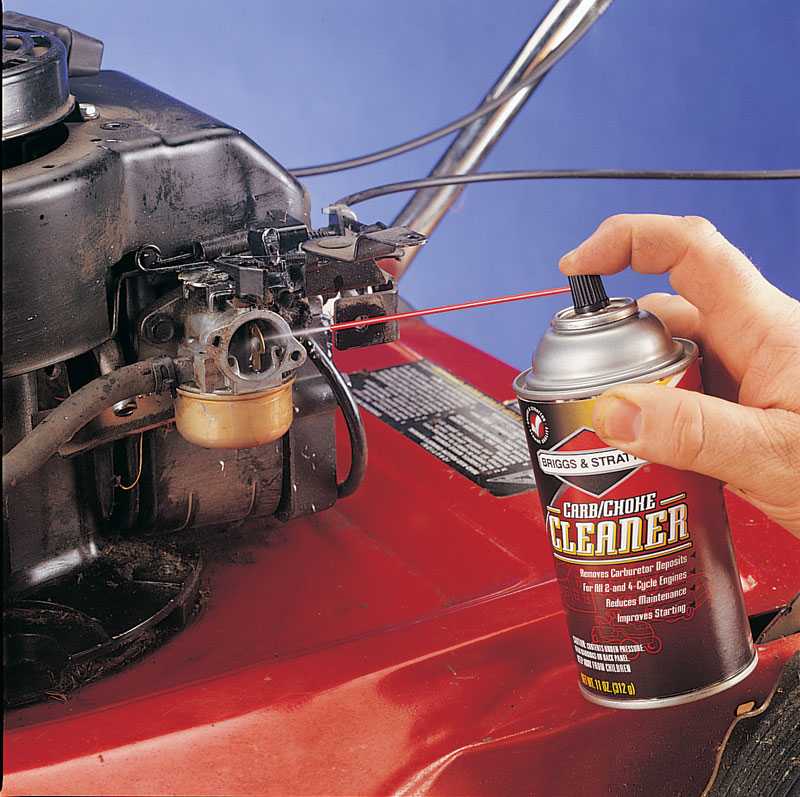
To clean the carburetor on your Briggs and Stratton lawn mower easily, start by removing the carburetor and taking it apart carefully. Use a carburetor cleaner to spray all the parts, especially the jets and passages, then reassemble and test the mower. This quick method restores smooth engine operation and prevents common starting or running issues.
Cleaning the carburetor on a Briggs and Stratton lawn mower might seem daunting, but with the right steps, it’s a straightforward process that can save you money and time. Over time, dirt, fuel residues, and debris can clog the tiny passages inside the carburetor, causing poor performance or starting problems. The key is to remove the carburetor, disassemble it carefully, and thoroughly clean each part using a specialized cleaner to ensure all blockages are cleared. Regular maintenance keeps your mower running smoothly and extends its lifespan. Don’t worry—this guide will walk you through each step in a simple, easy-to-follow way so you can get your mower back in top shape quickly.

How to Clean Carburetor on Briggs and Stratton Lawn Mower
Cleaning the carburetor is a crucial step to ensure your Briggs and Stratton lawn mower runs smoothly. A dirty or clogged carburetor can cause problems like rough idling, difficulty starting, or poor engine performance. Knowing how to clean it properly can save you time and money on repairs.
Understanding the Role of the Carburetor
The carburetor mixes air and fuel before the mixture enters the engine cylinders. If it’s blocked or dirty, it disrupts this balance, leading to engine trouble. Regular cleaning prevents blockages caused by dirt, debris, or fuel residue.
Tools and Materials Needed for Cleaning
Before starting, gather these tools and supplies for an efficient cleaning process:
- Socket wrench set
- Screwdrivers (flathead and Phillips)
- Carburetor cleaner spray
- Replacement gaskets or seals
- Small brush or toothbrush
- Compressed air can or air compressor
- Container for soaking parts
- Clean rags or paper towels
Preparing the Mower for Carburetor Cleaning
Start by ensuring the mower is on a level surface and turned off. Disconnect the spark plug wire to prevent accidental starting. Drain the fuel tank or run the mower until the fuel is gone to avoid spills during disassembly.
Removing the Carburetor from the Lawn Mower
Locate the carburetor, typically mounted on the engine’s side. Use a socket wrench to remove the bolts securing it to the intake manifold. Carefully detach fuel lines and linkages, noting their positions for reassembly.
Disassembling the Carburetor
Place the carburetor on a work surface. Remove the top cover and float bowl by unscrewing screws or clips. Keep track of small parts like screws, jets, and gaskets.
Inspecting the Components
Check the float, jets, and passages for signs of damage, corrosion, or dirt buildup. If parts are damaged beyond cleaning, replace them with genuine parts for optimal performance.
Cleaning the Carburetor Parts
Applying Carburetor Cleaner
Spray the cleaner liberally on all metal parts, focusing on jets, passages, and small crevices. Use a small brush or toothbrush to scrub away stubborn dirt. Be gentle to avoid damaging delicate parts.
Using Compressed Air
Blow out all passages and jets with compressed air. This step is essential to remove any remaining debris or fuel residues that could cause blockages.
Soaking the Parts
If parts are heavily soiled, soak them in a container filled with carburetor cleaner for 20 to 30 minutes. Rinse and dry thoroughly before reassembly.
Replacing Worn or Damaged Components
Inspect gaskets and seals. Replace any cracked or worn parts to prevent leaks and ensure proper sealing during reassembly. Consider replacing the float and jets if they are corroded or damaged.
Reassembling the Carburetor
Carefully put the parts back together in reverse order. Ensure all screws are tightened securely but not overly tight to avoid damaging threads. Double-check that all components are correctly aligned and seated.
Reinstalling the Carburetor on the Mower
Attach the carburetor back to the intake manifold, reconnect fuel lines and linkages. Tighten bolts firmly but without excessive force. Reconnect the spark plug wire before starting the mower again.
Refilling Fuel and Testing the Mower
Fill the tank with fresh fuel. Start the mower and observe its operation. If it runs smoothly, the cleaning was successful. If issues persist, double-check all connections or consider professional servicing.
Tips for Maintaining a Clean Carburetor
- Use fresh, clean fuel and add stabilizer if storing for long periods.
- Perform regular inspections and cleaning every season or after 25 hours of use.
- Keep the air filter clean, as a dirty filter can force the carburetor to work harder and get clogged.
- Avoid overfilling the fuel tank to prevent spills and residue buildup.
Common Mistakes to Avoid During Cleaning
- Using inappropriate cleaning fluids that can damage plastic parts.
- Forcing small parts or jets, which may cause breakage.
- Over-tightening screws during reassembly, risking damage or leaks.
- Neglecting to replace worn gaskets or seals, leading to fuel leaks.
When to Seek Professional Help
If after cleaning, your mower still runs poorly or stubborn issues remain, it might be time to consult a professional technician. They can diagnose deeper engine problems or replace parts that are difficult to service at home.
Cleaning the carburetor on your Briggs and Stratton lawn mower doesn’t have to be complicated. With the right tools and a little patience, you can keep your mower running efficiently for years to come. Regular maintenance not only improves performance but also extends the lifespan of your equipment.
HOW TO CLEAN A CARBURETOR ON A BRIGGS & STRATTON 550EX ENGINE FOR BEGINNERS (Yard Machines Mowers)
Frequently Asked Questions
What are the necessary tools and materials needed to clean a Briggs and Stratton lawn mower’s carburetor?
To clean the carburetor effectively, gather a set of basic tools such as screwdrivers, wrenches, and pliers. You’ll also need a carburetor cleaner spray, a clean rag or brush, and safety gloves. Having a container or tray to catch any fuel spills helps keep your workspace tidy and safe. Ensure you have a user manual on hand for specific model instructions.
How do I safely remove the carburetor from my Briggs and Stratton lawn mower?
Begin by disconnecting the spark plug to prevent accidental engine startup. Then, turn off the fuel supply and drain any remaining fuel from the tank. Loosen the screws or nuts holding the carburetor in place, noting their positions for reassembly. Carefully detach the carburetor from the intake manifold and throttle linkage, taking care not to damage any connected parts. Keep track of all removed components for reinstallation.
What steps should I follow to thoroughly clean the carburetor?
First, disassemble the carburetor, removing the float bowl and other removable parts. Spray carburetor cleaner into all passageways and jets, allowing it to sit for a few minutes to break down debris. Use a brush or compressed air to clear any stubborn deposits. Rinse the parts with clean water if recommended and dry them completely before reassembling. During reassembly, ensure all components are correctly aligned and secured.
How can I prevent carburetor issues after cleaning?
After cleaning, reinstall the carburetor carefully, making sure all connections are tight and properly aligned. Use fresh fuel and add a fuel stabilizer if your mower will sit unused for a while. Regularly inspect and clean the air filter and spark plug to maintain optimal engine performance. Running the mower for a few minutes after cleaning helps ensure everything functions smoothly.
Final Thoughts
To clean the carburetor on your Briggs and Stratton lawn mower, first remove the air filter and disconnect the spark plug. Drain the fuel, then detach the carburetor and carefully disassemble it. Use a carburetor cleaner spray to remove dirt and varnish from all parts. Reassemble the carburetor, reconnect everything, and test the mower for proper operation. Regular cleaning prevents engine issues and keeps your mower running smoothly. Remember, how to clean carburetor on briggs and stratton lawn mower is a simple process anyone can do with basic tools and care.