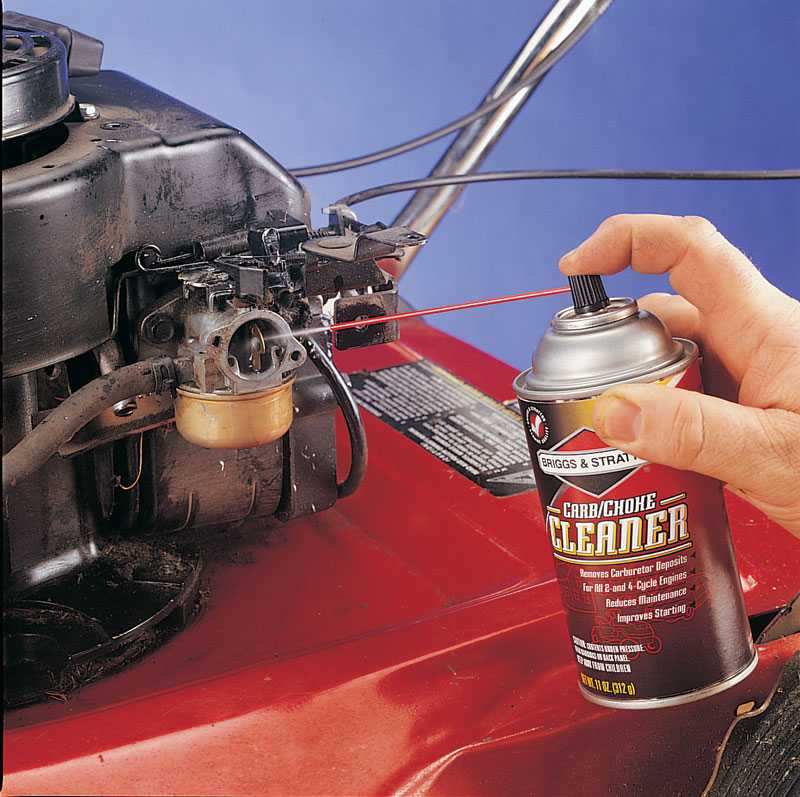
To clean a carburetor on your lawn mower, start by removing the carburetor from the engine, then disassemble it carefully. Soak the parts in carburetor cleaner, scrub away any deposits, and reassemble before testing the mower. This process helps restore smooth operation and improves engine performance.
Cleaning your lawn mower’s carburetor may seem daunting, but it’s a straightforward task that can save you money and prolong your mower’s lifespan. Over time, dirt, fuel residue, and debris clog the tiny passages inside the carburetor, causing rough running or difficulty starting. Regular maintenance ensures your mower runs efficiently, cuts evenly, and starts easily each season. With basic tools and a bit of patience, you can easily disassemble, clean, and reassemble the carburetor, making it function like new without needing professional help. Whether your mower is sputtering or just not performing as well as it used to, a thorough carburetor cleaning is the quick fix that can breathe new life into your landscaping chores.

How to Clean Carburetor Lawn Mower
Understanding the Importance of a Clean Carburetor
A clean carburetor is crucial for your lawn mower to run smoothly. Over time, dirt, debris, and old fuel can clog the carburetor, causing the engine to stall or run poorly. Regular cleaning prevents these problems and keeps your mower performing at its best. Keeping the carburetor clean also extends the lifespan of your mower and saves you money on repairs.
Signs That Your Carburetor Needs Cleaning
Knowing when to clean your carburetor can save you time and frustration. Look for signs like difficulty starting the mower, irregular engine RPM, or the engine only running when the choke is engaged. Other symptoms include poor acceleration, engine stalling during use, and increased fuel consumption. If you notice these issues, it’s probably time for a carburetor cleaning.
Tools Needed for Cleaning the Carburetor
Gathering the right tools makes the cleaning process easier. Here is a list of essential items:
- Wrench or socket set (usually for removing the carburetor)
- Screwdriver (flat-head and Phillips)
- Compressed air can or air compressor
- Carburetor cleaner spray
- Container for soaking parts
- Cleaning brushes (small size, like toothbrushes)
- Replacement gaskets (if needed)
- Safety gloves and goggles
Preparing Your Lawn Mower for Cleaning
Before starting, turn off the mower and disconnect the spark plug to avoid accidental starting. Drain the fuel tank if there’s excess fuel to prevent spills. Make sure the mower is on a flat, stable surface and gather all tools nearby. This preparation keeps the process safe and efficient.
Removing the Carburetor from the Lawn Mower
Start by removing the air filter cover and taking out the air filter. Locate the carburetor, usually attached to the engine with screws or bolts. Use the appropriate wrench or screwdriver to carefully detach the carburetor, noting how it’s connected. Take care to disconnect any throttle or fuel lines, keeping track of their positions.
Labeling and Organizing Parts
As you remove the carburetor parts, organize screws and small components in a container. Label any parts that need reassembly, especially if they have multiple connections. This step ensures a smooth reinstallation process and minimizes mistakes.
Disassembling the Carburetor
Once removed, carefully disassemble the carburetor by removing the float bowl and other removable parts. Take photos if needed to remember the assembly order. Be gentle to avoid damaging delicate components like the needle valve or jets.
Inspecting and Cleaning Carburetor Parts
Examine all parts for damage, corrosion, or clogging. Use compressed air to blow out dirt and debris from jets, passages, and holes. Spray carburetor cleaner liberally on all parts, especially in clogged areas. Use small brushes to scrub away stubborn deposits, ensuring no debris is left behind.
Cleaning the Jets and Passages
Jets are tiny openings that regulate fuel flow. Use a thin wire or needle to clear any obstructions carefully. Avoid enlarging the jets or damaging their threads. For stubborn clogs, soak jets in carburetor cleaner for several minutes before gently cleaning.
Using Compressed Air to Clear Passages
Blow compressed air through all passages to remove remaining dirt or fuel residue. Make sure each opening is clear to ensure proper fuel flow during operation. This step is essential for restoring the carburetor’s efficiency.
Reassembling the Carburetor
After cleaning, reassemble the carburetor in reverse order. Replace any worn gaskets or seals to prevent leaks and ensure airtight connections. Double-check that all parts are securely attached and that no tools or debris remain inside.
Reinstalling the Carburetor on the Lawn Mower
Reconnect the carburetor to the engine, making sure all fuel lines and throttle linkages are correctly attached. Reinstall the float bowl and tighten all screws and bolts. Reconnect the air filter and secure the cover.
Refilling the Fuel Tank and Testing
Fill the fuel tank with fresh gasoline, preferably out of a clean container. Reconnect the spark plug, and start the mower to test its performance. Listen for smooth running and observe if the mower starts easily and runs steadily.
Additional Tips for Proper Carburetor Maintenance
Regularly check and replace filters to prevent dirt from reaching the carburetor. Use fresh, high-quality fuel to reduce the chance of clogging. Periodically inspect the carburetor for signs of wear or damage and clean it annually or after long storage periods.
Cost-Effective Ways to Maintain Your Lawn Mower
Proper maintenance, including cleaning the carburetor, prolongs your mower’s lifespan. Use fuel stabilizers if storing for a season to prevent gum buildup. Always follow the manufacturer’s recommendations for service intervals and parts replacement.
Related Topics to Explore
- How to tune a lawn mower carburetor
- Best fuel additives for small engines
- Signs of a faulty throttle linkage
- Replacing old fuel lines and filters
- Winterizing your lawn mower for storage
This detailed guide offers practical steps and insights to help you clean your lawn mower’s carburetor properly. Keeping this component in good shape ensures your mower runs efficiently, saving you time, effort, and money. Regular cleaning and maintenance are the best ways to keep your lawn looking its best.
HOW TO CLEAN A CARBURETOR ON A CRAFTSMAN 21" LAWN MOWER FOR BEGINNERS
Frequently Asked Questions
What are the signs that indicate the carburetor needs cleaning on a lawn mower?
If your lawn mower starts to run rough, stalls frequently, or has difficulty starting, these are common signs that the carburetor might be dirty or clogged. Additionally, if you notice a decrease in engine performance or black smoke from the exhaust, it could point to fuel delivery issues caused by debris or deposits in the carburetor. Addressing these signs early can prevent further engine problems.
How do I safely remove and access the carburetor for cleaning?
To access the carburetor, first disconnect the spark plug wire to prevent accidental starting. Drain any remaining fuel from the tank to avoid spills. Remove the air filter to expose the carburetor, then carefully detach the carburetor mounting bolts or clips, depending on your mower model. Work on a clean, flat surface, and keep track of all parts and screws. Refer to your mower’s manual for specific instructions related to your model.
What cleaning solutions are safe to use on a lawn mower carburetor?
Use a commercial carburetor cleaner spray designed specifically for small engines. These cleaners effectively dissolve varnish, gum, and dirt without damaging internal components. Avoid using harsh solvents like gasoline or brake cleaner, as they can harm rubber seals or plastic parts. Spray the cleaner into all accessible passages, and let it sit briefly before manually cleaning with a small brush or compressed air.
Are there tips for preventing future carburetor issues in a lawn mower?
Changethe mower’s fuel regularly and always use fresh, clean fuel to prevent deposits from forming. Consider adding a fuel stabilizer if you store the mower for extended periods. Keep the air filter clean to avoid dirt entering the carburetor. Additionally, periodically inspect and replace worn gaskets or seals to maintain proper sealing and fuel flow. Proper maintenance extends the life of your carburetor and keeps your mower running smoothly.
Final Thoughts
To clean a carburetor lawn mower, start by disconnecting the spark plug for safety. Remove the carburetor from the engine and disassemble it carefully. Use a carburetor cleaner to spray all parts, especially jets and passages, removing any debris or gunk. Reassemble the carburetor, reinstall it, and start the mower to check for proper operation. Regular cleaning of the carburetor ensures efficient engine performance. Knowing how to clean carburetor lawn mower helps prolong its lifespan and keeps it running smoothly. Follow these simple steps to maintain your mower effectively.