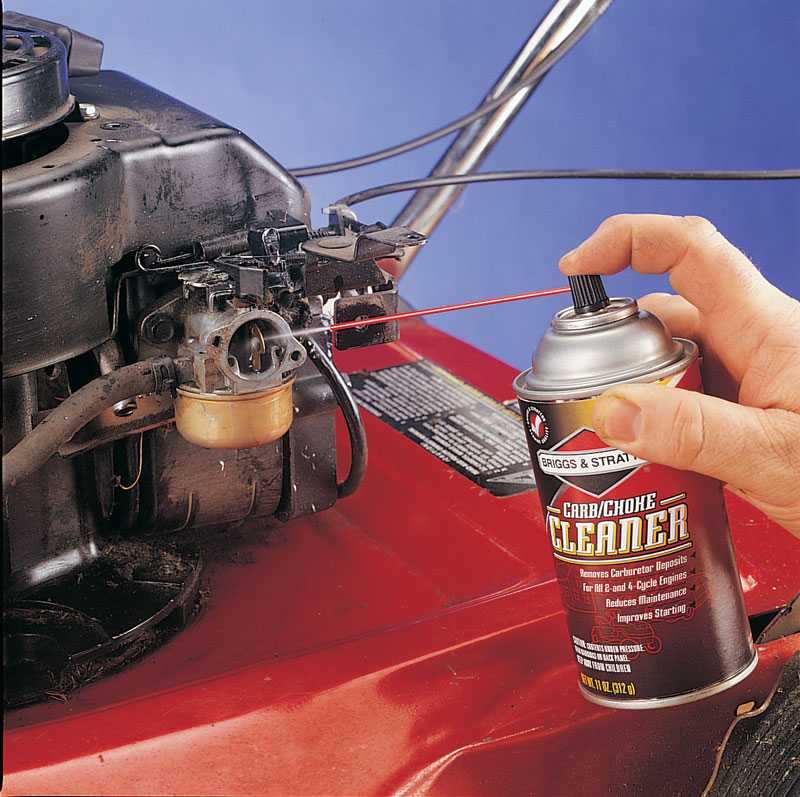
To clean a Briggs and Stratton lawn mower carburetor, start by removing the carburetor from the mower, then disassemble it carefully. Soak the parts in carburetor cleaner, scrub away any debris, and reassemble before reinstalling. With this simple process, your mower will run smoothly again, saving you money and time on repairs.
If your lawn mower isn’t starting easily or runs rough, a clogged carburetor could be the culprit. Cleaning it involves removing the carburetor, cleaning its components thoroughly, and ensuring all passages are clear. This quick maintenance task can dramatically improve your mower’s performance and extend its lifespan.
A clean carburetor is essential for your Briggs and Stratton lawn mower to operate optimally. Over time, dirt, varnish, and debris can build up inside, causing poor performance or complete engine failure. Even if you’re not a seasoned mechanic, cleaning your carburetor is a doable task that can save you from costly repairs and keep your yard looking perfect. Don’t worry—just follow a few straightforward steps, and your mower will be back to cutting grass in no time.

How to Clean Briggs and Stratton Lawn Mower Carburetor
Cleaning the carburetor of your Briggs and Stratton lawn mower is essential for keeping it running smoothly. Over time, dirt, debris, and fuel deposits can clog the tiny passages inside the carburetor. This can cause the engine to perform poorly or not start at all. Following a step-by-step process will help you restore your mower’s performance efficiently.
Understanding the Role of the Carburetor
The carburetor mixes air and fuel to create the correct combustion mixture for the engine. If it becomes dirty or clogged, the engine may experience problems such as sputtering, hard starting, or poor acceleration. Proper cleaning ensures an optimal fuel-air mixture, leading to better engine performance.
Tools and Supplies Needed for Cleaning
Before starting, gather all necessary tools. Here is a list to help you prepare:
- Socket set and screwdrivers
- Carburetor cleaner spray
- Compressed air can or air compressor
- New gaskets or seals (if needed)
- Container for soaking parts
- Clean rags or paper towels
- Protective gloves and safety glasses
Preparing Your Lawn Mower for Cleaning
Begin by disconnecting the spark plug wire to prevent accidental starting. Turn off the fuel valve and drain any remaining fuel from the tank to prevent spills or fire hazards. Place the mower on a flat surface for better access to the carburetor.
Removing the Carburetor
Locate the carburetor, which is typically attached to the engine’s intake manifold. Use appropriate tools to loosen the mounting bolts or screws. Carefully detach the fuel lines and linkages, noting their positions for reassembly. Take your time to avoid damaging any components.
Inspecting the Carburetor for Damage
Before cleaning, check the carburetor for visible damage such as cracked housings or corroded parts. If damaged, consider replacing the entire unit. Otherwise, proceed to disassemble the carburetor for thorough cleaning.
Disassembling the Carburetor
Remove the float bowl by unscrewing its retaining screw. Carefully extract the float, needle valve, and jets. Keep track of all small parts and their orientations. Some carburetors may have additional components like gaskets or diaphragms that need careful handling.
Cleaning the Carburetor Components
Cleaning with Carburetor Cleaner
Spray the carburetor cleaner generously onto all parts, especially jets, passages, and the float bowl. Use a soft brush to scrub away stubborn deposits. Avoid using wire brushes on sensitive components to prevent damage.
Using Compressed Air
Blow compressed air through all small passages and jets to clear out debris. Hold the carburetor parts steady and avoid forcing air into delicate components. Always wear eye protection when using compressed air.
Soaking for Tough Deposits
If parts are heavily fouled, soak them in a carburetor cleaning solution overnight. After soaking, scrub gently and rinse with clean water. Make sure all traces of fuel and grime are removed before reassembly.
Replacing Worn or Damaged Parts
Inspect gaskets, seals, and the needle valve for wear or cracks. Replace any damaged components with genuine Briggs and Stratton parts. Using new seals helps prevent leaks and ensures proper fuel flow.
Reassembling the Carburetor
Carefully put the carburetor back together in reverse order. Ensure all parts fit snugly and are free from debris. Reinstall the float, needle valve, jets, and gaskets as they were originally assembled.
Double-check that all screws and bolts are tightened securely but not overtightened to avoid cracking the housing.
Reinstalling the Carburetor onto the Mower
Attach the carburetor to the intake manifold and reconnect fuel lines and linkages. Make sure all connections are tight and secure. Reinstall any covers or shields removed during the process.
Reattach the spark plug wire and turn on the fuel valve. Fill the tank with fresh fuel and prepare to test your mower’s performance.
Testing the Mower After Cleaning
Start the mower and observe how it runs. A well-cleaned carburetor should improve starting reliability and smooth operation. If the engine still sputters or stalls, repeat the cleaning process or check for other issues.
Additional Tips for Carburetor Maintenance
- Perform carburetor cleaning annually, especially if the mower is used frequently.
- Use clean, fresh fuel to prevent deposits from forming inside the carburetor.
- Store the mower properly during off-season to avoid fuel degradation.
- Replace fuel filters regularly to keep dirt out of the carburetor.
Related Topics: Troubleshooting Common Carburetor Problems
If cleaning doesn’t solve your mower’s issues, consider checking for other causes such as clogged air filters, spark plug problems, or issues with fuel quality. Regular maintenance of these components helps extend the life of your carburetor and mower.
Cleaning your Briggs and Stratton lawn mower carburetor is a straightforward process that can be done with basic tools and some patience. Keeping your carburetor clean ensures your mower starts easily and runs efficiently, saving you time and money. Proper maintenance is key to prolonging the lifespan of your equipment and maintaining its optimal performance.
HOW TO CLEAN A CARBURETOR ON A BRIGGS & STRATTON 550EX ENGINE FOR BEGINNERS (Yard Machines Mowers)
Frequently Asked Questions
What are the initial steps to prepare the carburetor for cleaning on a Briggs and Stratton lawn mower?
Before starting the cleaning process, disconnect the mower’s spark plug to prevent accidental starting. Remove the air filter and any attached hoses to access the carburetor easily. Drain any remaining fuel from the tank to avoid spills and let the engine cool down if it has been running. Carefully detach the carburetor from the engine following manufacturer instructions, ensuring you remember the configuration for reassembly.
How can I remove debris and varnish buildup from the carburetor’s internal parts effectively?
Use carburetor cleaner spray to dissolve dirt and varnish deposits inside the carburetor. Spray the cleaner into the main body and jets, allowing it to sit for several minutes. Utilize a small brush or compressed air to scrub away stubborn grime from the exterior and internal pathways. Do not forcefully disassemble delicate parts; instead, focus on cleaning what is accessible without damaging components.
What steps should I follow to reassemble the carburetor after cleaning?
Ensure all parts are completely dry before reassembling. Reattach the internal components carefully, following the original configuration. Reinstall the carburetor onto the engine, reconnect all hoses and linkages, and secure bolts firmly but without over-tightening. Replace the air filter and reconnect the spark plug. Finally, add fresh fuel and start the mower to verify proper operation.
Final Thoughts
To clean a Briggs and Stratton lawn mower carburetor, start by disconnecting the spark plug for safety. Remove the carburetor from the mower and disassemble it carefully. Use carburetor cleaner to spray all components, paying special attention to jets and passages. Reassemble the carburetor, reinstall it, and test the mower for smooth operation.
How to clean Briggs and Stratton lawn mower carburetor involves thorough cleaning and careful reassembly. Follow these steps to ensure your mower runs efficiently and avoids future issues. Regular maintenance of the carburetor keeps your lawn mower in top condition.