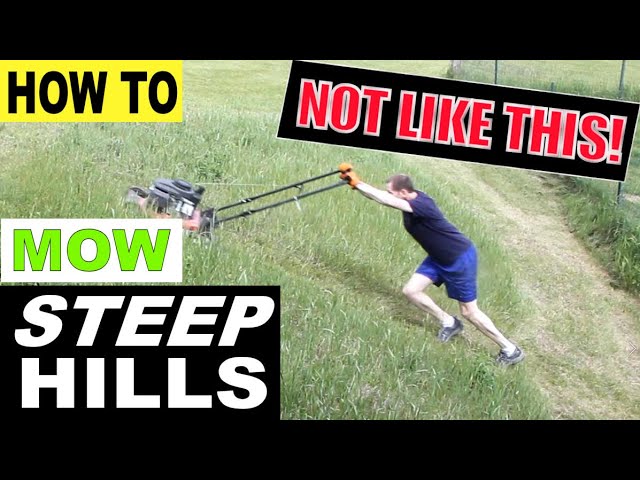
To mow a steep hill safely, always mow across the slope instead of up or down. Use a self-propelled mower for better control and stability.
Mowing a steep hill presents unique challenges, but safety should always be the top priority. Uneven terrain can increase the risk of accidents and injuries, making it essential to adopt proper techniques. Start by assessing the slope’s steepness and determining if it’s safe to mow.
Choosing the right equipment can greatly enhance your safety and effectiveness. A self-propelled mower or a walk-behind model with a low center of gravity can provide better stability. Always wear appropriate footwear with good traction and consider using a harness for added security. Following these guidelines will help ensure a safer mowing experience on steep hills.
The Challenges Of Mowing Steep Hills
Mowing steep hills can be tricky. Risk factors include slips and falls. Uneven ground makes it hard to maintain balance. The mower can tip over easily, leading to accidents. Always be aware of your surroundings while mowing.
Equipment concerns are also important. A standard mower may not handle steep slopes well. Consider using a self-propelled mower or a walk-behind mower designed for hills. Ensure that the mower has good traction. Proper maintenance can help avoid breakdowns during use.
Pre-mowing Safety Checklist
Start by checking the ground for rocks, holes, or debris. These can cause tripping or mower damage. Ensure the slope is manageable for mowing. Avoid steep areas if unsure.
Choose a dry day for mowing. Wet grass can be slippery and dangerous. Mowing in the morning may help avoid the heat. Cooler temperatures reduce fatigue and improve safety.
Always wear appropriate gear. Use sturdy shoes with good grip. Gloves can protect your hands. Safety glasses prevent debris from getting into your eyes.
Selecting The Proper Mowing Equipment
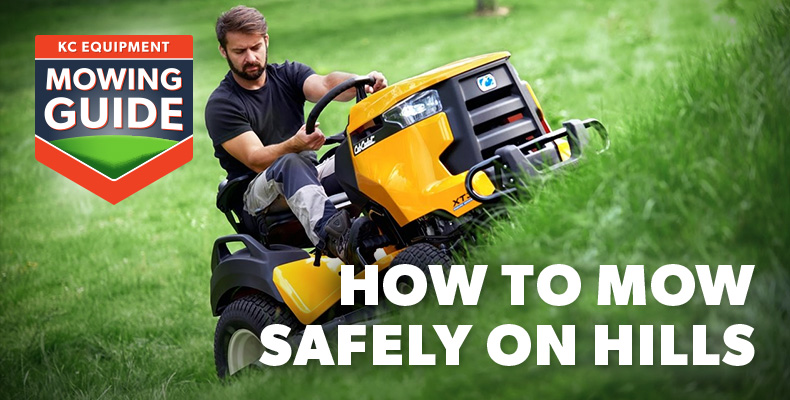
Choosing the right mower is key for steep hills. Push mowers are great for small areas. They offer good control on slopes. Riding mowers can cover larger spaces quickly. They save time but require caution.
Look for features that enhance safety. Self-propelling mowers help you move uphill easily. Wide wheelbases provide better stability on slopes. Low center of gravity reduces tipping risks. Always prioritize safety when mowing hills.

Credit: www.kcequipment.com.au
Mowing Techniques For Steep Slopes
Mowing steep hills can be tricky. Choose between horizontal and vertical patterns for the best results.
Horizontal patterns help maintain better control. They reduce the risk of slipping. Vertical patterns can be effective, too, but require careful handling.
Always mow slowly. Speed can lead to accidents. A steady pace ensures safety and a cleaner cut.
Use a self-propelled mower for easier handling. This tool helps manage slopes without much effort.
Wear appropriate footwear for grip. Non-slip shoes can prevent falls while mowing. Stay alert and be cautious.
Personal Protective Equipment (ppe)
Wearing the right Personal Protective Equipment (PPE) is very important for safety. Proper footwear is essential for mowing steep hills. Choose shoes with good grip to prevent slipping.
Steel-toed boots offer protection from falling objects. Look for waterproof options if mowing wet grass. Lightweight shoes can reduce fatigue during long mowing sessions.
Ensure your footwear fits well to avoid blisters. High-ankle support can help stabilize your feet on uneven ground. Remember, safety starts from the ground up!

Credit: www.kcequipment.com.au
Maintaining Your Mower For Hill Safety
Regular maintenance of your mower is vital for safety on steep hills. Always check for wear and tear before mowing. Look at the blades, wheels, and engine. Sharp blades ensure a clean cut, while worn wheels can cause slipping.
Inspect the fuel and oil levels regularly. Low levels can lead to engine failure. Clean the air filter to improve engine performance. Replace it if it looks dirty. Ensure all screws and bolts are tight to avoid accidents.
Before starting, test the brakes. They should work effectively to help you stop on slopes. Finally, always keep the mower’s manual handy for specific maintenance tips.
Landscape Considerations
Choose the right grass type for steep hills. Tall fescue and bluegrass are great choices. They have deep roots and resist erosion well. Keep the grass at a height of 3 to 4 inches. This helps prevent soil runoff and keeps the roots strong.
Look out for obstacles like rocks, branches, or holes. These can make mowing dangerous. Always check the area before starting. Be careful of hazards like wet grass or loose soil. Wet grass can make the mower slip. Loose soil can cause the mower to tip over.
When To Call In The Professionals
Assessing the slope difficulty is key before mowing a steep hill. Steep hills can be dangerous for inexperienced mowers. A slope over 15 degrees often requires professional help. Check for obstacles like rocks or tree roots. These can make mowing more difficult and unsafe.
When considering professional services, look for experienced landscapers. They know how to handle steep terrain safely. Professionals use special equipment that reduces risks. It is important to ask for insurance coverage before hiring anyone. This protects you in case of accidents.
Using professionals ensures a clean cut without injury. Weighing the pros and cons of DIY mowing versus hiring experts is crucial. Safety should always be the top priority.
Credit: www.kcequipment.com.au
Frequently Asked Questions
How Can I Mow A Steep Hill Safely?
To mow a steep hill safely, use a self-propelled mower. This reduces the effort needed to push. Always mow across the slope, not up and down. Wear sturdy shoes for better grip, and consider using a string trimmer for tricky spots.
Safety should always come first.
What Equipment Is Best For Hilly Terrain?
A self-propelled mower is ideal for hilly terrain. It offers better control and reduces strain. Consider using a riding mower if the hill is very steep. For areas too steep for mowers, a string trimmer or brush cutter may be necessary.
Choose the right equipment to ensure safety.
Should I Mow Wet Grass On A Hill?
Mowing wet grass on a hill is not advisable. Wet grass can cause slips and falls. It also clogs the mower deck, leading to poor performance. Wait for the grass to dry before mowing. This ensures better traction and a cleaner cut, keeping you safer on slopes.
How Can I Improve Traction While Mowing?
To improve traction while mowing, use a mower with larger wheels. Larger wheels distribute weight better and grip more effectively. Maintaining proper tire pressure also enhances traction. Additionally, wearing shoes with good grip will help prevent slipping. These tips will keep you safer on steep terrain.
Conclusion
Mowing a steep hill safely requires preparation and the right techniques. Always prioritize your safety by using proper equipment and maintaining control. Take your time and follow the tips provided. With careful attention and practice, you can achieve a well-manicured lawn without risking injury.
Stay safe and enjoy your mowing experience!