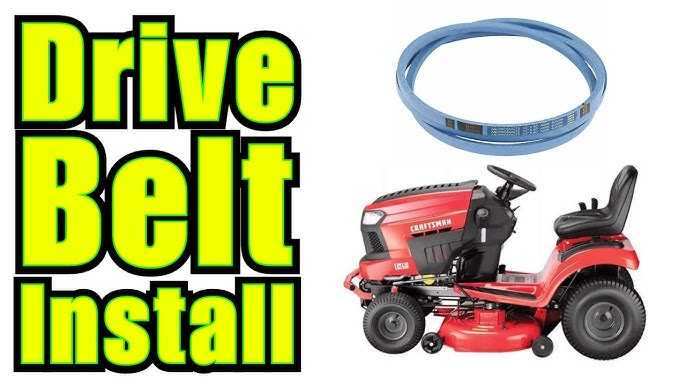
To change the drive belt on your Craftsman riding lawn mower quickly, start by disconnecting the spark plug for safety, then loosen the tension pulley to remove the old belt and install the new one, ensuring it’s properly aligned. Tighten everything back up, test the mower, and you’re good to go! This process can seem intimidating at first, but with a few simple steps, you can have your mower running smoothly again in no time.
Replacing the drive belt on a Craftsman riding lawn mower might seem tricky, but it’s actually straightforward with a bit of guidance. The key is to safely access the belt, release tension, and carefully fit the new belt around the pulleys. This quick guide will walk you through each step, helping you save time and avoid costly repairs. Whether your mower isn’t cutting as well or making strange noises, a new belt might be just what it needs to function like new again. Let’s dive into how you can do this yourself with confidence!

How to Change Drive Belt on Craftsman Riding Lawn Mower
Changing the drive belt on your Craftsman riding lawn mower might seem tricky, but with some patience and the right tools, it becomes a straightforward task. This process is essential for maintaining optimal mower performance and ensuring a smooth, even cut. Below, we’ll walk you through each step carefully, covering all important details to make the task clear and manageable.
Understanding the Drive Belt System in Your Craftsman Mower
Before diving into the replacement process, it’s helpful to understand how the drive belt works. The drive belt connects the engine to the transmission and wheels, transmitting power to move your mower forward or backward. Over time, the belt can wear out, crack, or slip, which affects the mower’s movement and cutting efficiency.
The drive belt is typically made of durable rubber with embedded cords for strength. It runs around pulleys and guides, which keep it aligned. Regular inspections can help identify signs of wear early. Look for fraying, cracks, or a loose belt in the pulley system.
Gathering the Necessary Tools and Parts
Having all tools ready before starting will streamline the process. You will need:
- Socket wrench set
- Screwdrivers (Both flat-head and Phillips)
- Replacement drive belt (consult your mower’s manual for the correct size)
- Work gloves for safety
- Protective eyewear
Additionally, a clean rag and lubricant spray might help in removing stubborn parts or pulleys.
Preparing Your Mower for Belt Replacement
First, park your mower on a flat, level surface. Ensure the engine is turned off and the key is removed to prevent accidental starting. Wait for the mower to cool down if it has been running.
Next, engage the parking brake and disconnect the spark plug wire for safety. This prevents the engine from starting while you’re working on it.
Lifting the mower deck is an essential step to access the belt. Most models have a deck lift lever or hydraulic cylinders for this purpose. Raise the deck to a comfortable height, and secure it if needed to prevent it from dropping accidentally.
Locating and Identifying the Drive Belt
Once the mower is prepared, locate the drive belt. It is usually positioned underneath the mower deck, wrapping around the pulleys connected to the engine and wheels. The belt may be partially covered by a shield or guard; remove this to gain full access.
Identify the belt by its location and appearance. Take a photo or note how it wraps around pulleys. This visual reference will be very helpful when installing the new belt.
Removing the Old Drive Belt
Start by loosening the pulley clamps or bolts that hold the belt in place, if applicable. Carefully slip the belt off the pulleys, taking note of the routing pattern.
Be cautious not to damage or dislodge other parts during removal. If the belt is stuck or tight, spray a lubricant around the pulleys to loosen it. Removing the belt smoothly prevents damage to pulley components.
Comparing the Old and New Belts
Before installing the new belt, compare it carefully with the old one. Check length, width, and the number of ribs to ensure a correct fit. Using the wrong belt size can impact mower performance and cause further damage.
Verify that the new belt matches the specifications in your mower’s manual. If unsure, consult your dealer or the product label for exact details.
Installing the New Drive Belt
Begin by routing the new belt around the pulleys following the same pattern as the old one. Refer to the photo or notes you took earlier for accuracy.
Ensure the belt sits correctly in the pulley grooves, and there are no twists or misalignments. Tighten any clamps or pulleys that you loosened earlier, but do not fully tighten yet.
Adjust the belt tension following your mower’s specifications. Proper tension is critical; a belt that’s too tight can strain the engine, while too loose can slip. Consult your manual for the exact tension requirements.
Adjusting Belt Tension and Alignment
Most Craftsman riding mowers have a tensioner pulley that helps maintain proper belt tension. Adjust the position of this pulley if needed, ensuring the belt is snug but not overly tight.
Use your hand to check the belt’s flexibility; it should have some give but not move excessively. Proper alignment is also essential—make sure the belt runs straight over the pulleys without rubbing or slipping.
Tips for Correct Belt Tension
- Refer to your mower manual for specific tension values
- Use a tension gauge if available for precision
- Ensure the belt does not slip when the mower is in operation
Testing the Belt Installation
Lower the mower deck to its normal position. Reconnect the spark plug wire and start the mower’s engine. Engage the drive system to see if the belt drives the wheels properly.
Observe the belt as the mower runs. It should stay securely on the pulleys without slipping or excessive vibration. If the belt slips or makes noise, turn off the engine and recheck tension and alignment.
Final Checks and Maintenance Tips
After confirming proper operation, double-check all bolts and pulleys for tightness. Clean any debris or grass clippings from around the belt area to prevent future wear.
Schedule regular inspections to monitor belt condition. Replacing the drive belt at the first signs of cracking or wear will extend your mower’s lifespan and ensure efficient operation.
Additional Tips for a Successful Belt Change
- Keep a belt routing diagram handy for reference
- Use genuine replacement parts for durability and fit
- Wear gloves and eye protection throughout the process
- Work slowly and methodically to avoid mistakes
Related Belts and Parts You Might Need
| Part Name | Model Compatibility | Description |
|---|---|---|
| Drive Belt | Specific to Craftsman models | Ribbed rubber belt for transmission and movement |
| Idler Pulleys | Various models | Help guide and tension the belt |
| Drive Belt Tensioner | Applicable to some models | Maintains proper belt tension |
Changing the belt on your Craftsman riding lawn mower can take about an hour if you’re prepared. Patience and careful attention to detail are key to a successful replacement. Performing this maintenance task ensures your mower will continue to operate smoothly and efficiently for many seasons.
BEST VIDEO on HOW to REPLACE a DRIVE BELT on a Common CRAFTSMAN RIDING Lawnmower 42" deck
Frequently Asked Questions
What tools are needed to replace the drive belt on a Craftsman riding lawn mower?
You will need a socket set, screwdrivers, pliers, and possibly a wrenched or ratchet to remove parts that block access to the belt. Having a new drive belt on hand is also essential. Ensure the mower is turned off and the key is removed before starting any work.
How do I access the drive belt underneath the mower deck?
Raise the mower deck using the lift lever or hydraulic system to gain clear access underneath. Place the mower on a flat surface and use blocks if needed to keep it stable. Remove the guard or any covers protecting the belt, which usually involve unscrewing or unclipping them.
What is the proper way to remove the worn drive belt?
Loosen the tension pulley to release tension on the belt. Carefully slide the belt off the pulleys, noting the belt’s routing pattern. Take a photo if needed to remember the layout for the new belt installation. Be cautious to avoid damaging the pulleys or surrounding components.
How should I install the new drive belt to ensure it works correctly?
Follow the same routing pattern as the old belt, ensuring it sits snugly in the grooves of all pulleys. Tighten the tension pulley to apply proper tension to the belt. Double-check that the belt is aligned correctly and not twisted before reattaching any covers or guards.
What steps should I take after replacing the belt to confirm it functions properly?
Slowly lower the mower deck and manually rotate the pulleys to verify the belt moves smoothly without slipping. Start the mower and engage the drive to see if the belt drives the wheels properly. Listen for unusual noises and inspect for correct tension and alignment during operation.
Final Thoughts
Changing the drive belt on your Craftsman riding lawn mower involves removing the underdeck cover, releasing tension, and slipping the new belt into place. Make sure to align the belt properly around pulleys to ensure smooth operation. Tighten all components securely to prevent slipping during use.
By following these steps methodically, you can easily replace the drive belt. Remember, how to change drive belt on craftsman riding lawn mower is a straightforward process that maintains your mower’s performance and prolongs its lifespan.