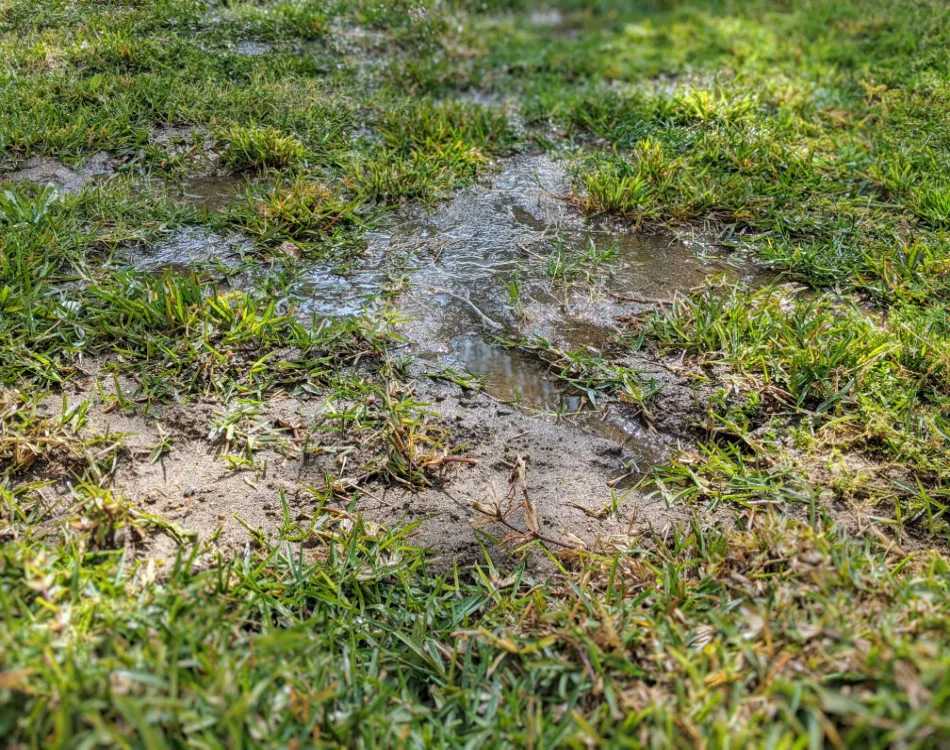
If your lawn stays soggy long after it rains or develops patches that refuse to grow healthy grass, you might be dealing with poor drainage. The good news is, there are simple ways to test your lawn and determine if excess water is causing trouble. A quick inspection can save you time and money on future lawn repairs.
To check if your lawn has poor drainage, perform a simple water test by pouring a small amount of water and observing how quickly it soaks in. If the water remains on the surface or takes a long time to drain, your lawn probably has drainage issues. Additionally, look for signs like pooling water, uneven grass growth, or soil that feels compacted and muddy. Addressing drainage problems early can help improve lawn health, prevent root rot, and promote lush, green grass.
Poor drainage is a common problem that can wreak havoc on your lawn’s appearance and health. It often results from compacted soil, improper grading, or clay-rich ground that doesn’t allow water to escape efficiently. Identifying these issues early is key to fixing them before they cause lasting damage. By understanding simple drainage tests and observing your lawn’s condition, you can take the right steps to improve water flow and ensure your lawn remains vibrant and healthy year-round.

How to check if lawn has poor drainage
Understanding Why Drainage Matters
Good drainage keeps your lawn healthy by preventing excess water from sitting on the surface. When water doesn’t drain properly, it can cause issues like soil erosion, plant disease, or dead patches. Knowing how to spot drainage problems helps you take quick action before damage worsens.
Signs of Poor Drainage on Your Lawn
Some common clues point to drainage problems. Water may pool in certain areas after it rains or your soil might stay soggy for days. Watch for patches that stay wet even during dry spells or muddy areas that are hard to walk on.
Performing a Drainage Test
Testing your lawn’s drainage gives clear evidence of issues. You can do simple tests to see how well water moves through your soil. Let’s explore some easy steps to check drainage effectively.
The Water Drop Test
This test shows how quickly water soaks into the soil. First, pick an area in your yard that looks suspect. Use a container or ruler to mark a 4-inch diameter circle. Pour about 1 inch of water into the spot and time how long it takes to disappear. If water remains after 24 hours, drainage is likely poor.
Creating a Soakaway
A soakaway involves digging a hole to observe how water drains. Use a shovel to dig a hole 12 inches wide and 12 inches deep. Fill it with water, then time how long it takes to drain completely. Slow draining or standing water indicates drainage problems.
Performing the “Rainfall Simulation” Test
Simulate rainfall by watering your lawn heavily or using a garden hose to spray water over a particular area. Observe how long it takes for the water to soak in or run off. Persistent pooling suggests poor drainage.
Looking for Drainage Issues in Specific Areas
Certain spots on your lawn are more prone to poor drainage. These include low-lying areas, slopes, and spots near structures or pavements. Examine these areas closely during or after rains.
Spotting Low-Lying Areas
Low points in your yard naturally collect water. Use a level or a string line to find these dips. Water pools here more often, making these spots priority for drainage solutions.
Checking Sloped Areas
While some slope helps water runoff, too steep or uneven slopes can cause water to flow incorrectly and create pooling. Use a level or a garden hose to estimate slope steepness. Adjust slopes if necessary.
Soil Composition and Drainage
Soil type greatly affects drainage. Sandy soils drain quickly, while clay soils hold water for longer. Understanding your soil helps you understand your drainage issues better.
Testing Soil Type
Take a small amount of soil and squeeze it in your hand. If it crumbles easily, it’s likely sandy. If it feels sticky or stays in a ball, it might be clay. Knowing your soil helps determine the best drainage solutions.
Assessing Soil Drainage Capacity
Dig a small hole and fill it with water. Watch how long it takes to drain. Less than 30 minutes suggests good drainage, while over an hour indicates poor drainage.
Using Drainage Indicators to Confirm Problems
Keep an eye out for signs such as moss growth, persistent puddles, or swamping plants. These indicators reinforce findings from your tests and help pinpoint drainage problems.
Moss and Algae Growth
Thick moss or algae often grow in damp, poorly-drained spots. Their presence signals areas with excessive moisture.
Dead or Yellowing Grass
Grass that remains yellow or dies in patches indicates waterlogging. Roots suffocate due to lack of oxygen caused by poor drainage.
Tools and Equipment for Accuracy
While simple tests work well, using proper tools improves accuracy. Consider investing in a soil moisture meter or a level for better results.
Soil Moisture Meter
A soil moisture meter measures how wet the soil is at different depths. It helps identify areas with excess moisture or drainage issues.
Level or String Line
Use these tools to check the slope of your yard. Proper drainage often depends on proper grading.
Addressing Poor Drainage Issues
Once you identify drainage problems, consider solutions like aeration, adding organic matter, or installing drainage systems. Each problem requires a different approach.
Simple Fixes
– Aerate compacted soil to improve air and water flow
– Add organic compost to enhance soil structure
– Create a rain garden to absorb excess water
Advanced Solutions
– Install perforated drainage pipes or French drains
– Regrade the landscape to promote runoff
– Use dry wells or sump pits for large area drainage
Prevention and Maintenance
Regular lawn care minimizes drainage problems. Aerate at least once a year, avoid overwatering, and keep gutters clear to prevent water from pooling.
Monitoring and Adjusting
Continuously observe your lawn for signs of drainage issues. Adjust your watering schedule and maintain proper grading as needed.
When to Seek Professional Help
If drainage issues persist despite your efforts, consulting a landscaper or drainage specialist is best. They can provide tailored solutions and expert installation.
Benefits of Professional Drainage Solutions
Professionals use advanced tools and techniques to fix complex problems effectively. This ensures your lawn stays healthy and free from persistent water issues.
In summary, checking your lawn’s drainage involves observing, testing, and understanding your soil and landscape. Regularly inspecting your yard, performing simple tests, and addressing problems early can save you time and money, keeping your lawn lush and healthy all year round.
Frequently Asked Questions
What signs indicate that my lawn has poor drainage?
If your lawn shows patches of standing water, soggy soil, or areas where grass becomes yellow or dieback occurs after rain, these are signs of poor drainage. Additionally, if the soil feels spongy or remains muddy long after rain, it suggests inadequate runoff. These signs point to the need to assess your lawn’s drainage system.
How can I perform a simple test to check for poor drainage?
Dig a hole about 12 inches deep in different sections of your lawn. Fill each hole with water and observe how quickly it drains. If water remains in the hole for more than 24 hours, your soil likely drains poorly. Multiple slow-draining areas indicate widespread drainage issues that may require corrective measures.
What soil conditions suggest drainage problems in my lawn?
Clay soils tend to retain water longer and hinder drainage, especially if they become compacted. If your soil feels heavy, sticky, or remains overly moist after rain, these are indicators of poor drainage conditions. Improving soil structure or aerating the lawn can help mitigate these issues.
Are there any specific areas of the lawn more prone to drainage issues?
Low-lying areas or spots with a slight slope accumulation tend to collect water more easily. These zones often stay wet longer and may develop puddles. Monitoring these areas closely can help you identify where drainage improvements are necessary.
How does soil compaction affect lawn drainage?
Compacted soil prevents water from infiltrating easily, leading to surface runoff and puddling. Heavy foot traffic, machinery, or minimal aeration can increase compaction. Regular aeration breaks up the soil, improving water absorption and reducing drainage problems.
Final Thoughts
To check if lawn has poor drainage, start by observing after heavy rain. If water pools or takes a long time to drain, drainage issues exist. Conduct a simple test by digging a small hole and filling it with water. If the water remains standing for more than a few hours, your lawn likely has poor drainage.
Quickly identify signs like soggy patches or muddy areas that stay wet. These indicators confirm drainage problems. Addressing poor drainage helps maintain a healthy lawn and prevents future issues, making this check essential for lawn care.