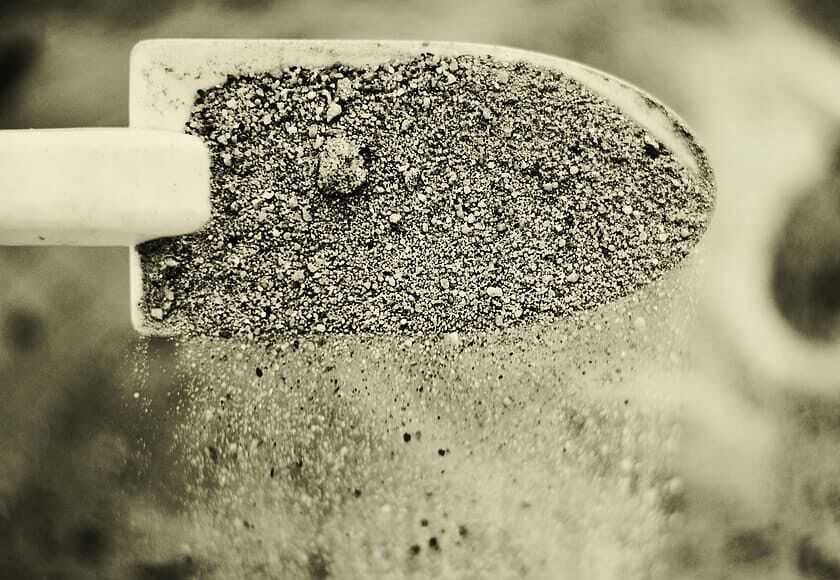
Yes, adding sand to your lawn can improve drainage, but it depends on the type of soil and how much you add. In many cases, mixing coarse sand with soil helps create larger pore spaces, allowing water to drain more effectively. However, simply spreading fine sand over muddy or clay-heavy soil often won’t solve drainage issues and might even make them worse.
A quick answer: Sand can help improve lawn drainage if used correctly, mainly by incorporating coarse sand into existing soil to enhance its structure. But it’s not a one-size-fits-all solution, and understanding your soil type is key.
If your backyard tends to stay soggy after rain, you’re probably wondering if sand could be the answer. Many homeowners consider sand as a quick fix for poor drainage, but it’s not always straightforward. The idea is that adding sand to your soil might help water move through it more easily. This article explores whether sand is the right solution for your lawn and how to use it effectively, so you can enjoy a healthier, drier yard.

Can Sand Help Improve Lawn Drainage
Understanding Lawn Drainage and Why It Matters
Good drainage is essential for a healthy lawn. When water pools or stays wet for long periods, it can cause problems like root rot, fungal diseases, and weak grass growth. Proper drainage allows excess water to flow away quickly, keeping the soil moist but not soaked. Improving drainage helps ensure your lawn remains lush, green, and strong.
How Soil Composition Affects Drainage
Different soils drain differently because of their texture. Clay soils are dense and hold water tightly, leading to poor drainage. Sandy soils, on the other hand, drain quickly but may not hold enough nutrients. Loamy soils mix sand, silt, and clay for better balance. Knowing your soil type helps determine if adding sand will improve drainage or if other methods are needed.
The Role of Sand in Lawn Drainage
Sand is often used in lawn care because of its permeability. It allows water to move through easily, reducing waterlogging. However, not all sand types are suitable for improving drainage. Coarse, angular sand works best because it creates space for water flow. Fine or soft sand may not provide the same benefits and could even clog soil pores.
Types of Sand Suitable for Lawn Improvement
- Coarse builder’s sand — commonly used in construction, excellent for drainage enhancement
- Sharp sand — ideal for mixing with soil to increase permeability
- Playground sand — coarse and angular, good for lawn topdressing
Avoid using fine beach or soft sand, as these can compact and reduce drainage effectiveness.
How to Incorporate Sand into Your Lawn
The process involves spreading sand evenly across your lawn and mixing it into the soil. Typically, a layer of 0.5 to 2 inches is applied, depending on the severity of drainage issues. Use a rake or tiller to work the sand into the topsoil, ensuring good contact and integration.
Step-by-step Guide for Best Results
- Test your soil to determine its current drainage capabilities
- Choose the right type of coarse sand for your needs
- Remove any debris or thatch from the lawn surface
- Spread the sand evenly across the affected areas
- Use a rake or tiller to mix the sand into the soil surface thoroughly
- Water the lawn lightly to help settle the sand and soil
Applying sand in this way can significantly improve drainage over time when done correctly.
Benefits of Using Sand to Improve Lawn Drainage
- Increased permeability — water passes through the sand quickly, reducing pooling
- Enhanced soil structure — sand improves aeration and prevents compaction
- Better root development — roots access air and water more easily
- Reduced risk of fungal diseases — dry soil discourages mold and fungus growth
- Durability — sand lasts longer and maintains its drainage benefits over time
Limitations and Precautions When Using Sand
While sand can help drainage, it is essential to use it wisely. Adding too much sand or using the wrong type can cause other problems. For example, an excess of soft or fine sand can lead to soil compaction, making drainage worse rather than better. It is also crucial to avoid disturbing your lawn’s root system unnecessarily.
Signs That Indicate You Should Add Sand
- Persistent water pooling after rain
- Soil feels dense and compacted when walking on it
- Grass roots appear to be waterlogged or rotted
- Poor grass growth in certain areas
Other Methods to Improve Lawn Drainage Alongside Sand
In some cases, combining sand with other drainage techniques offers the best results. Consider the following options:
- Aeration — perforating the soil helps improve air and water movement
- Installing drainage pipes — subsurface pipes redirect excess water away
- Creating raised beds or mounds — elevating your lawn prevents water accumulation
- Improving soil organic matter — adding compost can boost soil structure to enhance drainage
Combining these methods with sand application can lead to a healthier, better-drained lawn.
Understanding When Sand Is Not the Right Solution
Adding sand is useful mainly in soils that are too dense or clay-heavy. If your soil is already well-draining, additional sand might not be necessary. Over-sanding can sometimes cause unintended issues, such as creating a layer that inhibits water movement or discourages plant growth.
Consulting a Lawn Expert for Drainage Problems
If you’re unsure about your soil type or how to proceed, it’s wise to consult professionals. Soil testing labs can analyze your soil composition and recommend the best course of action. Experts can also advise on the correct amount and type of sand for your specific lawn.
Summary: Is Sand the Right Choice for Your Lawn?
Sand can be a helpful addition when aiming to improve lawn drainage, especially in dense, clay soils. Using coarse, angular sand and mixing it properly into your soil is critical for success. Remember that combining sand with other drainage solutions may offer the best results for a lush, healthy lawn free from water issues.
Frequently Asked Questions
Is adding sand to my lawn an effective way to fix poor drainage?
Adding sand can improve drainage if your soil is mostly clay and compacts easily. Coarse sand helps create larger pore spaces that allow water to pass through more quickly. However, the effectiveness depends on applying the right type and amount of sand and mixing it well with existing soil. Simply spreading a thin layer may not significantly change drainage; a substantial, well-mixed addition provides better results.
What type of sand should I use for enhancing lawn drainage?
Use coarse, angular sand such as builder’s or horticultural sand, which contains larger grains and creates better drainage pathways. Avoid fine or rounded sands like play sand, as they tend to pack tightly and can worsen drainage issues. The goal is to increase soil porosity without compacting the soil further.
How often should I apply sand to maintain better drainage in my lawn?
You should apply a thin layer of sand every few years, depending on your soil condition and grass health. Regular aeration before applying sand helps the particles interlock and create better drainage pathways. Avoid over-sanding, as excessive amounts may lead to poor soil structure and hinder root growth.
Can mixing sand with other soil amendments improve lawn drainage more effectively?
Yes, combining sand with organic matter like compost or peat moss can improve soil structure and drainage. Organic amendments increase nutrient content and improve water retention when needed, while sand enhances drainage. Mixing these materials creates a balanced environment that promotes healthy roots and prevents waterlogging.
What precautions should I take when using sand to improve my lawn’s drainage?
Ensure you use the correct type and amount of sand and mix it thoroughly with existing soil through aeration or tilling. Avoid applying sand on very wet soil, as this can cause compaction. Also, consider testing your soil first to determine the best amendments, and do not overdo the application to prevent creating a layer that impedes water movement.
Final Thoughts
Sand can sometimes improve lawn drainage by loosening compacted soil and increasing permeability. However, adding coarse sand alone may not always solve drainage issues, especially if the underlying soil remains heavily clayey.
Mixing sand with organic matter creates a healthier soil structure that allows excess water to drain more effectively.
In conclusion, can sand help improve lawn drainage? It can in certain situations, but it depends on the soil type and proper application. Proper assessment ensures the best results for your lawn.