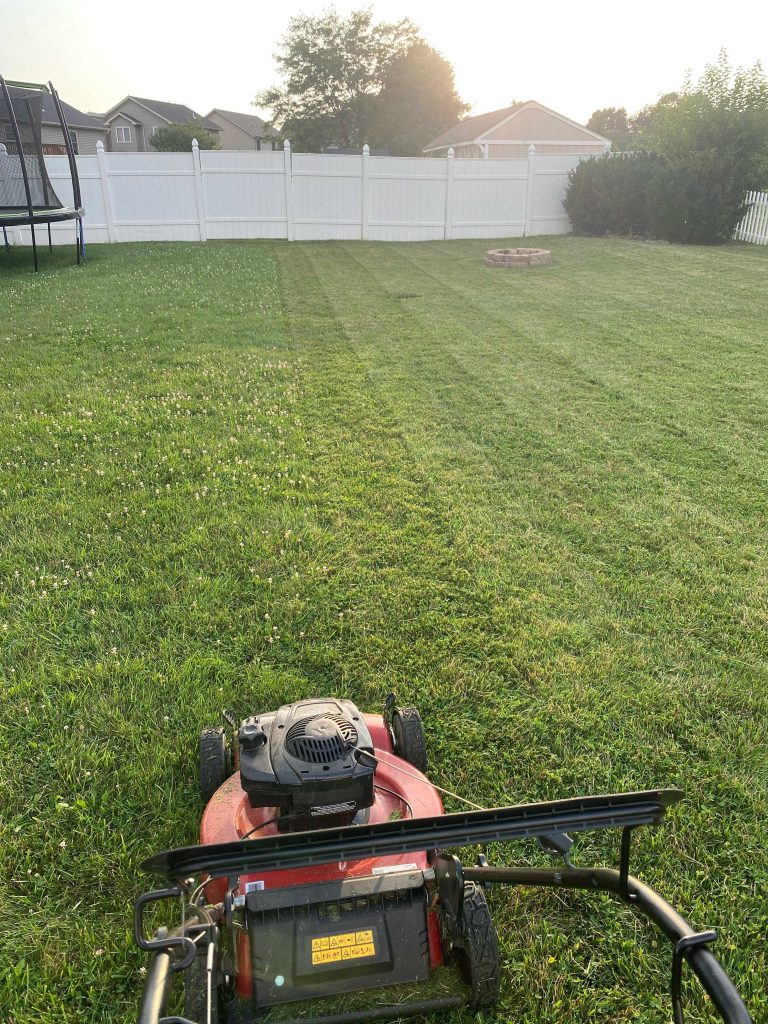
You should mow Kentucky bluegrass about once a week during the growing season, but the exact frequency depends on how fast the grass is growing. Keep the grass at a height of 2.0 to 2.5 inches for a lush, healthy lawn. Regular mowing encourages dense growth and helps prevent weeds, so paying attention to your lawn’s growth rate is key.
To keep your Kentucky bluegrass looking its best, mow about once a week during the peak growing months, usually spring and fall. Adjust as needed if the grass grows faster or slower. Maintaining the right mowing schedule ensures a vibrant, healthy lawn that stays green and thick all season long.
Think of your Kentucky bluegrass as a prized garden ingredient—it thrives best with just the right touch of regular care. The secret to a beautiful, dense lawn lies in mowing consistently but not excessively; removing no more than one-third of the grass height at a time is ideal. This approach balances healthy growth with the lawn’s natural rhythm, ensuring it stays lush and resilient. Knowing when and how often to mow is fundamental to lawn care, especially with Kentucky bluegrass’s rapid growth during ideal conditions.

How Often Should You Mow Kentucky Bluegrass?
Knowing how often to mow Kentucky Bluegrass is essential for keeping your lawn healthy and vibrant. Proper mowing helps promote thick growth and prevents pests and diseases. Let’s dive into the details of how often and how best to mow this popular grass type.
Understanding Kentucky Bluegrass Growth Patterns
Kentucky Bluegrass is a cool-season grass that thrives in moderate to cooler temperatures. It typically grows actively during spring, fall, and early summer. During these periods, the grass produces new shoots and leaves, requiring regular mowing.
The grass tends to grow at a moderate pace, making it easier to schedule mowing sessions. Its growth rate is influenced by weather, soil quality, and watering practices. Recognizing these patterns helps determine the ideal mowing frequency.
General Mowing Frequency Guidelines
For most lawns, mowing once a week is sufficient during peak growth seasons. During slower growth periods, extending mowing intervals to once every ten to fourteen days may be better. Consistency is key to maintaining an even and healthy lawn.
Adjustments are necessary based on the grass’s length, health, and the weather. Over-mowing can weaken the turf, while under-mowing can cause the grass to become too tall and affect its density.
Factors Influencing Mowing Schedule
Growth Rate & Season
- Spring and Fall: Fast growth, requiring weekly mowing.
- Summer heat: Slower growth, so mowing every ten to fourteen days may suffice.
- Winter: Growth slows considerably, and mowing might not be needed.
Weather Conditions
- Rainy periods: Promote faster growth, necessitating more frequent mowing.
- Hot and dry spells: Slow growth, reducing the need for frequent mowing.
Soil and Fertilizer Applications
- Healthy, well-fertilized soil can lead to lush growth, increasing mowing frequency.
- Over-fertilizing might cause rapid growth, so mowing schedules should adapt accordingly.
Best Practices for Mowing Kentucky Bluegrass
Optimal Cutting Height
The ideal height for Kentucky Bluegrass is between 2.0 and 3.0 inches. Maintaining this height promotes deep roots and prevents weeds from taking over. Never remove more than one-third of the grass height at once to avoid stressing the turf.
Sharp Mower Blades
Always use sharp mower blades for a clean cut. Dull blades damage grass blades, making them weak and more susceptible to disease. Regularly check and sharpen blades to ensure optimal mowing quality.
Timing and Frequency
Early morning is the best time to mow, as the grass is dry and less prone to damage. During peak growth periods, weekly mowing ensures the grass stays within the recommended height range.
Adjusting Mowing Based on Lawn Use and Appearance
If your lawn receives heavy foot traffic, shorter grass may be desirable for a neat look and durability. Conversely, a more relaxed, natural look might allow for longer grass lengths, reducing mowing frequency.
Always observe the lawn’s condition and adjust your schedule accordingly. Keeping grass uniformly cut promotes aesthetic appeal and healthy growth.
Common Mowing Mistakes to Avoid
- Mowing too short: Removing too much at once stresses the grass and encourages weeds.
- Irregular mowing: Inconsistent cutting can weaken the turf and lead to patchy areas.
- Not adjusting mower height: Staying at one height year-round can harm the grass, especially during seasonal changes.
- Using dull blades: This causes torn grass blades, which impacts growth and increases disease risk.
Seasonal Adjustments for Mowing Kentucky Bluegrass
Spring
Increase mowing frequency as the grass begins to grow actively. Maintain the height at 2.0 to 3.0 inches to foster healthy growth.
Summer
Reduce mowing frequency if growth slows down during hot months. Keep the height consistent to prevent stress and dehydration.
Fall
As temperatures cool, growth speeds up again, requiring regular mowing. Aim to keep the grass within the recommended height range.
Winter
In colder climates, Kentucky Bluegrass enters dormancy, and mowing is typically unnecessary. Focus on lawn cleanup and preparing it for the next season.
Tools and Equipment for Effective Mowing
- Respect for mower blade height adjustment: Essential to set the mower at the correct height for Kentucky Bluegrass.
- Push mowers or riding mowers: Choose based on lawn size for efficiency.
- Mulching blades: Help return nutrients to the soil, promoting healthy growth.
Additional Tips for a Healthy Kentucky Bluegrass Lawn
- Regular watering: Water deeply but infrequently to encourage deep roots.
- Aerate periodically: Loosens compacted soil and improves nutrient absorption.
- Fertilize appropriately: Use a balanced fertilizer in early spring and fall to support growth.
- Control weeds and pests: Proper mowing reduces weed invasion and pest hiding spots.
Related Topics to Consider
- Proper watering techniques: How to irrigate Kentucky Bluegrass effectively.
- Fertilization schedule: Best fertilizer types and timings for lush, green grass.
- Overseeding Kentucky Bluegrass: To thicken the lawn and fill bare spots.
- Lawn aeration and dethatching: Improving soil health and grass vitality.
By understanding Kentucky Bluegrass growth habits, adjusting mowing routines seasonally, and following best practices, you can maintain a beautiful, healthy lawn. Consistent care ensures your grass remains dense and resilient through every season.
Kentucky Bluegrass Pros and Cons
Frequently Asked Questions
How does the season affect how often you should mow Kentucky bluegrass?
During the active growing seasons of spring and fall, Kentucky bluegrass needs more frequent mowing to maintain an optimal height. In the hotter summer months, growth slows down, and you can extend the interval between mowings. Adjust your mowing schedule according to temperature and growth rate to ensure the grass remains healthy and well-maintained.
What is the ideal mowing height for Kentucky bluegrass to promote healthy growth?
For Kentucky bluegrass, keep the mowing height between 2.0 and 2.5 inches. Maintaining this height encourages deep root growth and improves drought resistance. Regularly cutting within this range helps prevent the grass from becoming weak or overly sparse, especially during periods of active growth.
How often should you mow if your Kentucky bluegrass is in a heavily shaded area?
In shaded regions, Kentucky bluegrass tends to grow more slowly due to reduced sunlight. Mow less frequently—about once every 10 to 14 days—to avoid stressing the grass. Adjust your mowing schedule based on the actual growth pace to keep the grass healthy and avoid mowing too short.
Can mowing frequency impact the overall health of Kentucky bluegrass?
Yes, mowing frequency directly influences the health of Kentucky bluegrass. Mowing too often can weaken the grass and cause scalping, while mowing infrequently might lead to excessive thatch buildup and poor turf quality. Finding the right balance ensures the grass remains vigorous and resilient.
What signs indicate that it is time to mow your Kentucky bluegrass again?
Check the height of your grass regularly. When the grass exceeds the recommended 2.5 inches, it’s time to mow. Avoid mowing when the grass is wet or under stress from heat or drought, as this can damage the turf. Mature and evenly grown grass provides the best results after mowing.
Final Thoughts
To keep your Kentucky bluegrass healthy, mow regularly and avoid cutting too short. Typically, mowing once a week during the growing season works well. Adjust frequency if the grass grows faster or slower.
Ensure your mower blades are sharp for a clean cut. This promotes healthy growth and reduces stress on the grass.
In conclusion, how often should you mow Kentucky bluegrass depends on growth rate, but generally, weekly mowing suffices. Staying attentive to your lawn’s needs ensures it stays lush and vibrant.