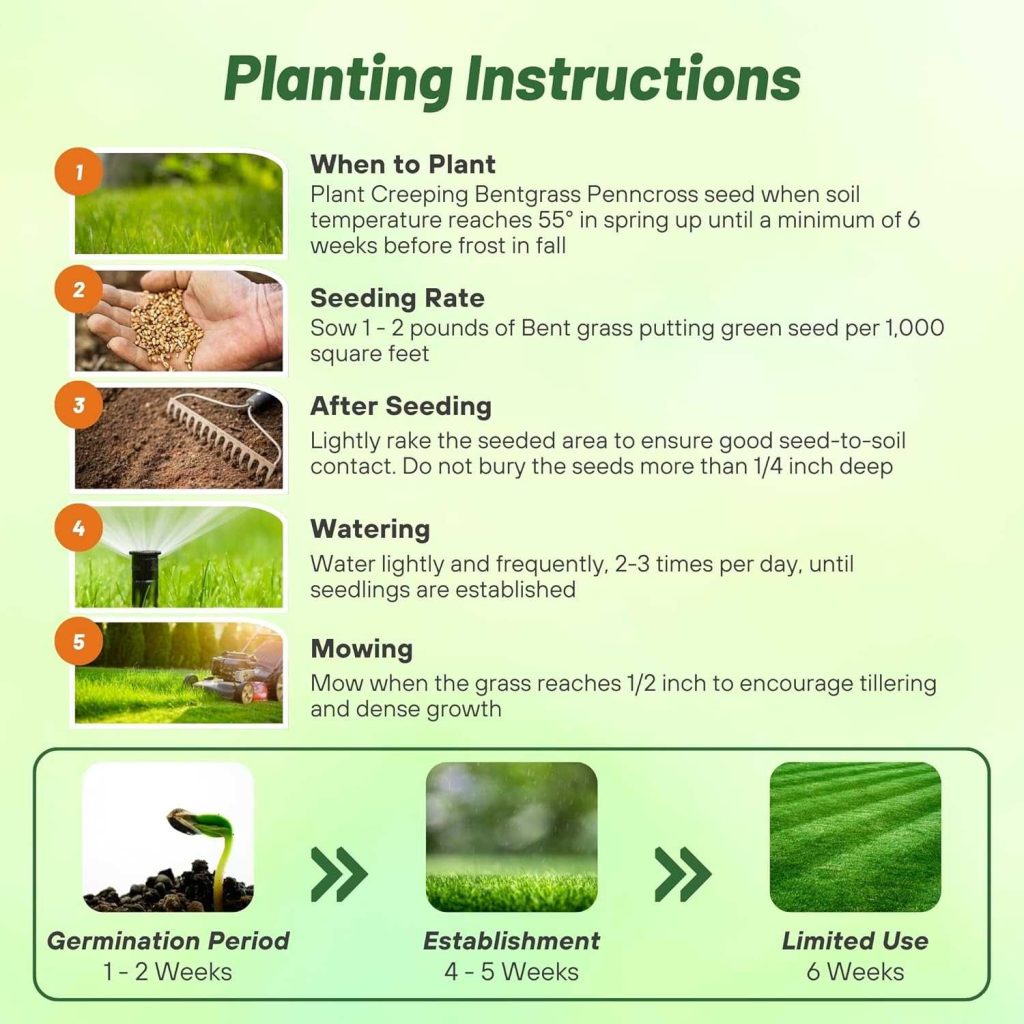
Planting bentgrass seed is a straightforward process that can lead to a lush and vibrant lawn or golf green. To get started, prepare your soil by ensuring it’s well-aerated and free of weeds. Next, choose high-quality bentgrass seed and sow it evenly over the prepared area, ideally in early spring or fall for optimal growth. Water the seeds lightly but frequently to keep the soil consistently moist until they germinate. Once established, maintain your bentgrass by mowing regularly and providing appropriate nutrients. With just a little effort, you can enjoy the dense, green carpet that bentgrass offers.
If you’re looking to achieve a beautiful bentgrass lawn or a perfect putting green, understanding how to plant bentgrass seed effectively is essential. This hardy grass variety is favored for its fine texture and vibrant color, making it a popular choice for golf courses and residential gardens alike. In this guide, we’ll walk you through the steps to ensure your bentgrass seeds thrive, from soil preparation to watering techniques. By the end, you’ll have all the information you need to create a healthy and attractive green space right in your yard. So let’s dig in and get started on your journey to a stunning bentgrass lawn!

How to Plant Bentgrass Seed
Bentgrass is a popular choice for lawns, golf courses, and sports fields due to its fine texture and lush green appearance. If you’re thinking about planting bentgrass seed, you’re in the right place. This guide will walk you through the entire process, ensuring you achieve a gorgeous lawn or professional-grade green.
Understanding Bentgrass
Bentgrass belongs to the Agrostis genus and is known for its ability to establish dense, carpet-like surfaces. It’s a cool-season grass, thriving in cooler climates and often used in areas with heavy foot traffic.
Benefits of Bentgrass:
- Thrives in cooler temperatures
- Durable and resilient
- Grows densely, reducing weed growth
- Beautiful fine texture
Choosing the Right Seed Variety
When planting bentgrass, it is essential to choose the right variety for your specific needs. Some popular bentgrass types include:
- Perennial Ryegrass: Fast germination and establishment.
- Colonial Bentgrass: Good for low-maintenance areas.
- creeping Bentgrass: Ideal for golf greens.
Each variety has unique characteristics suitable for different environments. Ensure you pick the right one based on your soil type, climate, and intended use.
Timing Your Planting
The best time to plant bentgrass seeds is usually during the late summer or early fall. This timing allows the grass to establish roots before winter arrives. If you missed this window, you could also consider early spring as an alternative.
Optimal Conditions for Planting
Bentgrass seeds require specific conditions to thrive:
- Soil Temperature: Aim for 60°F to 75°F.
- Moisture: Keep the soil consistently moist during germination.
- Sunlight: Select a location that receives full sun.
Monitoring temperature and moisture will help ensure your bentgrass seeds germinate effectively.
Preparing the Soil
Proper soil preparation is crucial. Follow these steps to create an ideal environment for your bentgrass seeds:
- Clear the Area: Remove weeds, rocks, and debris.
- Till the Soil: Loosen the soil to a depth of at least 4 inches.
- Test Soil pH: Bentgrass prefers a pH between 6.0 and 7.0.
- Add Amendments: Incorporate compost or organic matter to improve soil quality.
Taking the time to prepare the soil properly can significantly affect the health of your new lawn.
Seeding Techniques
When it comes to planting the seeds, there are a few methods you can choose from:
- Broadcast Seeding: Spread seeds evenly across the soil using a seed spreader.
- Slit Seeding: Use a slit seeder to create grooves in the soil and drop seeds into them.
- Hand Seeding: For small areas, you can hand scatter the seeds.
Be sure to follow the recommended spread rate for your chosen bentgrass variety to avoid over-seeding.
Watering Your Seeds
After planting, it’s essential to water the seeds correctly. New seeds require consistent moisture to germinate:
- Water lightly but frequently for the first two weeks.
- Once the grass is established, reduce watering frequency.
- Avoid over-watering, which can lead to disease.
Monitoring the moisture level is critical during the early stages of growth.
Fertilizing for Growth
Fertilizing your bentgrass seeds will encourage healthy growth. Here are some tips for effective fertilization:
- Use a starter fertilizer high in phosphorus for new lawns.
- Follow the fertilizer application rates indicated on the package.
- Apply fertilizer when the grass is dry to prevent burn.
This will strengthen the grass roots and promote lush, green growth.
Weed Management
Weeds can compete with your newly planted bentgrass for nutrients and water. Implement these strategies to manage weeds effectively:
- Use pre-emergent herbicides before planting to prevent weed seeds from germinating.
- Regularly mow your grass to prevent weeds from taking over.
- Hand-pull any visible weeds during the establishment phase.
Be cautious when using herbicides, as young grass can be sensitive to chemicals.
Mowing Your New Lawn
Once your bentgrass reaches a height of about 3 inches, it’s time to mow. Regular mowing is important for maintaining a healthy lawn:
- Set your mower to a height of 1.5 to 2 inches.
- Mow regularly to avoid cutting more than one-third of the grass height at once.
- Keep mower blades sharp for clean cuts.
Mowing at the right height will encourage thick growth and resilience.
Ongoing Maintenance
Maintaining your bentgrass lawn is essential for long-term health. Here are some helpful tips:
- Continue regular watering, especially during dry spells.
- Fertilize every 6 to 8 weeks with a balanced fertilizer.
- Aerate the lawn once or twice a year to promote healthy roots.
These practices will help keep your lawn lush and vibrant throughout the seasons.
In summary, planting bentgrass seed involves several crucial steps, including selecting the right variety, preparing the soil, seeding techniques, watering, fertilizing, weed management, mowing, and ongoing maintenance. By following these guidelines and dedicating time to care for your lawn, you can enjoy a beautiful, green, and healthy bentgrass lawn for years to come.
How to Plant Bentgrass Seed | Leveling lawn
Frequently Asked Questions
“`html
What is the best time to plant bentgrass seed?
The best time to plant bentgrass seed is during early spring or early fall. These periods provide optimal temperatures for germination, typically between 60°F and 75°F. Planting during these times also allows the grass to establish a strong root system before the stress of summer heat or winter cold.
How should I prepare the soil for bentgrass seeds?
Prepare the soil by removing any existing weeds, rocks, and debris. Test the soil pH, ideally aiming for a slightly acidic to neutral pH of 6.0 to 7.0. Loosen the top 3 to 4 inches of soil using a rake or tiller, and mix in organic matter or compost to improve drainage and nutrient content.
What is the recommended seeding rate for bentgrass?
The recommended seeding rate for bentgrass varies between 1 to 2 pounds of seed per 1,000 square feet, depending on the specific variety and your intended use, such as a lawn or golf course. For denser growth, opt for the higher end of the seeding rate.
How often should I water newly planted bentgrass?
Water newly planted bentgrass regularly to keep the soil consistently moist but not saturated. Initially, water lightly every day for the first week. As the grass begins to germinate and establish roots, gradually reduce the frequency while increasing the depth of watering to encourage deeper root growth.
What mowing practices should I follow after planting bentgrass?
After bentgrass establishes, maintain a mowing height between 1 to 2 inches, depending on the specific variety. Avoid mowing until the grass reaches a height of about 3 inches to prevent stressing the young plants. Regular mowing helps promote a dense, healthy lawn.
How can I prevent diseases in bentgrass after planting?
Prevent diseases in bentgrass by ensuring proper air circulation, avoiding overwatering, and maintaining appropriate soil pH levels. Use disease-resistant varieties and keep the lawn mowed at the correct height to reduce the risk of fungal infections. Regularly inspect the turf for any signs of disease and address them promptly.
“`
Final Thoughts
To plant bentgrass seed successfully, begin by preparing the soil, ensuring it is well-aerated and free of weeds. Then, evenly distribute the seeds using a broadcast spreader to achieve optimal coverage.
Water the area gently but thoroughly to help the seeds establish. Consistently monitor moisture levels and avoid overwatering as the seeds germinate.
By following these steps, you can effectively learn how to plant bentgrass seed and create a lush, green lawn that thrives in your yard.