The best time to apply pesticide to your lawn is early in the growing season or when pests first appear, ensuring they don’t cause significant damage. Always follow product guidelines and consider weather conditions for effective results. Applying at the right time can save you time, money, and effort while keeping your lawn healthy and pest-free.
Applying pesticide to your lawn requires timing that aligns with pest life cycles and environmental conditions. Early spring or late fall, when pests are active or just beginning to emerge, is ideal. Monitoring your lawn for signs of pests and understanding their behavior helps determine the optimal moment to act. Proper timing minimizes chemical use and maximizes effectiveness, protecting your turf and the environment. Remember, applying too early or too late can reduce effectiveness or harm beneficial insects, so tuning in to pest activity and weather patterns is key to maintaining a lush, healthy lawn.

When to Apply Pesticide to Lawn: A Complete Guide for Homeowners
Understanding the Right Timing for Pesticide Application
Applying pesticide at the correct time is crucial to effectively control pests and protect your lawn. If you apply it too early, pests may not be present, making the treatment unnecessary. If you wait too long, pests can damage your grass or spread disease. Knowing the optimal timing helps you get the best results and avoid wasting money.
Identify Common Lawn Pests and Their Active Seasons
Different pests appear at specific times of the year. For example, grubs are most active during late summer and early fall, while chinch bugs tend to thrive in hot, dry months. Identifying which pests are common in your area and their active periods helps determine when to apply pesticide.
- Grubs: Late July to October
- Chinch Bugs: June to September
- Sod Webworms: Late summer to early fall
- Armyworms: Late summer
The Best Time of Year to Apply Pesticides
Timing pesticide application depends on the pest and the season. Typically, spring and early summer are ideal for preventive treatments. Fall applications are effective against pests like grubs, which cause damage later in the year.
Spring Applications
During spring, pests are emerging from dormancy. Applying pesticide early can prevent an infestation from taking hold. Use a product suitable for early-season pests and follow label instructions.
Summer Applications
Summer is the peak time for many pests to feed and reproduce. Target pests like chinch bugs and webworms during this time. Make sure to apply pesticides during cooler parts of the day to minimize evaporation.
Fall Applications
Late summer to early fall is best for controlling pests like grubs. The larvae are actively feeding near the surface, making them vulnerable to treatment. This timing helps prevent damage during the winter months.
Weather Conditions and Their Impact on Pesticide Effectiveness
Weather plays a significant role in pesticide success. Rain can wash away chemicals before they work, while wind can drift sprays onto unintended areas.
Ideal Weather Conditions for Application
Apply pesticides when the forecast predicts dry weather for at least 24 hours. Early morning or late afternoon are the best times because temperatures are cooler and wind is calmer.
Signs of Unfavorable Weather
Avoid applying pesticides before rain showers, high winds, or during extreme heat. These conditions reduce the effectiveness of the treatment and may pose risks to neighboring plants and animals.
Soil Temperature and Pest Development
Understanding soil temperature helps time your pesticide application. Pests like grubs become active at specific soil temperatures, which guides when to treat.
- Soil temperatures of 55 to 60°F: Grubs begin to grow and feed aggressively.
- Below 55°F: Pest activity slows down, making pest control less effective.
- Above 70°F: Pests may be more active, requiring timely treatment.
Monitoring Pest Populations Before Applying Pesticide
Before applying pesticides, it’s important to confirm pest presence. Use visual inspections and trapping methods to assess whether treatment is necessary.
Visual Inspection Tips
Check for signs like chewed grass, discoloration, or visible pests on the lawn. Regularly inspecting your yard helps catch infestations early.
Using Traps and Soil Sampling
Soil sampling can reveal grub populations, while traps help catch adult pests like beetles or moths. Accurate monitoring ensures you treat only when necessary, avoiding overuse.
Integrated Pest Management (IPM) Approach
Combine pesticide use with non-chemical methods for environmentally friendly and effective lawn care. Timing pesticide application as part of IPM optimizes pest control while reducing chemical reliance.
Non-Chemical Control Methods
Promote healthy lawn growth through proper watering, fertilization, and mowing. Aerate soil and overseed to make your lawn less inviting to pests.
When to Use Pesticides Strategically
Apply pesticides only after monitoring indicates a pest outbreak. Use targeted treatments and follow recommended schedules for best results.
Safety Tips for Pesticide Application
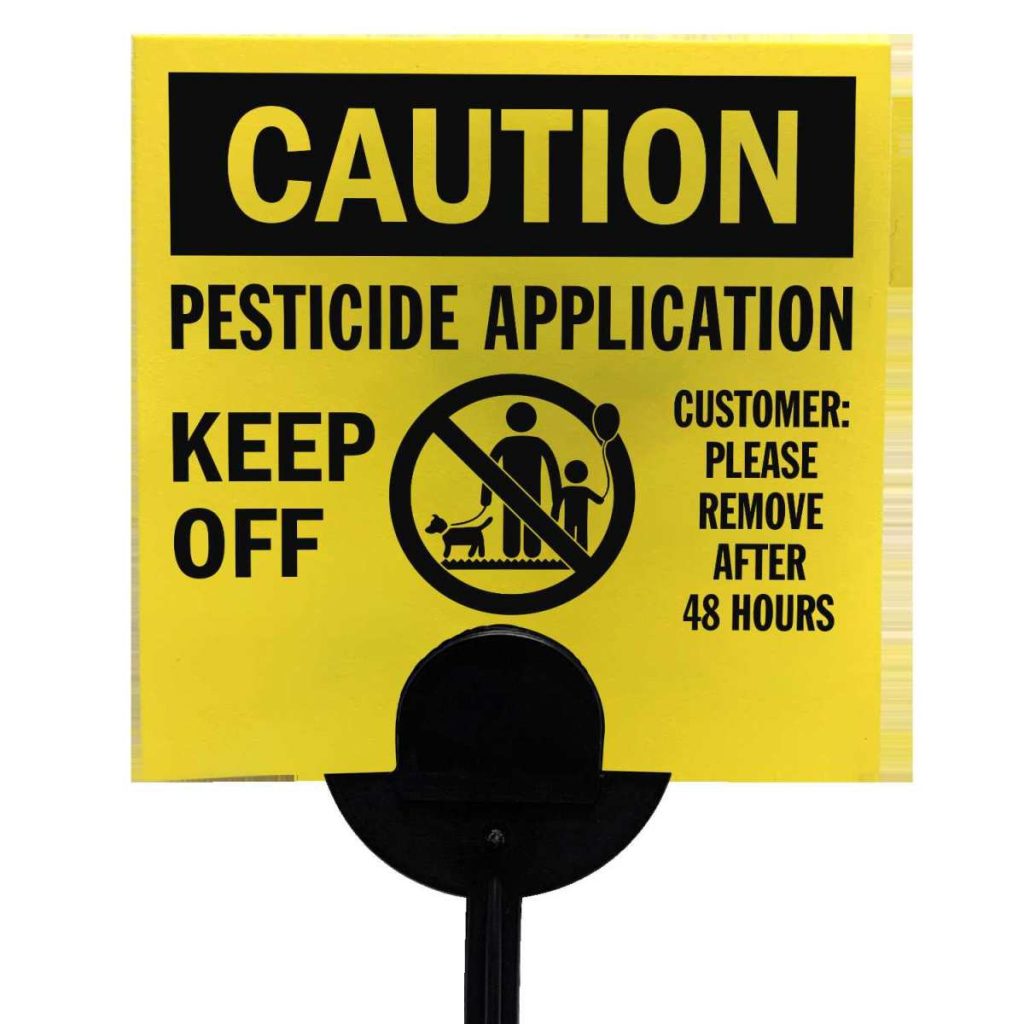
Always follow label instructions and safety precautions. Wear protective clothing like gloves and masks, and keep children and pets away during and after treatment until safe.
Proper Application Techniques
Use the correct equipment and apply pesticides evenly. Avoid overspraying or applying during windy conditions to prevent chemical drift.
Storage and Disposal
Store pesticides in a secure, labeled area away from food and water sources. Dispose of unused chemicals according to local regulations to prevent environmental contamination.
Applying pesticide at the right time is essential for keeping your lawn healthy and free from pests. By understanding pest life cycles, monitoring conditions, and considering weather patterns, you can decide when pesticide use is most effective. Always prioritize safety and integrate other pest control methods to protect your lawn and the environment.
How to Use Spectracide® Triazicide® Insect Killer For Lawns Granules
Frequently Asked Questions
What are the ideal weather conditions for applying lawn pesticides?
Applying pesticides during mild, dry weather ensures effective treatment and prevents runoff. Ideally, choose days when there is no rain forecast for at least 24 hours. Wind speeds should be low to avoid drift and ensure even coverage. Early mornings or late afternoons are good times because temperatures are moderate, reducing the risk of pesticide evaporation or damage to plants.
How do I determine the best season to apply pesticide on my lawn?
The best time to apply pesticides depends on the pest you aim to control and the growth cycle of your grass. Spring and early summer are typically suitable for preventing invasive insects and weeds before they establish deeply. Fall applications can target pests preparing to overwinter. Avoid applying pesticides during extreme heat or cold, as these conditions can reduce effectiveness and harm your lawn.
What signs indicate it’s time to treat the lawn with pesticides?
Look for signs such as visible pest infestations, damaged or discolored grass patches, and increased weed growth. If you notice insects crawling on your lawn or patchy areas with signs of disease, it suggests that pest or weed control is necessary. Regular monitoring helps you identify the right moments to treat your lawn before problems escalate.
Why should I avoid applying pesticides during certain times of the day?
Applying pesticides during the hottest parts of the day can cause the chemicals to evaporate quickly, reducing their effectiveness. Additionally, high temperatures can stress your lawn. Early morning or late afternoon applications allow pesticides to settle and dry properly without immediate exposure to intense sunlight, maximizing their impact while minimizing potential damage.
How long should I wait after rainfall before reapplying pesticides?
After heavy rain, wait at least 24 to 48 hours before reapplying pesticides to ensure the chemicals absorb into the soil and are not washed away. If light or no rain occurs, waiting 24 hours is usually sufficient. Always check the product label for specific reapplication intervals to follow safety guidelines and prevent overuse.
Final Thoughts
Applying pesticide to lawn requires timing it right for effectiveness and safety. Typically, apply when pests first appear or before they cause significant damage. Avoid applying during extreme heat or drought to prevent stress on your grass.
Monitoring weather conditions is essential; wait for calm, dry days to ensure pesticide adherence and minimize runoff.
In summary, knowing when to apply pesticide to lawn means observing pest activity and weather patterns carefully. Proper timing maximizes results and keeps your lawn healthy.