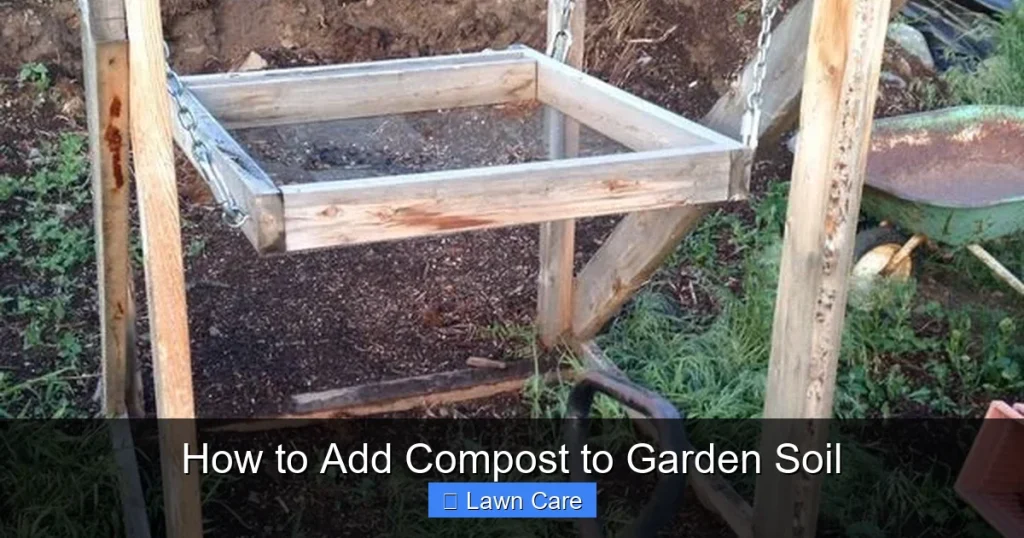
Adding compost to your garden soil is a fantastic way to boost its health and fertility. This guide explains the various methods, from simple top-dressing to incorporating it deeply, and highlights the numerous benefits compost brings. By following these steps, you can transform your soil, leading to stronger plant growth, better moisture retention, and a thriving garden ecosystem.
Adding compost to your garden soil is one of the most beneficial things you can do for your plants and your entire garden ecosystem. Compost is often called “black gold” by gardeners, and for good reason! It’s a nutrient-rich material created from decomposed organic matter, like kitchen scraps, yard waste, and manure. When you add compost to your garden soil, you’re not just feeding your plants; you’re actively improving the very foundation of your garden.
In this comprehensive guide, we’ll walk you through everything you need to know about adding compost to your garden soil. We’ll cover the “why” – the amazing benefits of compost – and the “how” – the practical methods for incorporating it into your soil for maximum impact. Whether you’re a seasoned gardener or just starting out, this guide will equip you with the knowledge to transform your soil into a vibrant, healthy environment for your plants.
Key Takeaways
- Compost enriches soil with vital nutrients: It acts as a slow-release fertilizer, providing essential elements that plants need to flourish.
- Improves soil structure: Compost helps both sandy and clay soils by improving their ability to hold water and nutrients, and by increasing aeration.
- Boosts beneficial microbial activity: It introduces a diverse community of microorganisms that help break down organic matter and make nutrients available to plants.
- Enhances water retention: Compost acts like a sponge, helping the soil to hold onto moisture, which is crucial for plant health, especially during dry periods.
- Suppresses plant diseases: Healthy soil rich in compost can help plants resist certain soil-borne diseases.
- There are multiple application methods: Depending on your needs and garden type, you can top-dress, incorporate it into planting holes, or mix it into the soil broadly.
Why Add Compost to Your Garden Soil? The Incredible Benefits
Before we dive into the “how,” let’s understand why this is such a worthwhile endeavor. Compost is a powerhouse amendment that offers a multitude of advantages for your soil and, consequently, for your plants.
Nutrient Enrichment
Compost is packed with a wide array of macro and micronutrients that plants need for healthy growth. Unlike synthetic fertilizers, these nutrients are released slowly over time, providing a steady supply without the risk of burning plants. This steady feeding helps promote vigorous growth, better flowering, and more abundant fruiting.
Improved Soil Structure
This is perhaps one of the most significant benefits. Compost acts as a natural soil conditioner.
- For Clay Soils: Compost helps to break up dense clay particles, improving drainage and aeration. This prevents waterlogging and allows roots to penetrate more easily.
- For Sandy Soils: Compost binds sandy particles together, increasing the soil’s ability to retain moisture and nutrients. This is crucial for sandy soils that tend to drain too quickly and leach away valuable minerals.
Ultimately, compost helps create a crumbly, well-aerated soil structure that is ideal for root development. For those looking to improve their lawn’s soil, using compost is an excellent strategy. You can learn more about how to use compost to improve lawn soil for fantastic results.
Enhanced Microbial Activity
Healthy soil is alive! Compost introduces a diverse population of beneficial bacteria, fungi, and other microorganisms. These microbes are essential for decomposing organic matter, cycling nutrients, and making them available to plants. A thriving soil food web contributes to a more resilient and productive garden. The role of microbes in lawn soil health is vital, and compost is a key way to boost them.
Better Water Retention
Compost has an incredible capacity to absorb and hold water. Think of it like a sponge. This means your soil will stay moist for longer, reducing the need for frequent watering and helping your plants withstand periods of drought. This is particularly helpful in hot or dry climates. Maintaining soil moisture is key for healthy grass, and compost plays a significant role.
Disease Suppression
Strong, healthy plants grown in compost-rich soil are often more resistant to pests and diseases. Furthermore, the beneficial microorganisms introduced by compost can actively outcompete or even suppress harmful pathogens in the soil.
Reduced Soil Erosion
A well-structured soil, thanks to compost, is less prone to being washed or blown away. The improved aggregation of soil particles helps to anchor them in place, protecting your garden from erosion, which is especially important for sloped areas.
Methods for Adding Compost to Garden Soil
Now that you’re convinced of the power of compost, let’s explore the different ways you can add it to your garden. The best method often depends on what you’re planting, the size of your garden, and the condition of your soil.
1. Top-Dressing (Broad Application)
This is the simplest and least disruptive method. It involves spreading a layer of compost over the surface of your garden soil. This is ideal for established gardens, lawns, or when you want to slowly improve soil over time.
How to Top-Dress
- Choose the Right Time: The best times are typically in spring before planting or in fall after the growing season has ended. This allows the compost time to break down and integrate into the soil.
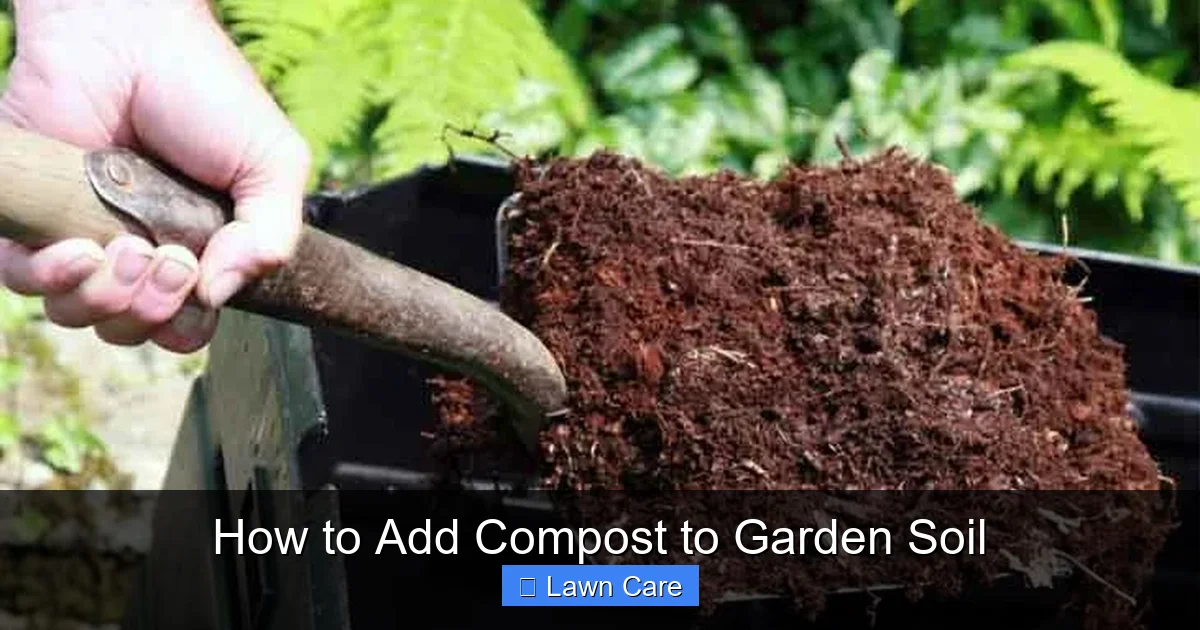
- Gather Your Compost: Ensure your compost is finished and well-rotted. You don’t want large, undecomposed chunks. If you’re making your own, understanding how to compost for lawn and garden is essential.
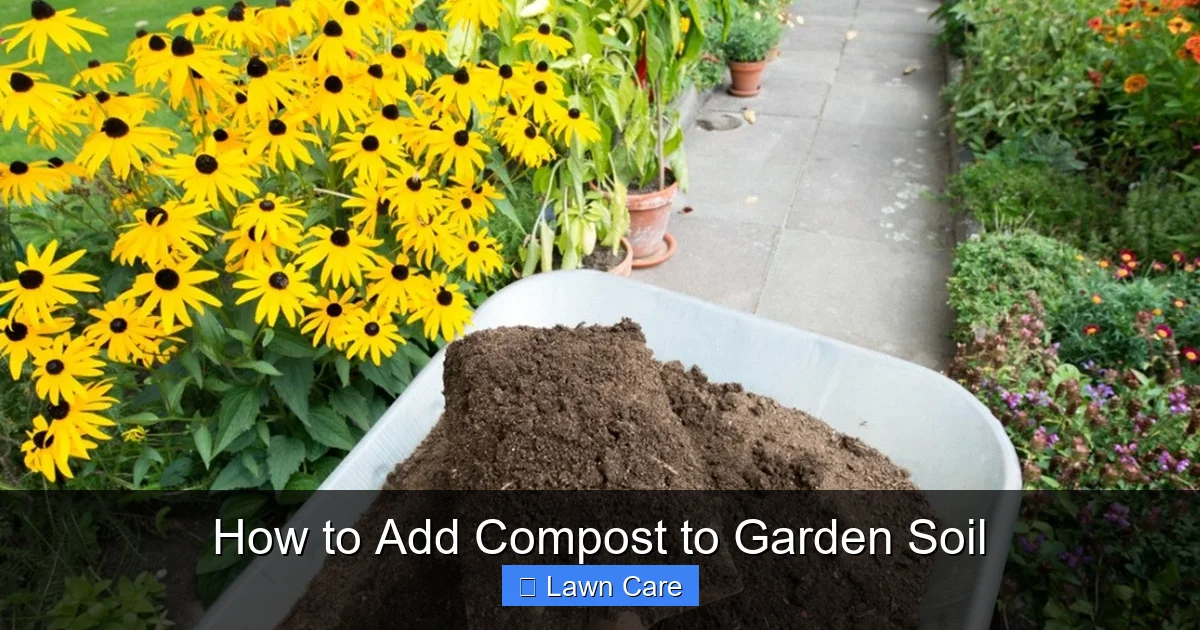
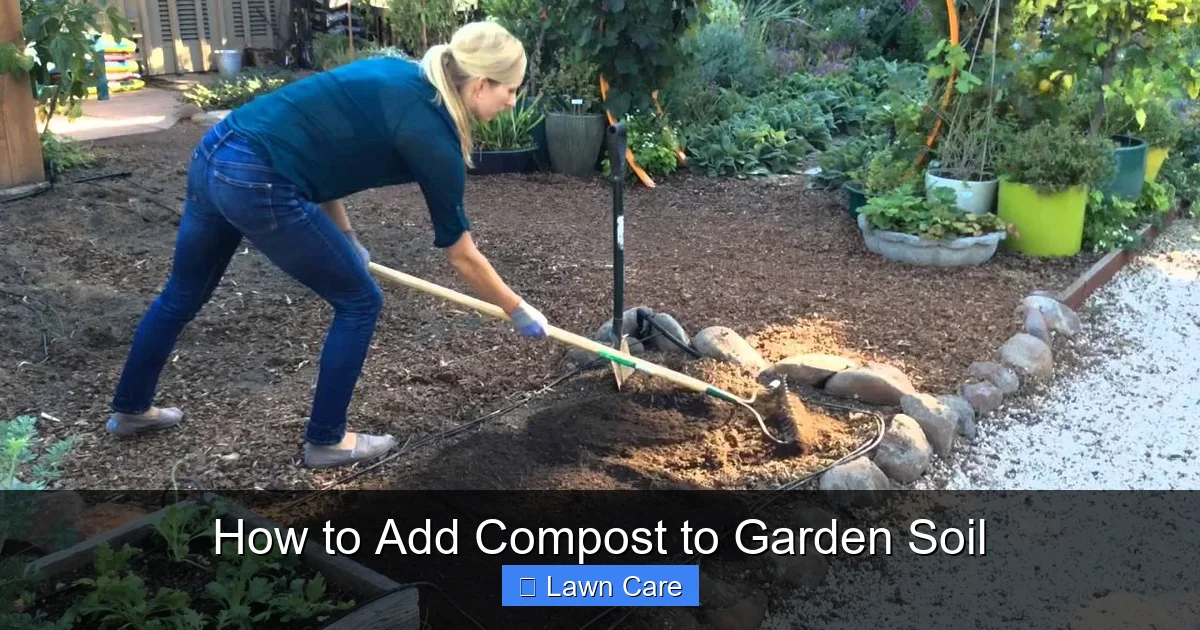
- Spread Evenly: Use a shovel or a pitchfork to spread a layer of compost, typically 1-3 inches thick, over the soil surface. You can also use a wheelbarrow and a rake to distribute it evenly.
- Let Nature Do the Work: For established perennial beds or lawns, you can simply leave the compost on top. Earthworms and other soil organisms will gradually incorporate it into the soil.
- Lightly Rake (Optional): For a tidier look or if you’re concerned about aesthetics, you can lightly rake the compost into the top inch or two of the soil.
Tip: For lawns, top-dressing with compost is a fantastic way to improve grass health. Ensure the compost layer isn’t too thick, as it can smother the grass. A thin, even layer is best.
2. Incorporating into Planting Holes
This method is perfect for individual plants, trees, shrubs, or when you’re starting a new garden bed and digging individual holes. It ensures the plant’s immediate root zone gets a concentrated dose of nutrients and improved soil.
How to Incorporate into Planting Holes
- Dig the Hole: Dig a hole that is at least twice as wide and as deep as the plant’s root ball.
- Mix Compost with Soil: Take about one-third to one-half of the soil you removed from the hole and mix it thoroughly with an equal amount of finished compost. Aim for a 50/50 mix of native soil and compost.
- Backfill the Hole: Place the plant in the center of the hole. Then, use the compost-soil mixture to backfill around the root ball. Ensure the top of the root ball is level with the surrounding soil.
- Water Thoroughly: Water the plant well after backfilling to settle the soil and eliminate air pockets.
Tip: Avoid filling the entire hole with pure compost, as this can create a “pot effect” where roots may be reluctant to grow out into the surrounding native soil. A mix is always best.
3. Incorporating into New Garden Beds (Broadforking or Tilling)
When creating a new garden bed or renovating an existing one, it’s beneficial to mix compost throughout the entire area. This improves the soil structure and nutrient content across the whole bed, creating an optimal environment for a wide range of plants.
How to Incorporate into New Beds
- Prepare the Area: Remove any existing weeds or debris from the garden bed.
- Apply Compost: Spread a generous layer of compost, typically 2-6 inches thick, over the entire surface of the bed. The thicker the layer, the greater the impact.
- Mix into the Soil: This is where you have a few options:
- Digging/Turning: Use a spade or garden fork to turn the compost into the top 6-12 inches of soil. This is a physical workout but very effective.
- Broadforking: A broadfork is a great tool for loosening compacted soil without excessive turning, and it allows you to easily mix in compost. How to aerate compacted lawn with garden fork can offer insights into similar techniques for soil improvement.
- Tilling (Use with Caution): A rototiller can quickly incorporate compost. However, excessive tilling can damage soil structure and harm beneficial organisms. If you till, do so gently and try not to overwork the soil.
- No-Dig Method: If you’re adopting a no-dig approach, simply lay the compost on top of the soil, and it will gradually be incorporated by earthworms and other soil life over time.
- Level and Water: Once mixed, rake the surface level and water the bed to help settle the soil.
Tip: If you are planning to add compost to a larger area, consider how you will source and transport it. You might need a wheelbarrow or even a small truck. If you’re generating your own compost, learning how to recycle yard waste into compost can be very rewarding.
4. Mixing with Potting Soil
Compost is an excellent addition to homemade potting mixes or to “bulk up” commercially bought potting soil. It adds nutrients, improves drainage, and enhances aeration, creating a healthier environment for container plants.
How to Mix with Potting Soil
- Use Finished Compost: Ensure your compost is fully composted and free of weed seeds or pathogens.
- Ratio is Key: A common ratio for a good potting mix is roughly 1 part compost to 2 parts peat moss or coco coir, and 1 part perlite or vermiculite for drainage and aeration. Adjust based on your plant’s needs.
- Mix Thoroughly: Combine all ingredients in a large tub or on a tarp and mix until well combined.
Tip: For seed starting mixes, use a finer, more mature compost and a higher proportion of fine-textured ingredients like vermiculite.
When to Add Compost
The timing of compost application can influence its effectiveness. Here are some general guidelines:
- Spring: Before planting new seeds or transplanting seedlings, incorporate compost into the soil. This provides nutrients and improves soil structure for the entire growing season.
- Fall: After harvesting, spreading a layer of compost over garden beds allows it to decompose over winter, enriching the soil for the following spring. This is particularly beneficial for beds that will be left fallow.
- During the Growing Season: For established perennial beds or trees, top-dressing with a thin layer of compost in spring or early summer can provide a nutrient boost.
- For Lawns: Top-dressing lawns with compost is best done in early spring or early fall when grass is actively growing.
Troubleshooting Common Compost Issues
While compost is generally beneficial, there can be a few minor issues to watch out for:
Issue: Compost smells like ammonia or rotten eggs.
Cause: This indicates your compost pile is too wet or lacks sufficient aeration (too much “green” material or not enough “brown”).
Visual guide about How to Add Compost to Garden Soil
Image source: gardeningknowhow.com
Visual guide about How to Add Compost to Garden Soil
Image source: helpmecompost.com
Visual guide about How to Add Compost to Garden Soil
Image source: i.ytimg.com
Solution: Turn the compost pile to introduce air. Add more carbon-rich “brown” materials like shredded leaves or straw. If it’s too wet, add dry materials to absorb excess moisture.
Issue: Compost contains undecomposed materials.
Cause: The composting process may not be complete, or larger items weren’t broken down enough before adding.
Solution: If you’re using homemade compost, let it age for a few more weeks or months. For purchased compost, try to screen out larger pieces before applying, or return it to your compost bin.
Issue: Compost seems to be attracting pests (rodents, flies).
Cause: This often happens if the compost contains meat, dairy, or oily foods, or if the pile is too wet and not well-managed.
Solution: Ensure your compost only contains appropriate materials (see guides on how to turn leaf waste into garden compost for ideas). Bury food scraps deep within the pile and maintain good aeration and moisture levels. If using purchased compost, this is rarely an issue unless it’s very fresh and poorly composted.
Issue: Compost doesn’t seem to be making a difference.
Cause: You might not be using enough compost, or your soil has very specific deficiencies that compost alone can’t fix immediately.
Solution: Apply compost generously (2-6 inches for new beds, 1-3 inches for top-dressing). Consider testing your soil to identify specific nutrient needs. You might need to supplement with other natural amendments or fertilizers. How to improve soil quality for a healthier lawn can provide more in-depth strategies.
Conclusion
Adding compost to your garden soil is a cornerstone of sustainable and successful gardening. It’s a natural, effective way to build healthier soil, foster stronger plant growth, and create a more vibrant and resilient garden ecosystem. By understanding the benefits and applying the various methods for incorporation, you can unlock the full potential of your soil.
Remember that compost is not a quick fix but a long-term investment in your garden’s health. Consistent application, year after year, will lead to progressively better soil structure, increased fertility, and more beautiful, productive plants. So, grab your shovel, get your compost ready, and start transforming your garden one shovelful at a time!