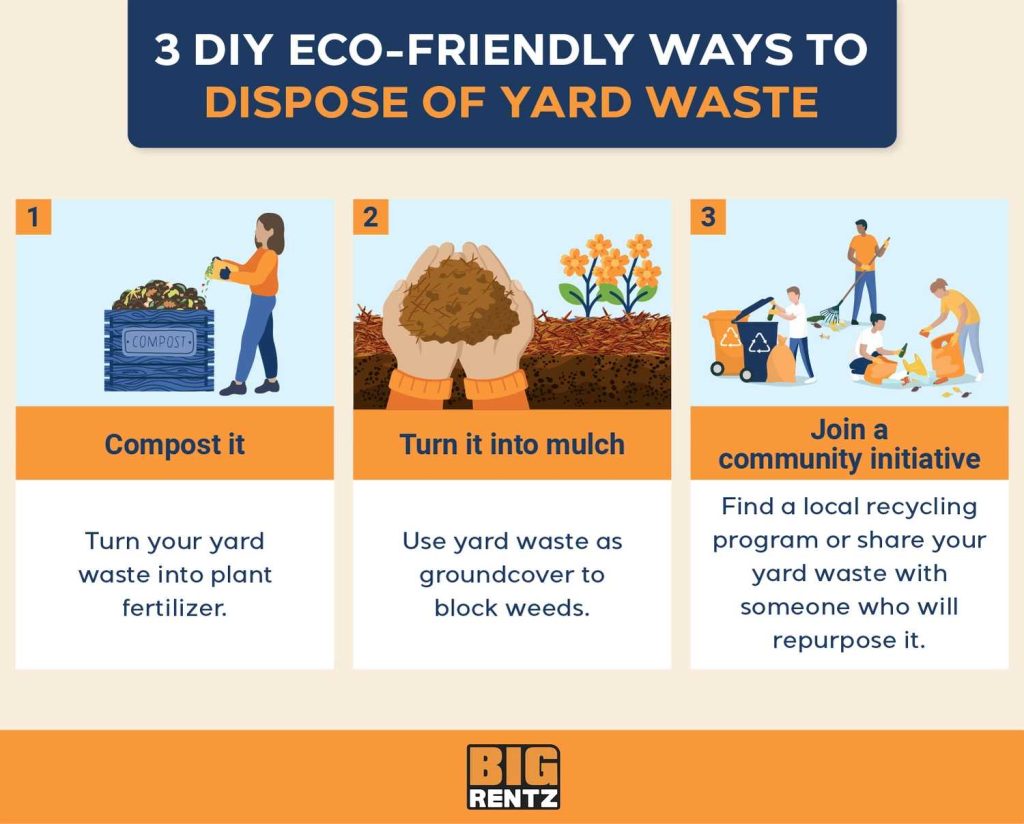
Start by collecting your yard waste, such as grass clippings, leaves, and garden trimmings, then layer them in a compost bin or pile, turning regularly to promote decomposition. This simple process transforms yard debris into rich, nutrient-packed compost that boosts your garden’s health. Recycling yard waste into compost not only reduces landfill overflow but also creates a sustainable way to nourish your plants naturally.
To recycle yard waste into compost, begin by gathering organic materials like leaves, grass, and small branches. Create layers of green (fresh, nitrogen-rich) and brown (dry, carbon-rich) materials in a compost bin, mixing them well and turning the pile every few weeks to aerate. Maintain the moisture level, keep the pile warm, and soon enough, your yard waste will break down into wholesome compost ready to enrich your garden soil. This eco-friendly practice saves money and helps nurture a greener, healthier environment.

How to Recycle Yard Waste into Compost
Recycling yard waste into compost is a simple way to turn leftover plant materials into nutrient-rich soil. It helps improve your garden’s health and reduces waste going to landfills. Composting also saves money on fertilizers and enriches your garden naturally.
What Yard Waste Can Be Composting
Yard waste includes many garden and lawn leftovers. It can be leaves, grass clippings, branches, weeds, and plant debris. These materials break down naturally and turn into compost over time.
It’s important to know what to include and what to avoid. For example, avoid composting diseased plants or invasive weeds to prevent spreading problems.
Common Yard Waste for Composting< /h4>
- Leaves and fallen foliage
- Grass clippings
- Small branches and twigs
- Weeds (excluding those with seeds)
- Plant cuttings and garden debris
- Pea and bean vines
By collecting these materials regularly, you’ll create a steady supply of compost ingredients.
Preparing Yard Waste for Composting
Proper preparation speeds up the composting process. Shredding or chopping yard waste into smaller pieces increases the surface area, helping microbes break down materials faster.
For example, use a lawnmower or garden shredder to cut leaves and branches. Smaller pieces decompose more quickly and evenly.
Steps to Prepare Yard Waste< /h4>
- Collect your yard waste regularly.
- Shred or chop thick branches and tough plant material.
- Avoid including weeds with seeds or invasive species.
- Mix different types of yard waste to create a balanced compost pile.
This preparation ensures your compost will develop evenly and more efficiently.
Building a Compost Pile or Bin
Creating the right environment is crucial for composting success. You can choose a simple pile or a designated compost bin, depending on space and preference.
Locate your compost area in a shaded spot to prevent drying out, but not so shady that it lacks airflow.
How to Build a Compost Pile< /h4>
- Start with a layer of coarse materials like small branches or straw at the bottom.
- Alternate layers of yard waste and other composting materials.
- Add moisture periodically to keep the pile damp but not soaked.
- Turn the pile every few weeks to aerate it and provide oxygen to microbes.
If using a compost bin, follow the manufacturer’s instructions for setup and maintenance. Keeping the pile balanced with green and brown materials promotes healthy composting.
The Balance of Green and Brown Materials
Maintaining the correct ratio of green to brown materials is key. Green materials are nitrogen-rich and include fresh grass clippings, vegetable scraps, and weeds.
Brown materials are carbon-rich, such as dried leaves, twigs, and shredded paper. Balancing these creates an optimal environment for microbes to thrive.
Ideal Green to Brown Ratio< /h4>
| Green Materials | Brown Materials |
|---|---|
| Grass clippings | Dried leaves |
| Vegetable scraps | Shredded paper |
| Weeds (without seeds) | Cardboard |
Follow a ratio of roughly one part green materials to two parts brown to ensure quick and healthy composting.
Maintaining Your Compost
Regular maintenance helps your compost reach maturity faster. Keep the pile moist, similar to a damp sponge, especially during dry weather.
Turning the compost every two to three weeks introduces oxygen, which is essential for microbes to decompose materials effectively. It also speeds up the process and prevents foul odors.
Additional Tips for Compost Maintenance< /h4>
- Monitor moisture levels and add water if the pile dries out.
- Notice the temperature; a hot pile indicates active decomposition.
- Remove any unfinished or unwanted material during turning.
Consistent upkeep ensures your compost will turn into rich, dark soil in a few months.
Monitoring Compost Progress
Good compost looks dark, crumbly, and earthy with a pleasant smell. It should be free of recognizable plant material and pests.
The temperature should stay between 130°F and 160°F during the active phase, killing weed seeds and pathogens.
Signs Your Compost is Ready< /h4>
- It resembles dark soil with a smooth texture.
- It has an earthy aroma without foul odors.
- Materials are unrecognizable and completely broken down.
Using a compost thermometer helps you track the temperature and know when it’s mature.
Using Your Compost
Once finished, spread the compost in your garden beds to improve soil health. It provides essential nutrients and helps retain moisture.
Mix the compost into the soil, especially around plants that need extra nourishment, or use it as mulch to control weeds and conserve water.
Additional Ways to Recycle Yard Waste
If composting isn’t an option, consider alternatives like mulching your yard waste directly or using it for erosion control.
Composting reduces waste, supports sustainable gardening, and creates a healthy environment for plants.
Related Topics
- How to start a compost bin at home
- Best composting methods for small spaces
- Benefits of composting for your garden and environment
- Tips for managing pests and odors in compost piles
Recycling yard waste into compost is a rewarding activity that benefits your garden and the environment. With the right materials, proper preparation, and regular maintenance, you can produce high-quality compost that will make your plants thrive. Enjoy turning scraps into garden gold and watching your landscape flourish with less waste and more growth.
5 Composting Myths You Should Stop Believing Right Now
Frequently Asked Questions
What materials should I avoid adding to my compost pile?
When composting yard waste, avoid materials like glossy or coated paper, plants treated with chemicals or pesticides, dairy products, meat, and oily items. These can disrupt the composting process or attract pests. Stick to organic yard debris such as grass clippings, leaves, wood chips, and small branches to ensure healthy compost production.
How can I ensure proper airflow in my compost bin?
To keep your compost well-aerated, turn the pile regularly using a pitchfork or compost turner. Additionally, layer coarse materials like small sticks or wood chips throughout the pile to create air pockets. Proper airflow accelerates decomposition, reduces odors, and promotes healthy microbial activity.
What is the ideal moisture level for composting yard waste?
Maintain compost moisture similar to a damp sponge—moist but not soaked. If the pile feels too dry, add water gradually while mixing. If it’s too wet, incorporate dry materials like leaves or shredded paper to absorb excess moisture. Consistent moisture supports microbial activity and speeds up composting.
How long does it typically take to turn yard waste into usable compost?
The composting process takes anywhere from a few months to a year, depending on factors like material size, moisture, temperature, and turning frequency. Regularly turning the pile and maintaining optimal conditions can help produce mature compost sooner, usually within six to eight months.
Can I compost yard waste during colder months?
Yes, you can continue composting in colder weather by insulating your compost bin with straw, mulch, or blankets to retain heat. Keep the pile moist and turn it periodically to prevent freezing. Though activity may slow down, composting can still progress during winter with proper care.
Final Thoughts
How to recycle yard waste into compost is simple and effective. Start by collecting leaves, grass clippings, and small branches. Mix these materials to create a balanced compost pile with both greens and browns. Keep the pile moist and turn it regularly to speed up decomposition. In no time, you’ll have nutrient-rich compost to enrich your garden soil and reduce waste.