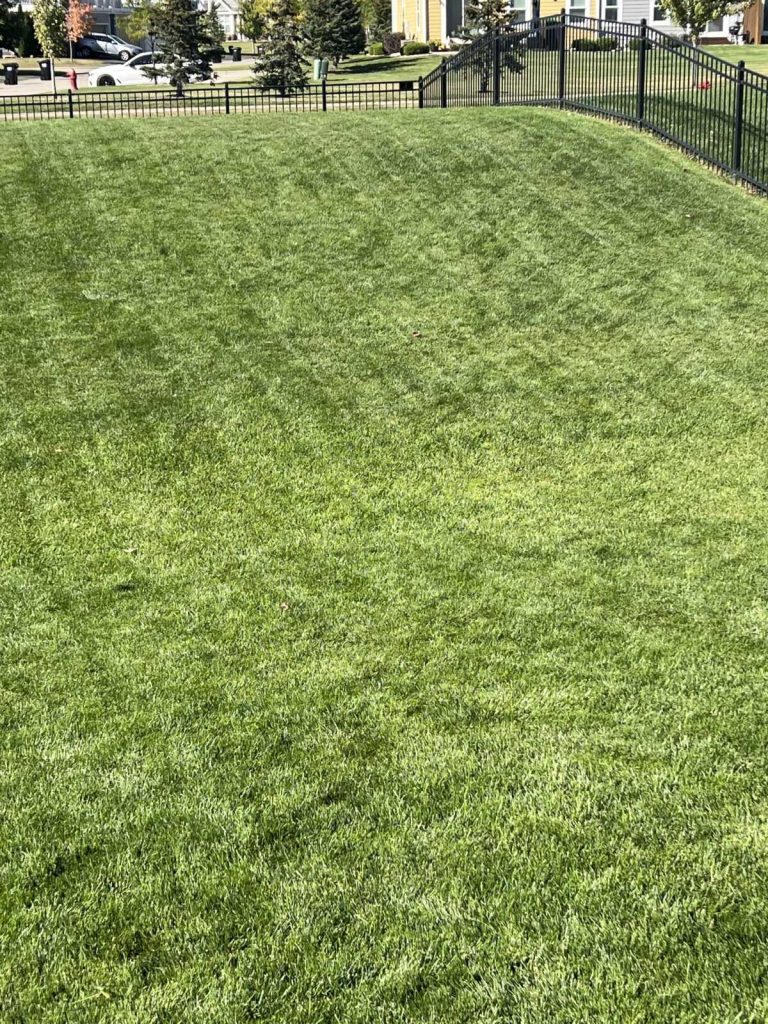
Yes, you can mix tall fescue and Kentucky bluegrass, and many lawn enthusiasts do so to enjoy the benefits of both species. Combining these grasses can create a resilient, lush, and adaptable lawn that withstands various weather conditions and foot traffic. It’s a popular choice because it offers the durability of tall fescue paired with the fine texture and rich green color of Kentucky bluegrass.
Mixing tall fescue with Kentucky bluegrass is definitely possible and often recommended for a balanced lawn. By blending these grasses, you get a lawn that is both hardy and visually appealing, capable of enduring drought, shade, and wear. This combination can lead to a more sustainable and vibrant yard, especially if you choose the right ratios and maintenance practices.
Getting a perfect blend of tall fescue and Kentucky bluegrass is popular among homeowners looking for a low-maintenance yet attractive lawn. While they have different growth habits and care needs, when combined thoughtfully, they complement each other well. Tall fescue’s deep roots help with drought tolerance, while Kentucky bluegrass’s fine texture enhances the overall look. This mix can thrive with proper watering, fertilization, and mowing, giving you a healthy, beautiful landscape that combines the best traits of both grasses.

Can I Mix Tall Fescue and Kentucky Bluegrass? A Complete Guide
Understanding Tall Fescue and Kentucky Bluegrass
Tall fescue and Kentucky bluegrass are two popular types of grasses used in lawns across many regions. Both have unique features that make them desirable, but they also differ in many ways. Knowing their characteristics helps decide if mixing them is a good idea.
**Tall Fescue** is a cool-season grass with a deep root system, making it drought-resistant. It grows tall, has coarse leaves, and is quite hardy. It thrives in areas with dry or hot conditions and needs less watering compared to other grasses.
**Kentucky Bluegrass** is also a cool-season grass but is known for its fine texture and lush appearance. It has a dense growth habit, which helps it recover quickly from damage. It prefers well-drained soil and cooler temperatures, making it ideal for temperate regions.
Can You Mix Tall Fescue and Kentucky Bluegrass? An Overview
Many lawn owners ask if blending these two grasses is possible. The short answer is yes, but with important considerations. A proper mixture can bring benefits, such as improved resilience and aesthetic appeal.
Mixing tall fescue and Kentucky bluegrass can create a lawn that combines drought tolerance with rich color and fine texture. However, it’s essential to understand their growing habits and maintenance needs before combining them.
Advantages of Mixing Tall Fescue and Kentucky Bluegrass
There are several benefits to blending these grasses. Combining their strengths can result in a more durable and visually appealing lawn.
- Drought Resistance: Tall fescue’s deep roots help the lawn stay green during dry periods, reducing watering needs.
- Fast Recovery: Kentucky bluegrass recovers quickly from damage, helping repair wear and tear.
- Enhanced Disease Resistance: A mixture can help prevent certain fungal diseases that target specific grasses.
- Improved Aesthetics: The fine texture of Kentucky bluegrass complements the coarser tall fescue, creating a lush, full look.
Challenges and Considerations When Mixing
While mixing has benefits, it also presents challenges that need planning. Understanding these can help ensure the lawn thrives.
Different Growth Rates
Tall fescue grows taller and faster than Kentucky bluegrass. This difference can lead to uneven lawns if not managed properly. Regular mowing at the right height helps maintain uniformity.
Watering and Maintenance
Tall fescue requires less frequent watering, whereas Kentucky bluegrass needs consistent moisture. Balancing watering practices is key to supporting both grasses equally.
Soil Preparation and Compatibility
Both grasses prefer well-drained soil but may have slightly different fertility needs. Proper soil testing and amendments ensure both grasses establish well together.
Best Practices for Creating a Tall Fescue and Kentucky Bluegrass Mixture
To maximize the benefits of mixing these grasses, follow proven planting and maintenance strategies.
Choosing the Right Seed Ratios
A common seed mixture includes 60% Kentucky bluegrass to 40% tall fescue. This balance provides density and drought tolerance. Adjust ratios based on specific lawn needs and regional climate.
Seeding Tips
– Start with a clean, aerated soil bed.
– Spread seeds evenly using a broadcast spreader.
– Lightly rake to ensure good soil contact.
– Water gently and consistently until germination occurs.
Ongoing Maintenance
– Mow regularly at 2.5 to 3 inches for optimal health.
– Water deeply but infrequently to encourage deep roots.
– Fertilize based on the lawn’s specific needs, often every six to eight weeks.
– Aerate annually to reduce soil compaction and promote healthy root growth.
Regional Considerations
Where you live impacts the success of mixing tall fescue and Kentucky bluegrass.
Cool-Climate Regions
Both grasses perform well in cooler temperatures, making their mixture ideal for northern states. They handle winter stress better when mixed.
Warm-Climate Regions
Tall fescue’s drought tolerance makes it suitable for warmer areas. Kentucky bluegrass may require more watering, so adjust mowing and watering accordingly.
Innovative Lawn Design Ideas with Mixed Grass
Mixing grasses isn’t just practical; it can also be creatively used in lawn design.
- Patterned Mowing: Create stripes or checkered patterns to highlight different grass textures.
- Color Blends: Use the contrasting shades of blue-green Kentucky bluegrass with the darker green tall fescue for visual variety.
- Defined Zones: Use tall fescue in drought-prone or high-use areas and Kentucky bluegrass in more decorative sections.
Summary of Key Points for Mixing Tall Fescue and Kentucky Bluegrass
– Mixing is feasible and can be beneficial if managed carefully.
– Proper seed ratios and planting techniques are essential.
– Regular mowing, watering, and fertilization support the mixture.
– Consider regional climate and soil conditions for best results.
– The combination can enhance lawn resilience and beauty.
Related Topics to Explore
– How to Maintain a Mixed Grass Lawn
– Best Fertilizers for Tall Fescue and Kentucky Bluegrass
– Lawn Pest and Disease Management for Mixed Turf
– Seasonal Lawn Care Tips for Temperate Climates
– How to Repair and Overseed a Mixed Grass Lawn
This overview shows that mixing tall fescue and Kentucky bluegrass is a smart choice for many homeowners. By understanding their differences and similarities, you can create a lawn that is both attractive and tough enough to handle seasonal changes. Proper planning, planting, and maintenance will help you enjoy a lush, healthy yard year-round.
Kentucky Bluegrass vs. Tall Fescue
Frequently Asked Questions
Is it advisable to mix tall fescue and Kentucky bluegrass in the same lawn?
Yes, mixing tall fescue and Kentucky bluegrass can be beneficial as they complement each other well. Tall fescue offers drought resistance and durability, while Kentucky bluegrass provides a fine texture and rich color. Combining both can create a lawn that is both resilient and aesthetically pleasing, especially in areas with varying climate conditions.
What are the main benefits of planting tall fescue alongside Kentucky bluegrass?
Planting tall fescue with Kentucky bluegrass enhances the overall lawn performance. Tall fescue’s deep root system helps it withstand drought and foot traffic, reducing maintenance needs. Kentucky bluegrass contributes to a lush, dense appearance, making the lawn look fuller. Together, they balance drought tolerance with visual appeal, leading to a healthier and more sustainable yard.
Are there specific planting practices to successfully combine tall fescue and Kentucky bluegrass?
To successfully combine these grasses, select a seed mix that contains both species or sow them separately but evenly across your lawn. Ensure proper soil preparation, such as aeration and fertilization, to promote even growth. Water consistently during the establishment period and mow at recommended heights—around 2.5 to 3 inches—to encourage healthy blending of the grasses.
Will mixing these grasses affect the lawn’s maintenance routine?
Mixing tall fescue and Kentucky bluegrass can simplify maintenance because tall fescue requires less frequent watering and fertilizing, while Kentucky bluegrass may need regular mowing and watering to maintain its lushness. Combining both kinds creates a balanced lawn that can handle varying weather conditions, reducing the need for intensive care across the board.
Can I expect differences in the growth patterns of tall fescue and Kentucky bluegrass when mixed?
Yes, you will notice some differences in their growth habits. Tall fescue tends to grow more upright with stronger stems, while Kentucky bluegrass develops a dense, rhizomatous mat that spreads across the soil. Proper management, such as mowing at appropriate heights and fertilization, helps these grasses coexist harmoniously, resulting in a uniform, attractive lawn.
Final Thoughts
You can mix tall fescue and Kentucky bluegrass to create a diverse and resilient lawn. These grasses complement each other, with tall fescue tolerating drought and wear, while Kentucky bluegrass provides a lush, dense appearance.
Mixing these species benefits lawn health and appearance, making maintenance easier.
Can I mix tall fescue and Kentucky bluegrass? Yes, combining them results in a hardy, attractive yard that withstands various conditions.