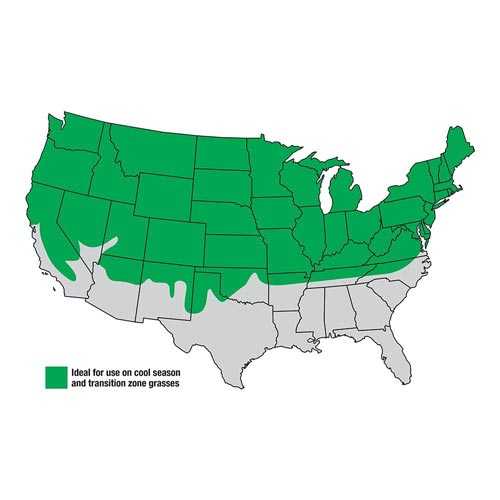
Kentucky bluegrass is a favorite for lush, green lawns, but where exactly does it thrive? If you’re curious about its ideal growing conditions, you’re in the right place. Kentucky bluegrass primarily flourishes in temperate regions with cool to moderate temperatures and well-drained soil. It’s commonly found across the northern United States, especially in the Midwest and Northeast, but can also adapt to some southern areas with proper care. This versatile grass is perfect for creating a dense, attractive turf, making it popular among homeowners and landscapers alike. Understanding where Kentucky bluegrass grows best can help you decide if it’s the right choice for your yard and how to maintain its vibrant health. Now, let’s explore the specific environments where this beautiful grass truly thrives.

Where Does Kentucky Bluegrass Grow? A Complete Guide
Introduction to Kentucky Bluegrass
Kentucky Bluegrass is a popular type of turfgrass known for its lush green color and fine texture. It is often used in lawns, parks, and sports fields because of its beautiful appearance and durability. Understanding where it grows best helps homeowners and landscapers create healthy, vibrant lawns.
Climate Conditions Favorable for Kentucky Bluegrass
Kentucky Bluegrass thrives in regions with **temperate climates**. It prefers **cool to moderate temperatures** and does well when summer temperatures stay below 85°F. This grass needs a period of cold dormancy in winter to stay healthy and grow strong.
Ideal Temperature Ranges
During active growth, Kentucky Bluegrass prefers temperatures between **60°F and 75°F**. When temperatures go above 85°F, it may struggle unless properly maintained with irrigation and shade.
Seasonal Growth Patterns
This grass grows best during **spring and fall** when temperatures are moderate. It enters dormancy during hot summer months, turning brown but remaining alive beneath the surface.
Geographical Areas Where Kentucky Bluegrass Grows Naturally
Kentucky Bluegrass is native to certain parts of North America, particularly in regions with **well-drained soils** and **moderate rainfall**.
Native Regions
– The **Great Plains** and **Midwest** areas of the United States
– Parts of **Eastern Canada**
– Some areas in **Northern United States** including **Minnesota**, **Iowa**, and **Wisconsin**
Natural Habitat Characteristics
In its natural habitat, Kentucky Bluegrass prefers **slightly acidic to neutral soils** with pH levels ranging from **6.0 to 7.0**. It grows well in areas with **moderate moisture** and **full sun** to **partial shade**.
Where Does Kentucky Bluegrass Grow Best?
Kentucky Bluegrass shines in **lawns**, **sports fields**, and **parks** that meet its growth needs.
Optimal Growing Regions
Regions with **cool, moist climates** are ideal for Kentucky Bluegrass to flourish naturally or with minimal intervention. It is commonly seen in **northern states** and **mountainous areas** due to these favorable conditions.
Sunlight Requirements
This grass needs **at least six hours of direct sunlight** each day for the best growth. While it can survive in shaded areas, its health and color may decline without sufficient sun.
Soil Types Suitable for Kentucky Bluegrass
Soil quality plays a significant role in the success of Kentucky Bluegrass lawns. It prefers:
- Well-drained **loamy soils**
- Soils rich in **organic matter**
- pH levels between **6.0 and 7.0**
Soil Preparation Tips
Before planting, it’s good to **test soil pH** and amend it if necessary with **lime** or **acidifiers**. Ensure proper **drainage** to prevent waterlogging, which can harm the roots.
Growing Kentucky Bluegrass in Different Regions
While Kentucky Bluegrass is adaptable, plant health depends on matching it with regional conditions.
In Northern Regions
Its cool-season nature makes it **perfect for colder climates** like the **Northwest** and **Northeast**. Regular overseeding and watering keep it dense during the growing seasons.
In Warmer Climates
In **southern parts** of the United States, Kentucky Bluegrass may struggle without **extra care**. It often requires **shade**, **irrigation**, and overseeding with **warm-season grasses**.
Growing Kentucky Bluegrass in Lawns and Landscapes
Kentucky Bluegrass is prized for its **lush appearance** and **ability to recover from wear**.
Seeding and Sod Options
– **Seeding** is a common method to establish a new Kentucky Bluegrass lawn. It is affordable and straightforward.
– **Sod** provides instant results and is ideal for repairs or establishing a dense lawn quickly.
Maintenance Practices
Maintaining a healthy Kentucky Bluegrass lawn involves:
– Regular watering, especially during dry periods
– Proper mowing heights of **2.5 to 3 inches**
– Fertilization with **nitrogen-rich fertilizers**
– Overseeding to fill in thin areas
Challenges and Limitations
Despite its many advantages, Kentucky Bluegrass faces certain challenges:
Susceptible to Diseases
It can be affected by **dollar spot**, **rust**, and **leaf spot** diseases if not properly cared for.
Limited Drought Tolerance
It requires consistent moisture and may turn brown during extended droughts unless irrigated.
Shade Sensitivity
While it can tolerate partial shade, dense shade results in poor growth and thinning lawns.
Related Topics: Other Cool-Season Grasses
In regions where Kentucky Bluegrass struggles, alternative grasses include:
– **Perennial Ryegrass**
– **Fine Fescue**
– **Tall Fescue**
These grasses may require less water and tolerate shade better but may not produce the same lush appearance as Kentucky Bluegrass.
Kentucky Bluegrass naturally grows in **cool, moist climates** across North America, especially in the **northern United States** and **Canada**. It thrives in areas with **well-drained soils**, **full sunlight**, and **moderate rainfall**. Proper care, including **fertilization**, **watering**, and **mowing**, ensures it stays healthy and vibrant. Recognizing its ideal growing conditions helps in establishing beautiful lawns and landscapes that turn green and lush year-round.
Kentucky Bluegrass Pros and Cons
Frequently Asked Questions
In which climates does Kentucky bluegrass thrive best?
Kentucky bluegrass performs well in regions with moderate temperatures and adequate rainfall. It prefers cooler seasons and grows best in climates where summer temperatures stay below 85°F (29°C). In areas with harsh winters or extremely hot summers, the grass may need extra care to stay healthy.
What types of soil are suitable for Kentucky bluegrass growth?
Kentucky bluegrass grows best in well-drained, fertile soils that are rich in organic matter. It prefers soils with a pH level between 6.0 and 7.0. Proper soil preparation, including aeration and fertilization, can improve its growth and overall health.
Are there specific regions or states in the U.S. where Kentucky bluegrass is commonly found?
Yes, Kentucky bluegrass is commonly found in the northern and central parts of the United States. It is widespread in states such as Kentucky, Ohio, Michigan, and parts of the Pacific Northwest. Its adaptability makes it a popular choice for lawns and sports fields in these areas.
How does the local environment influence the growth of Kentucky bluegrass?
The availability of consistent moisture, proper sunlight, and suitable soil conditions directly impact Kentucky bluegrass growth. It flourishes in areas with full sun to partial shade but may struggle in overly shaded or drought-prone environments. Regular maintenance and watering can help it adapt to different conditions.
Final Thoughts
Kentucky bluegrass thrives in cool, temperate climates with well-drained soils. It prefers areas with plenty of sunlight to promote healthy growth. This grass type adapts well to lawns, parks, and sports fields, making it versatile.
Where does Kentucky bluegrass grow? It primarily flourishes in the northern and central United States, particularly in states like Kentucky, Colorado, and Nebraska. Its lush, green appearance makes it a popular choice for many outdoor spaces.