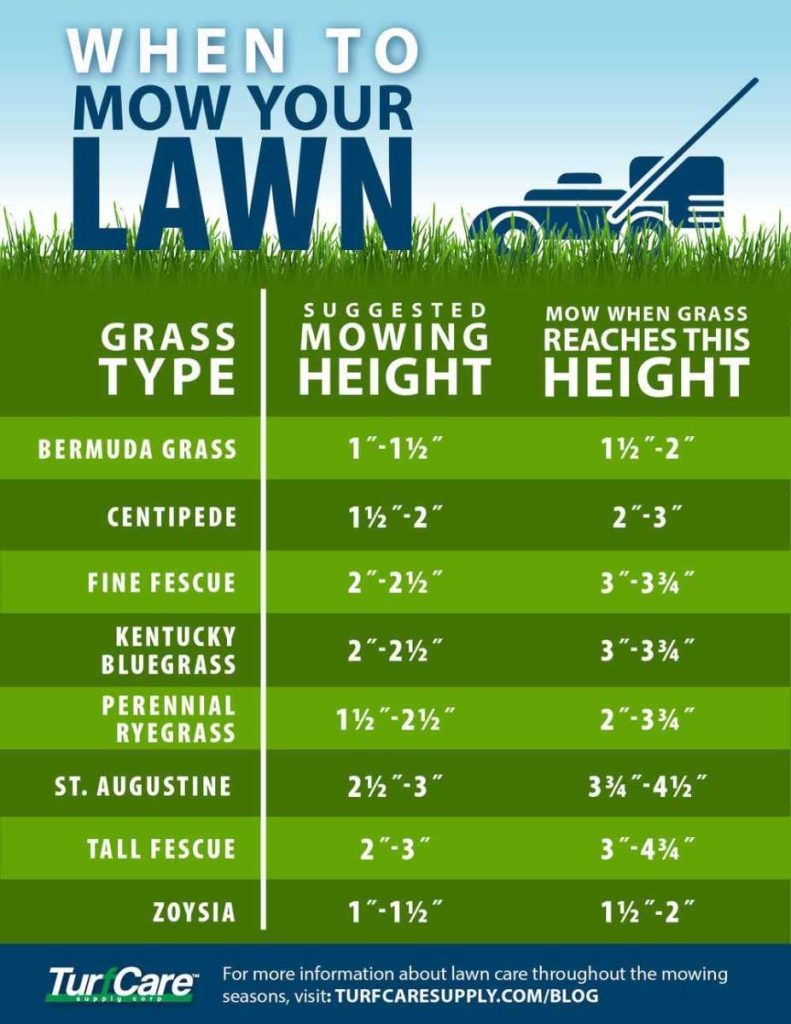
Mowing your lawn at just the right frequency can turn your yard from ordinary to extraordinary this spring. For a lush, healthy green, aim to mow every one to two weeks as the grass begins to grow actively. Keep your blade sharp and don’t cut more than one-third of the grass height at a time to promote stronger roots and prevent stress. In spring, grass tends to grow faster due to increasing temperatures and longer days, so a regular mowing schedule is essential. By staying consistent, you’ll help your lawn stay neat, healthy, and vibrant throughout the season. Now, let’s explore exactly how often you should mow and some tips to keep your lawn looking its best as spring unfolds.

How Often to Mow Lawn in Spring: A Complete Guide
Understanding the Growth Cycle of Your Grass
Spring brings a burst of growth for your lawn as temperatures warm and daylight increases. During this time, grass starts to grow rapidly, making regular mowing essential. Knowing how fast your grass grows helps determine the correct mowing schedule.
The growth rate varies depending on the grass type, climate, and soil quality. Cool-season grasses like Kentucky bluegrass and fescue grow more in early spring, while warm-season grasses such as Bermuda and Zoysia pick up pace later. Monitoring your lawn’s growth can guide how often you should mow.
Why Proper Mowing Frequency Matters
Mowing too often can stress your grass, while mowing too infrequently leads to thatch buildup and uneven growth. Proper mowing encourages healthy, dense lawns that resist weeds and pests. It also helps prevent disease and keeps your yard looking neat.
A well-managed lawn benefits from a mowing schedule tailored to its growth pattern. Regular mowing also improves air circulation and sunlight penetration, fostering stronger grass roots.
Ideal Mowing Schedule for Spring
During early spring, aim to mow your lawn once every 7 to 10 days. As the weather warms and growth accelerates, increase mowing frequency to every 5 to 7 days. Once your grass reaches about 3 inches, it’s time to mow.
Adjust the schedule based on how quickly your grass grows. If it’s growing rapidly, mow more often; if growth slows, extend the interval. Never cut more than one-third of the grass height in a single mowing to prevent stress.
Factors Influencing Mowing Frequency
Several factors can affect how often you should mow your lawn in spring:
- Grass type: Cool-season grasses grow quicker in spring, requiring more frequent cuts.
- Weather conditions: Warm, sunny days promote growth, while cooler or rainy days slow it down.
- Soil health: Nutrient-rich soil encourages lush growth, demanding more regular mowing.
- Lawn height preferences: Maintaining optimal height around 2.5 to 3.5 inches is best for healthy lawns.
Monitoring these factors helps you create a flexible mowing plan. It keeps your grass healthy and ensures your lawn stays attractive throughout spring.
How to Properly Mow Your Lawn in Spring
Proper mowing techniques promote strong grass roots and good overall health. Always use sharp mower blades to achieve clean cuts, which reduce stress and prevent disease.
Adjust your mower height according to the grass type. For most lawns, cutting to 2.5 to 3 inches encourages deep roots and prevents weed invasion. Remember to mow when the grass is dry, as wet grass clumps and damages the mower.
Signs It’s Time to Mow
Your lawn’s growth rate is the best indicator for starting or increasing mowing frequency. If grass blades reach about 3 inches, it’s time for a trim. Regularly check your lawn during spring to maintain the desired height.
Other signs include grass appearing unruly or uneven, which suggests it’s time to mow. Avoid mowing when the grass is too wet, as this can lead to uneven cuts and mower clogging.
Dealing with Rapid Spring Growth
If your lawn experiences rapid growth during early spring, increase mowing frequency. Mowing more often prevents the grass from becoming too tall and promotes healthier growth.
In periods of vigorous growth, consider mowing every 4 to 5 days. This prevents the grass from exceeding 3 inches in height. Shorter grass also prevents weeds from taking hold and enhances lawn appearance.
Adjusting Mowing Based on Weather and Climate
Spring weather can be unpredictable, impacting how often you mow. Warm, sunny weeks lead to fast growth, requiring more frequent mowing. Conversely, cooler or rainy spells slow down growth, reducing mowing needs.
Pay close attention to weather forecasts and adjust your schedule accordingly. Always avoid mowing during periods of heavy rain or drought to keep your lawn in top condition.
Additional Tips for Spring Lawn Mowing
Maintaining a healthy spring lawn involves more than just mowing. Here are some helpful tips:
- Sharpen mower blades regularly: Sharp blades cut cleanly, reducing stress.
- Follow the one-third rule: Never remove more than one-third of the grass height at once.
- Change mowing patterns: Mow in different directions to prevent soil compaction.
- Incorporate fertilization: A nutrient boost in spring supports healthy growth, reducing mowing frequency.
These practices help your lawn grow evenly and stay resilient throughout the changing seasons.
Common Mistakes to Avoid in Spring Mowing
Many homeowners make errors that harm their lawns. Avoid these common mistakes:
- Mowing too low: Cutting grass excessively weakens roots and promotes weed growth.
- Over-mowing: Mowing too frequently without proper intervals stresses grass and damages blades.
- Mowing when grass is wet: Wet grass clumps and leads to uneven cuts, spreading disease.
- Using dull blades: Dull blades tear grass, making it susceptible to pests and disease.
Being mindful of these pitfalls keeps your lawn healthier and more vibrant.
Seasonal Transition: Moving from Spring to Summer
As spring progresses into summer, mowing frequency may need adjustment. Warm weather accelerates growth, often requiring mowing every 4 to 7 days.
Prepare your lawn for the hotter months by maintaining proper mowing height and scheduling. Consistent mowing during spring sets the foundation for a lush, summer-ready lawn.
Related Topics to Explore
For a comprehensive lawn care routine, consider exploring related topics such as:
- Spring fertilization tips: Boost growth and health.
- Proper watering techniques in spring: Support growth without overwatering.
- Lawn aeration and dethatching during spring: Improve soil health for better mowing results.
- Controlling weeds in spring: Maintain a tidy and healthy lawn.
These additional practices complement your mowing schedule and ensure a vibrant spring lawn.
By understanding the factors that influence how often you should mow in spring and applying proper techniques, your lawn will stay healthy and attractive all season long. Keep an eye on your grass’s growth and adapt your schedule as needed for the best results.
When To MOW, WATER, FERTILIZE New Lawns // FIRST MOW on Tall Fescue
Frequently Asked Questions
How can I tell if my lawn needs mowing in early spring?
Check the height of your grass regularly. If it exceeds 2.5 to 3 inches, it’s time to mow. In early spring, grass may grow slowly at first, so observe its growth rate and avoid cutting it too short. Proper mowing encourages healthy growth and prevents disease.
What is the recommended mowing frequency during the peak of spring growth?
During peak spring growth, plan to mow every one to two weeks. This schedule keeps your grass at an optimal height, typically around 2.5 inches. Adjust the frequency based on how quickly your lawn grows, especially after rain or fertilization.
Should I mow more frequently if the weather is warm and sunny in spring?
Yes, warmer and sunnier weather often accelerates grass growth. Increase your mowing frequency to every week or even twice a week if necessary. Maintaining the proper height helps your lawn stay healthy and resilient against weeds and pests.
How do I avoid damaging my lawn when mowing in early spring?
Set your mower to a higher cutting height to prevent cutting too much grass at once. Avoid mowing when the grass is wet, as this can cause tearing or uneven cuts. Regularly sharpen your mower blades for a clean cut that promotes healthy growth.
Can I mow my lawn more than once a week during spring?
Generally, mowing more than once a week is unnecessary unless your lawn experiences rapid growth. Frequent mowing can stress the grass, so stick to a schedule that matches the growth rate. Always ensure the grass isn’t cut too short to maintain its health.
Final Thoughts
In spring, mowing frequency depends on grass growth and weather conditions. Typically, mowing once a week keeps your lawn healthy and tidy. During rapid growth periods, you may need to mow more often.
Consistent mowing helps prevent weeds and encourages thicker grass. Adjust your schedule as needed based on how quickly your lawn grows. Always avoid cutting more than one-third of the grass height at once.
In conclusion, how often to mow lawn in spring varies, but regular weekly mowing usually suffices. Staying attentive to your lawn’s needs ensures a lush, healthy garden all season long.