To mow your lawn effectively with a sprinkler system, ensure the system is turned off before mowing, and schedule mowing after watering to avoid muddy patches. Adjust your mower’s height to suit your grass type, and mow in different directions to promote even growth. This way, you’ll keep your lawn healthy, neat, and well-watered without any hassle.
In short, the key to mowing with a sprinkler system is to turn off the sprinklers before you start, mow at the right height, and vary your mowing patterns. This approach helps maintain a lush, healthy lawn while preventing water waste and mower damage. Keep reading for practical tips to make this process seamless and efficient.
Mowing your lawn while managing a sprinkler system might seem tricky at first, but with a little planning, it can become a simple routine. Imagine stepping onto your perfectly edged yard, knowing that your watering schedule and mowing habits are working together to keep your grass vibrant and healthy. The trick is to coordinate your watering and mowing schedules so that your grass is moist but not soggy — usually, mowing shortly after watering ensures a clean cut and promotes healthy growth. Remember to turn off the sprinklers before mowing to avoid water spray on your mower blades and patches of muddy grass that can cause damage or uneven cutting. With these simple steps, you can enjoy a lush, well-maintained lawn that’s watered and trimmed to perfection.

How to Mow Lawn with Sprinkler System
Combining your lawn mowing routine with a sprinkler system can save you time and ensure your grass stays healthy. Proper coordination between watering and mowing helps prevent damage to the grass and promotes even growth. In this guide, you’ll find step-by-step instructions and useful tips to effectively mow your lawn alongside your sprinkler system.
Understanding Your Sprinkler System Setup
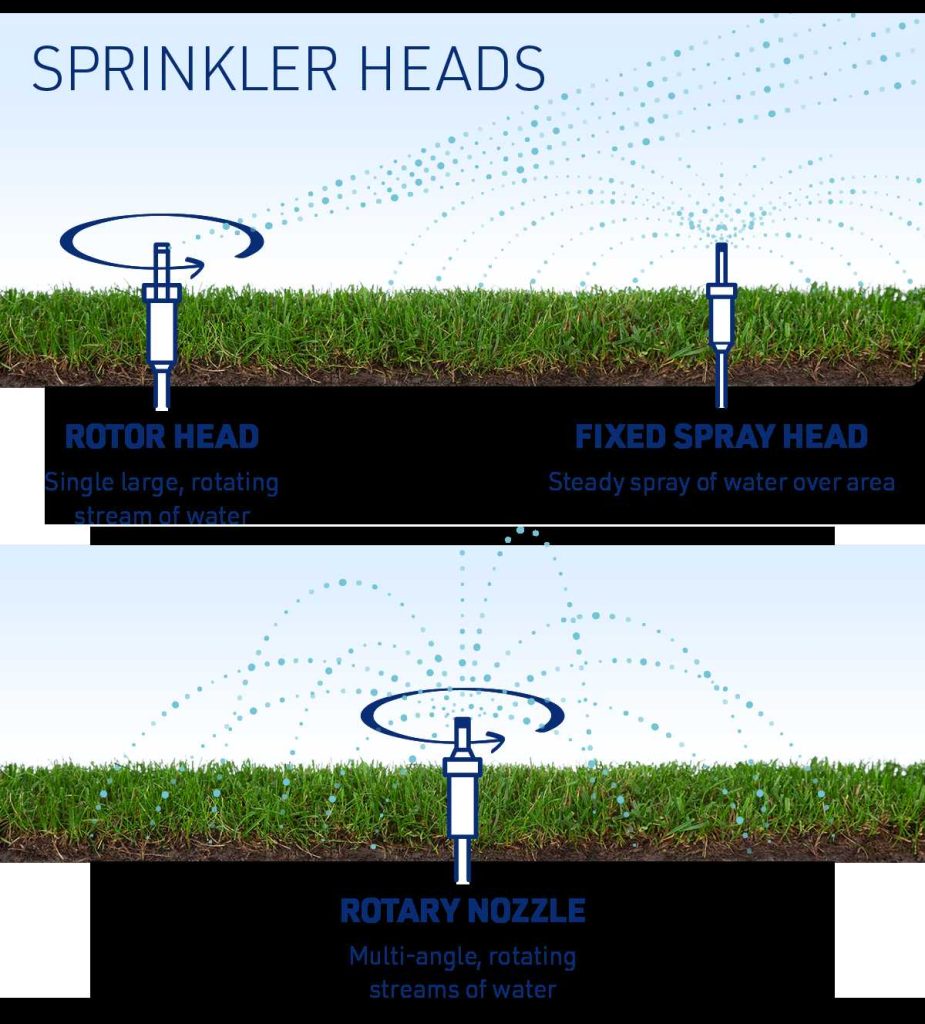
Before you start mowing, it’s important to understand how your sprinkler system is configured. This knowledge allows you to plan your lawn care activities without damaging the sprinklers or watering unevenly. Most systems are either manual, automatic, or a combination of both, and can include different types like rotor or spray sprinklers.
Identifying Spray Patterns and Zones
- Observe each sprinkler to see its watering pattern and radius.
- Note the zones in your lawn that are watered separately.
- Mark areas that receive more water to prevent mowing during or immediately after watering.
Locating Sprinkler Components
- Find sprinkler heads, valves, timers, and control panels.
- Make a diagram of your system for quick reference during mowing.
- Check for any exposed parts that may get damaged during mowing.
Planning Mowing Around Your Sprinkler Schedule
To avoid disrupting watering or damaging sprinkler heads, plan your mowing sessions accordingly. Timing is key to maintaining a healthy lawn while protecting your irrigation system.
Best Times to Mow
- Mow early in the morning before sprinklers turn on, if your system operates on a schedule.
- Or mow late in the evening after watering has stopped to allow the grass to dry.
- Avoid mowing immediately after watering, as the grass and soil can be too wet, leading to uneven cuts and turf damage.
Adjusting the Mowing Schedule
- Coordinate mowing times with your sprinkler timer if possible.
- Pause or disable sprinkler zones during mowing if your system allows manual control.
- Use your sprinkler timer to schedule watering during times when you’re not mowing.
Preparing Your Lawn for Mowing and Watering
Proper preparation ensures efficient mowing and watering without causing harm to your lawn or sprinkler system. This involves inspecting equipment, adjusting settings, and ensuring grass health.
Equipment Inspection and Maintenance
- Check your mower blades for sharpness; dull blades can tear grass, leading to disease.
- Clean sprinkler heads and filters to ensure uniform water distribution.
- Inspect sprinkler heads for damage or misalignment and repair if needed.
Adjusting Sprinkler Settings for Mowing Days
- Reduce watering duration if heavy watering occurs before mowing.
- Temporarily turn off zones that might conflict with mowing areas.
- Confirm that sprinklers won’t spray water onto the mower or yourself during operation.
Step-by-Step Guide to Mowing with a Sprinkler System
Follow these steps to ensure your mowing routine aligns well with your sprinkler system for a healthy, well-maintained lawn.
Step 1: Check the Weather and Watering Schedule
Always verify if your lawn has been watered recently. Wait at least 24 hours after watering before mowing, especially if the grass is damp. Use weather apps or your sprinkler system’s timer to plan accordingly.
Step 2: Prepare Your Equipment and Lawn
Ensure your mower blades are sharp for a clean cut. Remove any debris, sticks, or rocks from the lawn. Confirm sprinkler heads are functioning correctly and are not obstructed.
Step 3: Disable or Adjust Sprinkler Zones
To prevent damage, temporarily turn off or adjust zones that water the area you’re mowing. Use your system’s control panel or manual shut-off valves.
Step 4: Mow in Rows or Patterns
- Mow systematically in rows to avoid missing patches and to prevent mowing over sprinkler heads.
- Adjust your mower height based on grass type and season to promote healthy growth.
- For uneven terrains, mow in multiple passes, adjusting your speed for safety.
Step 5: Post-Mowing Care and Sprinkler Re-activation
After mowing, check your sprinkler system. Turn zones back on if they were disabled. Observe the system for leaks or issues and ensure sprinkler heads are aligned properly.
Tips for Effective Lawn and Sprinkler System Maintenance
Consistent care keeps your lawn lush and your irrigation system functioning smoothly. Here are some helpful maintenance tips:
Regular Inspection
- Weekly checks of sprinkler heads for clogs or damage.
- Monthly examination of wiring and control panels.
- Mowing the grass regularly to prevent overgrowth that can interfere with sprinklers.
Watering Management
- Adjust watering schedules seasonally to match grass needs.
- Avoid overwatering, which can lead to shallow roots and mold growth.
- Use rain sensors or smart timers to optimize watering times.
Lawn Care Practices
- Aerate the soil annually to improve water absorption.
- Fertilize as recommended for your grass type to promote stronger growth.
- Reseed patches for even, healthy coverage.
Using Technology to Simplify Your Lawn Routine
Modern sprinkler systems often come with features that simplify mowing and watering coordination. These include programmable timers, smart controllers, and sensors.
Smart Controllers and Automation
- Program watering schedules that adjust automatically based on weather conditions.
- Use app-based controls to turn zones on or off remotely before mowing.
- Combine sensors that detect soil moisture to prevent overwatering.
Integrating Lawn Care Apps
- Use apps to schedule mowing and watering for optimal times.
- Receive reminders for equipment maintenance or adjustments.
- Keep logs of your lawn care activities for better planning.
Common Mistakes to Avoid
- Mowing during or immediately after watering, which can smother grass and cause disease.
- Cutting grass too short, exposing roots and stressing the lawn.
- Ignoring sprinkler head issues, leading to uneven watering and patchy grass.
Summary of Key Points
- Know your sprinkler system’s zones and patterns to prevent damage during mowing.
- Schedule mowing times either before watering or several hours after to avoid wet grass.
- Maintain your equipment and sprinkler system regularly for optimal performance.
- Use smart technology to coordinate watering and mowing efficiently.
- Follow proper mowing techniques, such as mowing in different directions and at appropriate heights.
Combining your lawn mowing with your sprinkler system requires planning and attention, but with these guidelines, you can keep your grass healthy and your irrigation system functioning smoothly. Proper coordination ensures a lush, green yard with minimal effort and maximum results.
How to Mow a Lawn CORRECTLY
Frequently Asked Questions
How can I set up my sprinkler system to avoid interference when mowing my lawn?
To prevent the sprinkler heads from obstructing your mower, identify the locations of all sprinklers and adjust their height if possible. Consider installing pop-up heads that retract when not in use, or temporarily turning off the sprinklers during mowing sessions. Creating a mowing schedule that avoids watering times can also reduce interference and ensure a smoother mowing process.
What is the best way to mow my lawn without damaging the sprinkler system?
Use a mower with adjustable height to prevent cutting too low and damaging sprinkler heads. Keep the mower blades sharp to make clean cuts, reducing stress on the grass and sprinkler components. Before mowing, inspect your sprinkler layout and manually reposition any heads that are in the way, or mark their locations so you can navigate around them safely.
How do I coordinate watering and mowing schedules effectively?
Plan to mow your lawn when the grass is dry, typically a day after watering. Schedule watering sessions early in the morning or late in the evening, avoiding peak mowing times. This approach ensures the grass remains healthy while minimizing the risk of damaging the sprinkler system during mowing.
What tools can help me mow my lawn with an underground sprinkler system?
Tools like a garden marker or spray paint can help mark sprinkler heads and planning your mowing route. Using a mower with a deck height that can be easily adjusted allows you to avoid damaging sprinkler heads. Additionally, a moisture meter can help determine the best times for watering and mowing to preserve the health of your lawn and sprinkler system.
How should I maintain my sprinkler system to facilitate easy mowing?
Regularly inspect and clean your sprinkler heads to prevent blockages and ensure proper function. Adjust or replace any heads that are damaged or improperly positioned. Keeping the area around sprinkler components clear of debris and grass growth makes mowing safer and more efficient.
Final Thoughts
To mow lawn with sprinkler system effectively, schedule mowing when the grass is dry to prevent clumping and uneven cuts. Adjust your mower height to avoid damaging the roots. Turn off the sprinkler system before mowing to prevent water from splashing onto your mower or creating slippery surfaces. This approach ensures a clean cut and maintains your lawn’s health. Following these simple steps helps you achieve a well-manicured lawn without interfering with your watering routine.