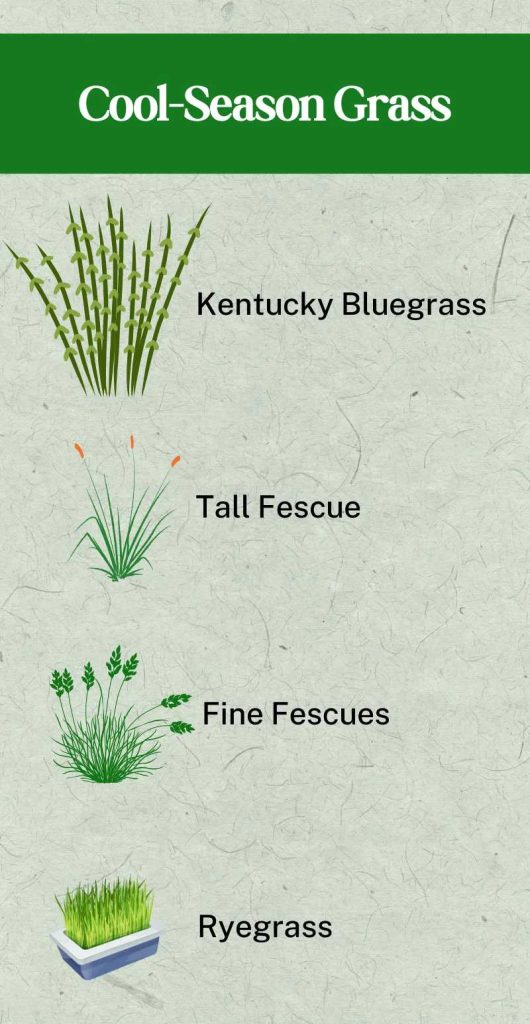
Dethatch Kentucky bluegrass every 1 to 3 years to keep your lawn healthy and lush. How often you should dethatch depends on the thickness of the thatch layer, with thicker thatch requiring more frequent removal. Keeping this layer under control prevents problems like poor drainage, disease, and weak grass growth, ensuring your lawn stays vibrant and resilient.
If you want a green, dense Kentucky bluegrass lawn, dethatching is essential. Typically, dethatching should be done once every one to three years, but this varies based on your lawn’s conditions. Watch for signs like a spongy feel or stubborn moss, which indicate that your thatch layer is becoming too thick. Regular dethatching helps air, water, and nutrients reach the roots more effectively, promoting healthy growth. The key is to monitor your lawn’s health and adjust your dethatching schedule accordingly, ensuring your yard remains beautiful year-round.

How Often to Dethatch Kentucky Bluegrass
Knowing how often to dethatch Kentucky bluegrass is key to keeping your lawn healthy and vibrant. Dethatching helps remove the layer of dead grass, roots, and debris that can build up between the soil and the green grass blades. But, doing it too often or not enough can harm your lawn, so understanding the right timing is essential.
What Is Dethatching and Why Is It Important?
Dethatching is the process of removing thatch, which is a dense layer of organic material that forms naturally. Over time, this layer can become too thick, preventing water, nutrients, and air from reaching the roots. When thatch exceeds half an inch, it can cause problems like brown patches, weed invasion, and weak grass growth.
Removing thatch allows your Kentucky bluegrass to breathe better and absorbs nutrients more efficiently. Regular dethatching is a simple way to improve overall lawn health and prevent more serious issues later. It supports healthier root development and a more resilient turf.
Signs That Your Kentucky Bluegrass Needs Dethatching
Before deciding to dethatch, watch for these signs indicating your lawn may need attention:
- Thatch layer thicker than half an inch.
- Water tends to pool on the surface instead of soaking in.
- Grass appears patchy or has a dull color.
- Uneven growth or presence of moss and weeds.
- Difficulty pulling weeds or aerating the soil.
If you notice these, it’s probably time to plan a dethatching session to give your Kentucky bluegrass a boost.
Ideal Timing for Dethatching Kentucky Bluegrass
The best time to dethatch Kentucky bluegrass is during its active growing season. Typically, late spring or early fall are ideal because the grass recovers quickly and the weather conditions are suitable. Avoid dethatching during the peak summer heat or in winter when the grass is dormant.
In most regions, late April through early June makes a good window in spring. For fall, September and October are preferred. Dethatching during these periods allows the grass to grow back rapidly and recover before extreme weather conditions.
How Often Should You Dethatch Kentucky Bluegrass?
General Recommendations for Dethatching Frequency
On average, Kentucky bluegrass lawns need dethatching every one to three years. This range depends on factors like grass health, soil conditions, and maintenance practices. Older or poorly maintained lawns may require more frequent dethatching, while healthier lawns may need it less often.
Regularly inspect your lawn to determine if it needs dethatching sooner. Waiting too long can lead to excessive thatch accumulation, harming your grass’s ability to thrive.
Factors Influencing How Often to Dethatch
Several factors influence the appropriate dethatching schedule:
- Thatch Thickness: Thatch over half an inch needs removal. Measure with a garden knife or soil probe.
- Soil Type: Clay soils tend to develop thatch faster; sandy soils usually produce less thatch.
- Maintenance Practices: Proper fertilization, mowing height, and aeration reduce thatch buildup.
- Grass Density: Thicker lawns may require more frequent dethatching to prevent buildup.
Keep a lawn journal to track when you notice signs of excess thatch. This helps tailor your dethatching schedule effectively.
Effects of Over-Dethatching and Under-Dethatching
Consequences of Dethatching Too Often
Performing dethatching more than necessary can cause stress or damage to Kentucky bluegrass. Excessive dethatching disturbs roots and may lead to pest problems. It can also create an entry point for diseases if the lawn isn’t properly cared for afterward.
Risks of Insufficient Dethatching
Not dethatching enough allows thatch to accumulate and choke the grass. This results in poor water absorption, weak root systems, and increased vulnerability to weeds and diseases. Over time, this reduces the lawn’s overall quality and resilience.
Tools and Techniques for Dethatching Kentucky Bluegrass
Choosing the Right Equipment
Use either a dethatching rake for small lawns or a power dethatcher (also called a vertical mower) for larger areas. Power dethatchers are more efficient and can handle thicker thatch layers. Manual rakes are suitable for minor thatch or small patches.
Step-by-Step Dethatching Process
- Water your lawn a day or two before to soften the thatch layer.
- Set your dethatcher to the appropriate depth—usually shallow for Kentucky bluegrass.
- Run the dethatcher over the affected areas, working in straight lines.
- Remove and collect the thatch debris to prevent suffocation of new grass.
- Follow up with overseeding, aeration, and fertilization if needed.
Post-Dethatching Lawn Care Tips
After dethatching, your lawn needs extra attention to recover quickly. Water deeply to help roots regain strength. Apply fertilizer to supply nutrients lost during the process. Aerating the soil can also improve airflow and water absorption.
Minimize foot traffic on freshly dethatched lawns until they recover to reduce stress. Regular mowing at the correct height promotes healthy growth and prevents thatch buildup.
Additional Practices to Reduce Thatch Formation
To extend the time between dethatching sessions, adopt good lawn care habits:
- Maintain proper mowing height—around 2.5 to 3 inches for Kentucky bluegrass.
- Feed your lawn with balanced fertilizers as recommended.
- Aerate once a year to improve soil health and reduce thatch buildup.
- Water deeply but infrequently to promote deep root growth.
Summary of Dethatching Schedule for Kentucky Bluegrass
| Condition | Recommended Dethatching Frequency | Best Time of Year |
|---|---|---|
| Thatch less than 0.5 inch | Every 2-3 years | Late spring or fall |
| Thatch over 0.5 inch | Annually or as needed | Late spring or fall |
| Poor lawn health or heavy thatch | More frequent dethatching and aeration | Spring or fall |
By understanding and monitoring your lawn’s condition, you can determine the right dethatching schedule to promote lush, healthy Kentucky bluegrass year after year.
Consistently inspecting your turf and maintaining good lawn care habits will keep your grass thick, green, and resilient, making dethatching a beneficial part of your annual routine.
DON'T DETHATCH Your LAWN Before Watching – Your Questions Answered
Frequently Asked Questions
What signs indicate that my Kentucky bluegrass lawn needs dethatching?
If you notice a thick layer of thatch more than half an inch deep, your lawn may need dethatching. Signs include a spongy feel when walking on the grass, poor drainage, and a yellowish or thin appearance despite regular fertilization. These issues often point to excessive thatch buildup interfering with water and nutrient penetration.
How does the growing season affect how often I should dethatch Kentucky bluegrass?
The best time to dethatch Kentucky bluegrass is during its active growing period in early spring or early fall. Dethatching during these times allows the grass to recover quickly and encourages healthy new growth. Avoid dethatching during hot, dry summer months or winter dormancy, as the grass is less resilient at these times.
Can over-dethatching harm my Kentucky bluegrass lawn?
Yes, dethatching too frequently can damage the grass, especially if you remove too much thatch at once. It can stress the turf, making it more vulnerable to disease and drought. It’s best to limit dethatching to once or twice a year, depending on the severity of thatch buildup, and always follow up with proper lawn care to help your grass recover.
How often should I aerate my Kentucky bluegrass lawn in conjunction with dethatching?
Aerating your Kentucky bluegrass lawn every 1 to 2 years complements dethatching by relieving soil compaction and promoting healthy root growth. Combining these practices ensures that water, air, and nutrients can penetrate deeply, supporting a healthier and more resilient lawn without over-stressing the grass.
What maintenance steps can I take to reduce the frequency of dethatching?
Regular lawn maintenance, including proper mowing, watering, and fertilization, helps prevent excessive thatch buildup. Avoid over-fertilizing with high nitrogen fertilizers and ensure your grass receives adequate watering without over-saturating. Using a core aerator annually also helps break up thatch naturally and reduces the need for frequent dethatching.
Final Thoughts
Dethatching helps improve the health of Kentucky bluegrass by removing accumulated thatch.
Typically, dethatch once a year in the early spring or fall.
However, if the thatch layer exceeds half an inch, more frequent dethatching might be necessary.
Knowing how often to dethatch Kentucky bluegrass ensures a lush, healthy lawn year-round.