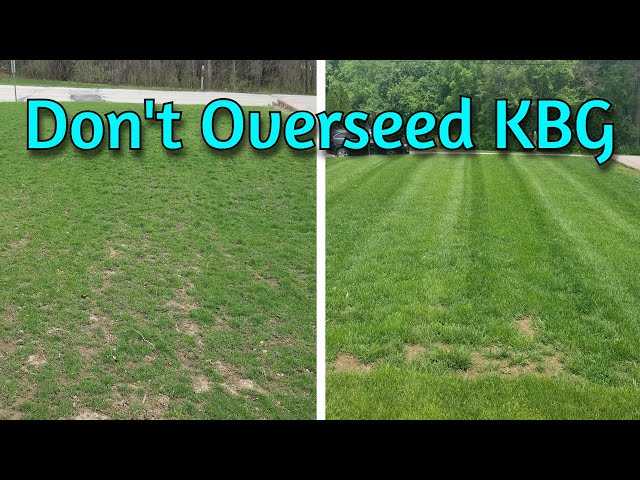
To overseed Kentucky Bluegrass effectively, start by mowing your lawn short, aerating the soil, and spreading high-quality seed evenly across the surface. Water consistently to help the new grass establish, and keep foot traffic limited until the turf is well-rooted. Overseeding rejuvenates thin or worn-out patches, resulting in a lush, vibrant lawn perfect for enjoying summer days.
If you want a thicker, healthier Kentucky Bluegrass lawn, overseeding is the way to go. The process involves preparing your existing grass, selecting the right seed, and ensuring proper watering and care to encourage strong growth. With a bit of effort and the right technique, you can transform your lawn into a dense, beautiful carpet of greenery that lasts for years.
Getting your Kentucky Bluegrass ready for overseeding is straightforward, but timing and preparation are key. Begin by mowing your lawn short to remove excess thatch and improve seed-to-soil contact. Aerate the soil to loosen compacted areas, allowing the new seed to root deeply. Choose high-quality seed compatible with your existing grass, and spread it evenly across your lawn. Water lightly but frequently after overseeding, keeping the soil moist until the new grass is established. Avoid heavy traffic on the lawn during this period to prevent damaging the young seedlings. Proper overseeding not only repairs damaged patches but also enhances the overall health and appearance of your Kentucky Bluegrass lawn, making it look lush and inviting all season long.

How to Overseed Kentucky Bluegrass: A Complete Guide
Understanding Kentucky Bluegrass and Its Growing Needs
Kentucky bluegrass is a popular choice for lawns because of its lush, green appearance and softness underfoot. It thrives best in well-drained soil with consistent moisture and moderate sunlight. To successfully overseed this grass type, it’s essential to understand its growth habits and environmental needs.
Kentucky bluegrass has an average germination time of 14 to 30 days, depending on conditions. It forms dense sods through rhizomes, which helps it recover quickly from damage. Proper knowledge about its requirements sets the foundation for an effective overseeding process.
Why Overseeding Kentucky Bluegrass Is Important
Overseeding revitalizes an existing lawn, filling in bare patches and improving overall density. It helps combat weeds by making your grass thicker and more competitive. Additionally, overseeding enhances the lawn’s ability to withstand drought and foot traffic.
Maintaining a healthy Kentucky bluegrass lawn through overseeding prolongs its beauty and health. It prevents thinning caused by disease, pests, or natural wear and tear. Regular overseeding ensures your lawn remains vibrant season after season.
Choosing the Right Time to Overseed
Timing is critical when overseeding Kentucky bluegrass. The best period is during late summer to early fall, when temperatures are mild and rainfall is more consistent. This window allows grass seeds to germinate and establish before winter.
In regions with colder climates, early fall is ideal because soil temperatures remain warm for seed germination. Spring overseeding is possible but less effective due to higher weed competition and fluctuating temperatures. Avoid overseeding during hot, dry summers or freezing winter months.
Preparing Your Lawn for Overseeding
Preparation involves several steps to ensure good seed-to-soil contact and optimal growth conditions. Start by mowing your existing grass to a height of about 1 to 1.5 inches. Removing excess thatch—dead grass layer—improves seed penetration.
Next, aerate the soil thoroughly to loosen compacted ground and improve air, water, and nutrient flow. Raking to remove debris, leaves, and dead grass also creates a clean surface for seed sowing. Properly prepared soil enhances seed germination and establishment.
Choosing the Right Kentucky Bluegrass Seed
Select high-quality, disease-resistant Kentucky bluegrass seed for best results. Look for a reputable brand that guarantees purity and germination rates above 85 percent. Mixing seed varieties can promote resilient, well-rounded turf.
Ensure the seed is suitable for your specific climate and soil type. Some seed blends contain other grass types like fine fescue or perennial ryegrass, which can provide quick cover while Kentucky bluegrass establishes. Always check label information to match your lawn conditions.
Seeding Techniques for Effective Overseeding
There are several methods to overseed Kentucky bluegrass effectively. The most common is using a broadcast spreader for even distribution across the lawn. For larger areas, a drop spreader provides precise control.
After spreading seeds, lightly rake the surface to embed them into the soil. This contact helps protect seeds from being washed away or eaten by birds. For areas with heavy traffic, use slit seeders or aerators with seeding attachments for better results.
Optimal Seeding Rates and Coverage
The ideal overseeding rate for Kentucky bluegrass is approximately 1 to 2 pounds of seed per 1,000 square feet. This ensures enough seed density for thick growth without overcrowding.
To calculate your lawn’s needs, measure the total area and multiply by the rate. For example, a 5,000-square-foot lawn requires about 5 to 10 pounds of seed. Spreading evenly prevents patchiness and promotes uniform growth.
Watering and Post-Seeding Care
Consistent moisture is vital during seed germination. Water your lawn gently and frequently—at least once a day—until seedlings emerge. Ensure the soil remains moist but not waterlogged.
Once the grass begins to grow, gradually reduce watering frequency but increase the depth of watering sessions. Keep foot traffic minimal during the first few weeks to avoid disturbing the new grass. Applying a light layer of compost or starter fertilizer can boost initial growth.
Managing Challenges During Overseeding
Common issues include weed competition, pests, and uneven germination. Controlling weeds before overseeding by applying pre-emergent herbicides prevents invasive plants from taking over seedlings.
Monitor pests like grubs or fungi that can damage new growth. Address uneven germination by spreading additional seed on patches where growth is sparse. Patience and regular lawn maintenance help overcome these challenges.
Maintaining Your Overseeded Kentucky Bluegrass Lawn
Proper lawn maintenance ensures long-term success of overseeding efforts. Mow at appropriate heights—about 2 to 3 inches—to promote healthy growth. Sharpen mower blades for clean cuts that reduce stress on grass.
Fertilize periodically with a balanced lawn fertilizer to supply necessary nutrients. Aerate annually to prevent soil compaction, especially in high-traffic areas. Dethatching or overseeding again every few years keeps your lawn thick and lush.
Additional Tips for a Thriving Kentucky Bluegrass Lawn
– Avoid heavy fertilization immediately after overseeding; wait until the grass is established.
– Apply seed during calm weather to prevent seed displacement.
– Use organic mulch or straw to protect seedlings from erosion and retain moisture.
– Always follow manufacturer instructions for seed and fertilizer applications.
Related Topics to Consider
- Soil Testing and Amendment for Kentucky Bluegrass
- Proper Lawn Drainage to Prevent Disease
- Top Tips for Lawn Irrigation and Water Management
- Common Lawn Diseases Affecting Kentucky Bluegrass
- How to Control Weeds and Pests Effectively
By following these detailed steps and tips, you can overseed Kentucky bluegrass successfully, creating a thick, healthy, and beautiful lawn. Proper preparation, timing, and care are key to rejuvenating your grass and maintaining its lush appearance for years to come.
How to Overseed Kentucky Bluegrass // or Cool Season Lawn
Frequently Asked Questions
What is the best time of year to overseed Kentucky bluegrass?
The ideal time to overseed Kentucky bluegrass is during early fall or late spring when temperatures are moderate, and the soil is warm enough to promote germination. Fall overseeding allows the grass to establish roots before winter, while spring overseeding helps repair damaged areas and promotes healthy growth throughout the growing season. Avoid overseeding during the peak of summer or winter, as extreme temperatures can hinder seed germination and establishment.
How should I prepare my lawn before overseeding?
Start by mowing your existing grass to about 1 to 1.5 inches to reduce competition for seeds. Rake the lawn thoroughly to remove debris, dead grass, and thatch layers that could impede seed contact with soil. Aerate the soil if it feels compacted, as this improves seed-to-soil contact and encourages healthy root development. Finally, loosen the soil surface lightly with a rake or a dethatching rake to create a good seed bed.
What seed-to-soil contact techniques work best for overseeding?
Achieve optimal seed-to-soil contact by raking the area after spreading the seed lightly. You can also use a lawn roller to press the seeds into the soil, ensuring they settle into the surface. Over seeding into moist soil enhances germination rates, so water the area lightly after overseeding to keep the soil consistently moist. Proper seed contact and moisture are critical for successful germination and establishment.
How often should I water after overseeding Kentucky bluegrass?
Water the overseeded area gently and frequently to keep the top inch of soil consistently moist. During the first two weeks, aim for watering two to three times daily, especially if the weather is warm and dry. As the grass begins to germinate and grow, gradually reduce watering frequency while increasing the depth of each session. Maintain a regular watering schedule to help the new seedlings develop strong roots and establish successfully.
When can I mow my lawn after overseeding Kentucky bluegrass?
You should wait until the new grass reaches about 3 inches in height before mowing. At that point, cut the grass to a height of around 2 to 2.5 inches, being careful not to remove more than one-third of the grass blade at a time. Regular mowing encourages healthy growth, but avoid mowing too early to give the new seedlings time to establish a strong root system.
Final Thoughts
To overseed Kentucky bluegrass successfully, start by mowing your lawn short and aerating the soil. Choose high-quality seed that matches your existing grass for seamless growth. Spread the seed evenly using a broadcast spreader.
Keep the soil consistently moist to promote germination. Avoid heavy traffic until the new grass establishes. With proper care, overseeding Kentucky bluegrass revitalizes your lawn efficiently.